
A Shropshire web tech expert is giving up his time to make sure businesses impacted by the coronavirus pandemic get the digital support they need to recover.

We are excited to announce the ten startups selected to join the ABN AMRO & Techstars Future of Finance Accelerator, virtually in these pandemic times, in Amsterdam. Amsterdam is the birthplace of many financial innovations over centuries past that continue to influence the world of finance today.

Innovative travel technology company, TapTrip has partnered with industry leading, TravelPerk to integrate TravelSafe API, a new product designed for the wider travel ecosystem to help boost fluid business travel through traveller confidence and safety.

Founders must spin endless plates and wear lots of hats when firing up their entrepreneurial engines, whether that’s managing marketing and recruitment, or tackling development and accounting.

COVID has caused disruption in the business and education sector like nothing before. With the unpredictability of exam cancellations, the jobs market simultaneously seizing up and becoming flooded with job-seekers, and with some sectors unrecognisable to what they were this time last year, many young people are considering the option of ‘going it alone’ when it comes to taking their first steps in to the workplace.

Amazon announces the launch of the Amazon Launchpad Innovation Awards, a free competition designed to support emerging, innovative European startups by giving them chance to win a ‘Startup of the year’ prize of €100,000.

The UK is widely regarded as one of the greatest places to start an innovative tech company. This shouldn’t come as any surprise given the world-class academia we have to offer, the legacy of innovation and, importantly, the funding opportunities available to entrepreneurs.

The ATI Boeing Accelerator is a three month programme for world-class startups building industry 4.0 and sustainability enabling technologies, with the potential to bolster the growth and competitiveness of the UK aerospace industry.

The ranks of the self-employed have swelled over the past two decades, rising from 3.4 million (12.9% of the workforce) in 1998 to 4.8 million (15.1%) in 2017. Yet over the same period, the proportion of self-employed workers paying into a private pension has fallen from 48% to just 16%, according to the Institute for Fiscal Studies.

As a content writer, my job is to tell stories. I use the power of narrative to sell via digital storytelling. Digital storytelling uses long-held storytelling techniques in combination with digital tools such as blogs, podcasts, videos, and social media.

Like Minded Females (LMF) Network joined efforts with online business school Jolt and technology venture firm, Balderton Capital to grant five Future Leaders scholarships to rising female tech talent from LMF’s community. The full bursaries will allow them to attend Jolt’s Switch course, a programme designed to create pathways for those who want to begin a career in tech.

Beautystack Founder and CEO, Sharmadean Reid has launched her latest venture, a new media platform called The Stack World that will bring together content, community and commerce and put intelligence at the core of the women’s media landscape.

We have a sense that more companies are starting this year investing energy in considering their brand purpose, their brand’s reason for being, beyond making money. It is incredibly rare, in fact I couldn’t tell you the last time, someone came to us to launch a business they created solely as a money-making endeavour. Startups are born out of a desire to fix a problem and make a change. That is their brand purpose.

The next Mayor of London’s TechInvest, taking place 27th April, will celebrate 10 of London’s pioneering HealthTech startups. This upcoming TechInvest instalment will seek to identify industry leaders that are converging technologies with medicine and healthcare to improve the efficiency and delivery of prediction, prevention, diagnosis, treatment and care.

Google Analytics 4 (GA4) is just the latest version of Google Analytics and is now the default version for all new properties. Because it’s the fourth version, it’s called GA4.

The business world has, for some time now, appreciated the importance of collecting data. Organisations across a range of industries understand how analysing that data can unlock a wealth of insight and intelligence that can help them move forward.

Outsourcing as a business practice is extremely common. Yet you wouldn’t think this was the case given the negative light in which it is often painted.

LawtechUK, the government-backed initiative within Tech Nation, to help transform the UK legal sector through technology, today brings to a close the Pilot stage of the first Lawtech Sandbox – a research and development initiative for lawtech scaleups – following a successful three month trial period.
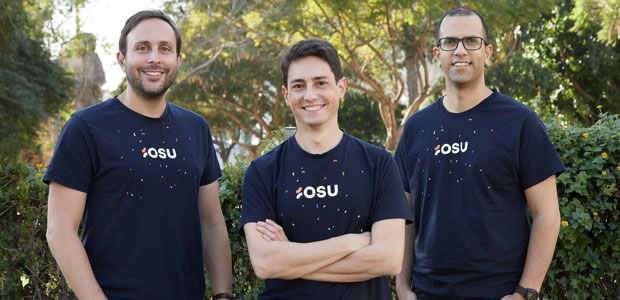
Osu, the payment app for the UK’s self-employed, has announced the close of a £2.25m seed round, led by early-stage experts Creandum, to fund further growth to reach 10,000 customers this year.

Multiview Media allows you to increase revenue, reach and reaction. Converting iconic historic content or streaming live events in an immersive way, we caught up with Ray Meadham CEO of Multiview Media.