Before entering into a potential brand licensing agreement as either a licensor or licensee, it is crucial to have a clear idea of your positioning and future aims for any licensing negotiations. This will help you to achieve a successful licence agreement for you and your business.

It is true that many people do not like change and shy away from it. But it is equally true that periods of change bring much more opportunity for innovation and for businesses to adapt and pivot and supply products and services to fulfil needs that have opened up or changed in some way. In times of rapid change as we have seen over the last few years then the opportunities are both bigger and more abundant.

With COVID-19 rapidly altering the nature of the workplace to one that’s more digital and flexible, the debate about the future – and the purpose – of the office continues. As society adapts to post-pandemic life, businesses need to figure out how to accommodate their employees’ desire for flexibility while navigating all the difficulties that come with the lack of regular in-person contact with their team. Hybrid working appears to be the solution, but comes with its own challenges.

Debt collection startup, troy, has won Transaction Capital as an investor and strategic partner in a funding round in which existing investors convert their loans and increase their commitment with additional funds.

Startups and corporates are often depicted as advisories. The challenger and the incumbent; the plucky upstart and the behemoth. But, in truth, there are an increasing number of partnerships forming between these two groups, particularly when it comes to the development of new technologies.

Deadlock (a lack of unanimity between co-directors/co-shareholders) is a situation to be avoided by all SMEs. Unfortunately, it is all too common, particularly in private, owner-controlled businesses and during times of economic crisis such as has been precipitated by the COVID-19 pandemic.

Do you ever find yourself alarmed by the stark contrast in ecological attitudes between friends, family and colleagues? For many, net zero targets are a top priority. Others’ mindsets vary, with some making small adjustments to their way of life, and some refusing any personal responsibility.

Think global build local: Cedar’s Chemicals & Nutri 3 won $20,000
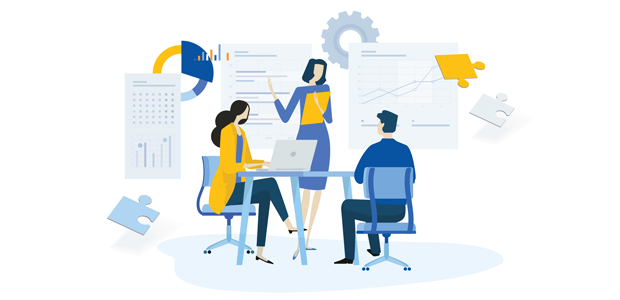
As any startup founder knows, there’s an ongoing battle that you wage with yourself to do with staffing. More specifically, whether and when to staff up – or to keep trying to spin all the plates yourself. When you’ve grown a business from the ground up, it’s hard to pass responsibility to other people. In fact, I’d liken it to a kind of bittersweet grief; I’m happy things are going so well but it is hard to take a step back and hand the reins over to someone else.

Ask any established business leader for the secrets of their company’s success, and it is almost certain that having inspirational role models – be they other entrepreneurs or businesses – would have played a key role in their growth.

In November 2021, 28% of businesses were reporting a decrease in turnover compared with normal expectations for this time of year as the negative impacts of COVID-19 on trade remain. However, as another festive period is upon us, Christmas shopping presents an unrivalled opportunity for shoppers to support their local independent businesses.

The proportion of new-build homes in the UK that are developed by small housebuilders has been shrinking for over three decades. In 1988, SME developers were responsible for 40% of newly built homes, but by 2019 that number had shrunk to just 12%.
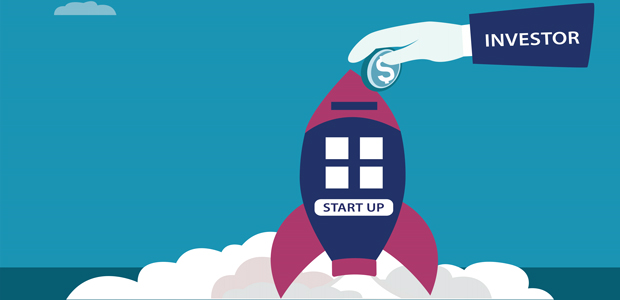
Launching a startup is one of the most challenging steps you’re going to take in your professional life. But it will be worth it if you play your cards right. Without a doubt, the COVID-19 pandemic has had a major impact on the way SMBs operate, but as a startup you need to consider many other challenges that lie between you and long-term success.

We all have a personal favourite when it comes to a pet, some are dog people while others love cats.
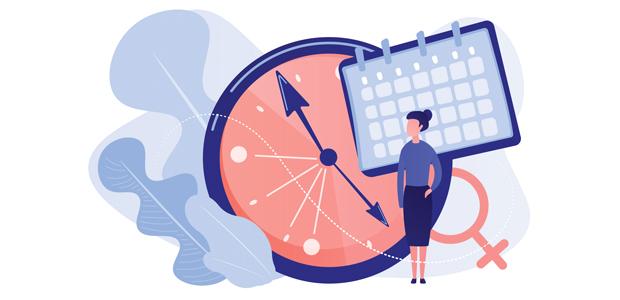
Sufferers of chronic illness or those with disabilities are afforded a fair level of protection in the workplace under UK employment law. But can the same be said about women going through the menopause, a proportion of whom will endure a number of debilitating and severe symptoms?

With extraordinary women from across different parts of the country, a variety of backgrounds and industries, the 19th annual NatWest everywoman Awards brought these entrepreneurs together having one thing in common – being some of the UK’s most inspiring females, recognising their outstanding achievements during one of the most challenging periods for businesses in living memory.

Startups Magazine caught up with Tarryn Gorre, Co-Founder and CEO of Kafoodle.

The UK is a key driver in the rapid growth of the global healthcare industry.

In the new digital economy, the rapid growth of cloud software is hardly surprising. In the aftershock of the pandemic, as hybrid working practices remain as prevalent as ever, companies face a critical need to enable staff to access data safely, without necessarily needing to return to the office. Elsewhere, organisations will be looking to cut costs, and store information safely with additional flexibility.

lool III will double down on value creation with former Skype Business Development Head Tony Saigh’s promotion to Partner