
Tech Nation has today opened applications for its seven prestigious growth stage and sector programmes: Upscale, Future Fifty, Libra, Applied AI, Fintech, Net Zero and, for the first time ever, Net Zero X.

Only a handful of people are naturally talented at public speaking, and even fewer genuinely love it. As a result, most people regard the practice of preparing and giving speeches as difficult, uncomfortable, or even boring. Regardless, some level of public speaking is required in several lines of work. You may be instructed to deliver a speech in a private meeting, provide a status report for the whole organisation, or speak at a summit or some other event. Whatever it may be, or however intimidating it may seem, there are measures that can be taken to make preparations and develop your skills.
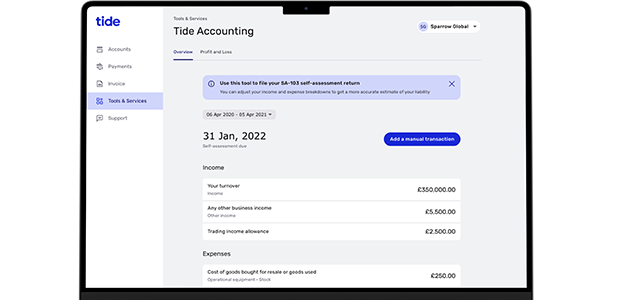
Tide, a business financial platform and Sage, an accounting, financial, HR and payroll technology specialist for SMEs have announced the launch of a complete end-to-end accounting and tax solution for small businesses.

Leiho has created smiley socks for a good cause. For homeless people, something as simple as putting on a clean pair of socks, underwear, eating a hot meal or drinking clean water can make a huge difference to your day. Leiho has created socks, and with every eco-conscious product you buy, you are helping the business support people in need by giving them essentials that improve their lives. We caught up with the two Founders Joey and Thuta to find out about their journey.

While growth optimism remains high among UK SMEs, a significant number of businesses are unaware of the steps required to support this growth, according to new research by independent asset manager, BOOST&Co.
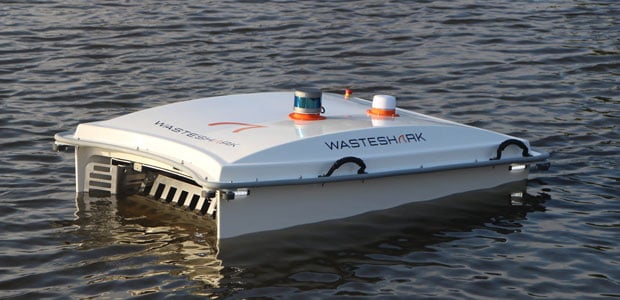
MAHI and RanMarine Technology announce the signing of a partnership agreement to collaborate on technology innovations for ocean-based Bluetech drones.

Carbon offsetting is a fairly fresh market, which is yet to implement a solid regulatory framework. As a result, practices are being scrutinized, while irregularities are criticized. Despite more companies joining this market with the goal of bringing innovation and transparency, many still question the market’s credibility, which has spurred a number of misconceptions.

Creating a highly engaged workforce and a thriving workplace continues to be a major focus for all HR managers. And the reason is simple. Every business needs what employee engagement creates: happier and more productive employees.

Cross-border commerce has created a new digital age of endless possibility. Brands and companies can expand into untapped markets, as well as grow their visibility with potential new consumers who aren’t dependent on localised commerce.

With the rapid advancements in artificial intelligence technology, how are AI-generated inventions recognised when it comes to patents?

HMRC figures show London-based companies once again securing a major share of R&D (research and development) tax relief with over £2.3bn paid out in 2019-20. Other strong performing areas include the West Midlands, Cambridgeshire, Oxfordshire, and Surrey where businesses collectively secured almost £1.3bn in tax relief for innovation-focused investment.
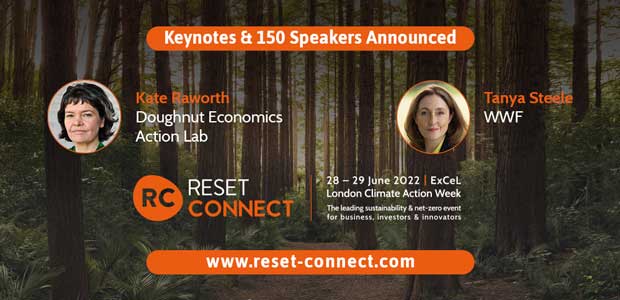
Over 3,000 business leaders, innovators and investors are set to unite in the fight against climate change at the UK’s largest sustainability ecosystem and green investment event, Reset Connect London.
Whether this is your first business, a new enterprise, or a brand within your existing company, choosing the right name is a vital part of its success. There are many factors to consider and, as IP and business name experts, we’ll take you through the process to ensure you’re off to the best start.

Back in 2018, one fifth (21%) of companies believed they had completed their digital transformation (DX) experience, according to Forrester research. Fast forward three years, we can say with some degree of certainty that what businesses thought was full digital transformation, was just the tip of the iceberg.

Dr Jeffery Timmons of Babson College in Massachusetts developed the Timmons Model of Entrepreneurship during his PhD thesis at Harvard University. This model has now become a well-known guide for entrepreneurs on how to increase their chances of success. Basically, he states that the success of a startup business hinges on the entrepreneur, the (market) opportunity and the resources.

It’s been 18 years since Body Rocket Founder Eric DeGolier first came up with the idea for a tool to help competitive cyclists accurately measure their aerodynamic drag. Eric had teamed up with three-time Paralympian Matt King (who went on to join Facebook as their first blind engineer) to qualify for, and compete in, the 2004 Paralympic Games.

A successful team will be the foundation of any efficient and thriving business, no matter what industry the company is in. Even in high pressure industries, having a good team will make a big difference and will dictate how the company progresses and performs.

No matter how promising your startup idea is and how airtight your financials are, it’s simply a fact that you will not succeed without the right people on your team. Hiring talent is crucial for startup success and should be your top priority as a founder.

Wellbees, the new generation employee wellbeing platform that is used by more than 100,000 employees in over 40 companies in 17 countries and recently launched into the UK, has now received $2.2m seed investment. The investment has been led by 212, which is headquartered in Luxembourg and invests in growth-stage tech companies across CEE and MENA.

While hearing the term ‘icebreaker’ may make many employees want to run for the hills, team building is an important activity for startups to utilise.