Features

Last year was an incredibly challenging one for entrepreneurs and small business owners. According to a survey from Alignable, 45% of small businesses reported earning less than half of their pre-pandemic revenue. Statistics like these can scare you away from starting a company in 2021, but they shouldn’t.
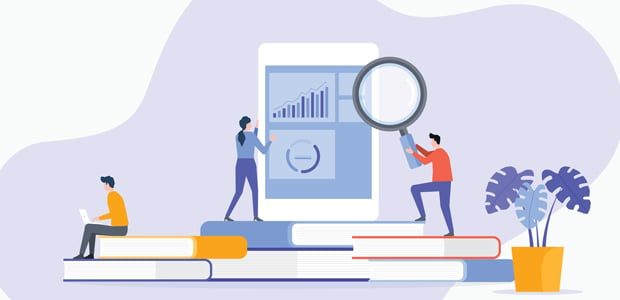
There’s one tool that’s underused to address the gender diversity gap in startups – education.

The world is undergoing huge changes at the moment. Between coronavirus pushing the economy to the limit and a group of Redditors challenging the financial market hegemony, people are questioning the role of established institutions. If finance doesn’t work to enable the economy, businesses or individuals, then who is it for?
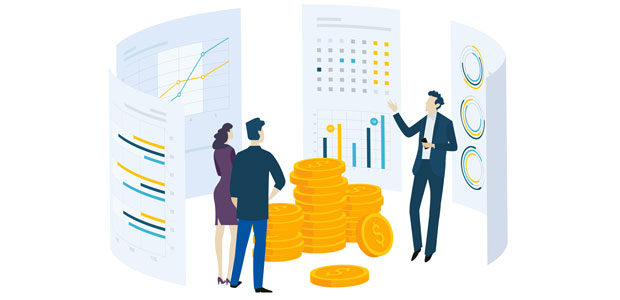
Businesses in a wide range of industries rely on stock procurement to thrive, and issues with supply lines will always have a hugely detrimental impact on profits. Ultimately, companies cannot consistently sell their own goods if they’re struggling to procure the products and materials needed to manufacture them.

At the moment, co-working is in jeopardy, and it may be time for the industry to change once again.
Website design accounts for up to 95% of a user’s first impression of your company. A good design can keep visitors on your site, which goes a long way in converting leads into purchases. For this reason, it’s increasingly important to make great website designs part of your marketing strategy. Here are eight of the best website designs to inspire you in 2021.
The past twelve months have been especially hard for the UK’s many businesses. After several years of negotiations, the UK finally departed from the EU with a deal that had been finalised merely eight days before the formal withdrawal.

Small to medium enterprises (SMEs) are essential to the UK economy. The government has noted that they contribute to 99.9% of all private sector business in the country with a turnover of £2 trillion.
Last year, the Government introduced a new grant via the Kickstart Scheme to support the creation of new jobs placements at businesses across the UK. Unfortunately, the rules of the scheme meant that businesses needed to create a minimum of 30 job placements to apply directly for a grant.

As a social impact entrepreneur and investor, I like to think I know a business opportunity when I see one. The 2030 ban on sales of new petrol and diesel cars provides us with a massive opportunity. Entrepreneurs and investors should be incredibly excited about this new technology and the potential to innovate. As far as I’m concerned, Electric Vehicles (EVs) are the new smartphones.
In today’s fast-paced, technological environment, people are constantly retaining information through the internet and social media. There are many opportunities for individuals to access expert advice from all sorts of industries through the likes of online interviews, podcasts and Twitter feeds. Still, does this mean that all the advice that we have access to is useful?

Why do startups fail, and what can founders do to prevent it? Many entrepreneurs and investors opine on this question, but few offer data-driven answers. Our goal is to identify and share clear learnings on this, and the timing could not be more critical.
Social media will always be an integral part of your small business’ digital marketing strategy, whether you’re using it to alert fans and followers about new offerings, industry news, or showing how things work behind the scenes in your company

Launching a new startup is always a huge risk, but with effective user research and testing, product leaders can gain valuable insights from end users to reduce risk from the outset and build a culture of learning from their customers. We recently held a virtual event titled ‘From Idea to Launch: How startups succeed with UserTesting’ and we were joined by product and startup experts, including Arielle Kilroy and Justin Berkovi, to get their top tips for ensuring success.

In this article, Andrew White, Partner and UK & European patent attorney at intellectual property firm, Mathys & Squire discusses how building a strong Intellectual Property (IP) portfolio puts you in a better position to secure business investment when you need it and why linking your IP strategy to your business goals – including investment plans – is crucial for making it all come together effortlessly.
Online learning has become the new normal since last March, and since the most recent lockdown was announced, searches for how to learn new skills online have increased by 218%, suggesting more people want to utilise their spare time at home to learn.
Some unique ideas sound awkward but have continued to thrive in today’s world because they are rendering services that other traditional businesses are not. Below are some of the top unusual businesses that you can choose to explore:
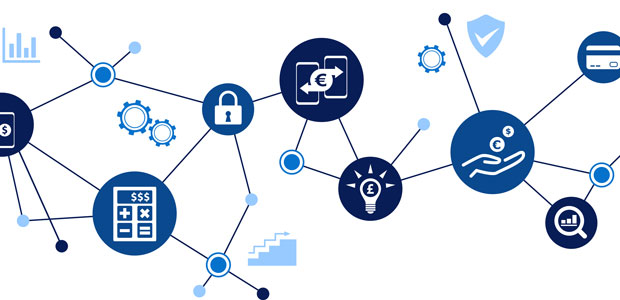
It’s still common that businesses use manual and time-consuming processes as a force of habit. If you have never been exposed to the benefits of technology, then how would you know any different?

Side hustles continue to gain popularity. Whether it’s for a personal challenge or you want another source of income, starting a side project makes a lot of sense. After all, we’ve witnessed so many side projects evolve into million-dollar companies in the 2010s.

Being an entrepreneur is about more than just starting a business. Setting up business in an existing market has been done many times before. It comes with its own risks and challenges, but you’ll be able to find some good advice and guidance to steer you down the right path.