Brand
A new analysis of 334 UK startups that secured seed or pre-seed funding in 2025 has revealed a striking lack of PR readiness, with just 13% of funded startups having a dedicated press or news section on their website.

If you’re an entrepreneur or startup founder, your website is often one of the first places your business either builds trust, or loses it!

In B2B marketing, email is still one of the most powerful channels we have, yet it’s also one of the easiest to get wrong. And when it goes wrong, it can actively damage your brand, unsettle prospects, and push valuable leads further away.

If you’re looking to connect with people who matter most to your business, LinkedIn is the place to be. With over 1.2 billion members globally and 1.8 million feed updates viewed every minute, it’s not solely a social platform. It’s where business happens. For marketers, paid LinkedIn ads offer something other platforms can’t. Access to high-value, professional audiences with targeting based on the likes of job title, industry, seniority, and even company size.

Marketing success has traditionally favoured big budgets and large teams. With the right strategy, small and midsize businesses can now build powerful, data-driven marketing engines that grow with them, using AI effectively to operate at scale. Valuable marketing starts with thinking, not tools. In this piece, Stephen Rumbelow, fractional CMO at The Marketing Centre, explores what this looks like in reality.

Many founders overestimate launch day. They spend months on building, testing, polishing – and expect that when they finally hit publish, people will notice it straight away. But they usually don’t – not because the product is bad, it’s because no one has a reason to care yet.

My professional journey started within the depths of corporate marketing with established brands. In those early years, I managed campaigns backed by generous budgets and renowned brand reputations. While it was thrilling at first, it eventually became a little predictable. Then I started working with startups – and everything shifted.

In today’s digital landscape, British consumers are increasingly stepping back from constant connectivity, driven by content oversaturation, “attention fatigue” and a desire for more mindful experiences. World Mental Health Day offers a timely opportunity for individuals and brands to reflect the ways technology shapes our emotional health – and how more intentional visual storytelling can help spark meaningful conversations around it.
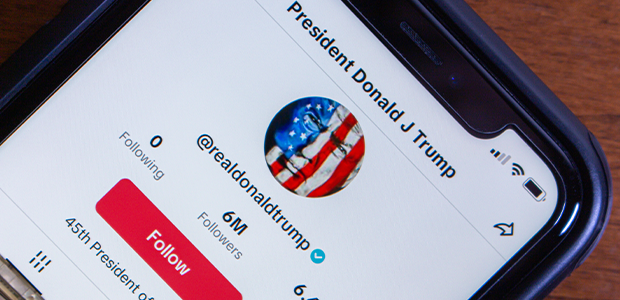
Are “Trumpisms” a masterclass in branding or a perfect demonstration of how not to communicate in business? What can startups take away from the US President’s playbook?

Press releases are basically bread and butter for PR, one of the most important aspects used to communicate with the media and public, in order to build lasting relationships, solidify brand identity and shape the reputation of a brand. I’m Stepan Burov, a PR professional with 10 years of expertise, co-founder of 8bitPR agency, and I will share the most exciting new insights and strategies of making effective press releases.

When our CMOs work within startups, one of the most common things we hear is: “We need to set a marketing budget, but don’t know where to start.” Too often, the budget becomes a rear-view mirror exercise (what was spent last year) or a guessing game (what feels affordable). Done properly, though, your marketing budget isn’t just an overhead, it’s a powerful, strategic driver for growth.

Most founders I meet believe PR is only possible when you have “real news”: a funding round, a product launch, a partnership, an acquisition. The problem? These moments don’t happen every month. In fact, for most startups, they’re rare.
Advertising is getting more and more invisible with 86% of internet users ignoring display ads because of “banner blindness”. People see between 1,700 and 2,000 online banners every month, but most of them go unnoticed. On top of that, 63% of millennials actively use ad blockers. No wonder so many ads can not break through: 54% of users never click on banners at all.
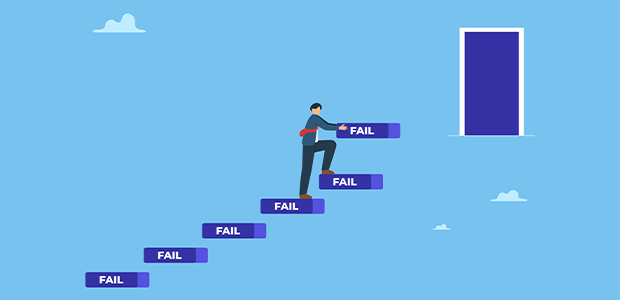
Launching a startup in the UK has never been more attractive. In 2024, founders raised over $17 billion, making the UK Europe’s leading hub for early-stage ventures and home to 30+ unicorns. But behind the buzz lies a stark reality: up to 90% of startups can fail – and for many, the first 90 days can determine the trajectory.

For e-commerce businesses, the last quarter (Q4) is often the busiest and most lucrative time of the year with Prime Day, Halloween, Black Friday, Cyber Monday, and end-of-year sales.

Earned media relations, synonymous with ‘traditional PR’, has often been the afterthought in a sales and marketing plan. Considered the nice-to-have, not need-to-have, it often finds itself towards the bottom of marketer’s hierarchy of needs.

AI has plunged us into the “post-click” era. Almost overnight SEO feels outdated, and people are flocking to Large Language Models (LLMs) for answers they once would have used a search engine to find. Who stands to benefit? PR.

iStock, an e-commerce platform providing premium content to SMBs, SMEs, creatives, and students everywhere, reveals how SMBs can incorporate visual content in SEO to stay competitive in today’s AI driven landscape.
The digital landscape has a new controller. AI is the driving force behind everything from smart chatbots to real-time campaign tweaks. Social posts, personalised content, and platform-ready ads are created and shared across multiple channels in seconds.
Marketers may never feel they’ve fully cracked search, but just as strategies were starting to settle, along comes AI to quietly disrupt search completely. A drop in brand website search traffic later and we’re no longer experimenting with AI search – we’re right in the thick of a transition period.