Brand

Every Q4, Christmas gift guides fill magazines, newspapers, and online publications. And every year, thousands of startups are caught off guard, trying too late to get their products featured.

When startups map out their growth strategy, influencer marketing is often the first port of call. It’s seen as the shiny, must-do tactic that promises rapid brand awareness, new customer discovery, and double-digit growth.
In recent years, the integration of artificial intelligence (AI) tools has become increasingly essential to UK workplaces. Data from the latest Freshworks AI Workplace report reveals stark contrasts in how UK professionals across different sectors are embracing – or resisting – the integration of AI into their daily work.

More of us than ever before are thinking about starting a business in the next 12 months, according to research from small business support platform and membership community Enterprise Nation.

Why is the human side of branding something startups can’t afford to ignore? When we talk about branding, most minds jump straight to logos, taglines, and colour palettes. But for startups, whether B2B/B2C or, as I like to call it, H2H (human to human), the most powerful branding doesn’t live in visual identity or marketing campaigns. It lives in what we can’t see: emotions, trust, and human connection.

Elevating a business from startup to scaleup is something research widely suggests will only be achieved by around one in 200. That means, of the 900,000 companies which launched in 2023, only 4,500 will reach that next level of success.
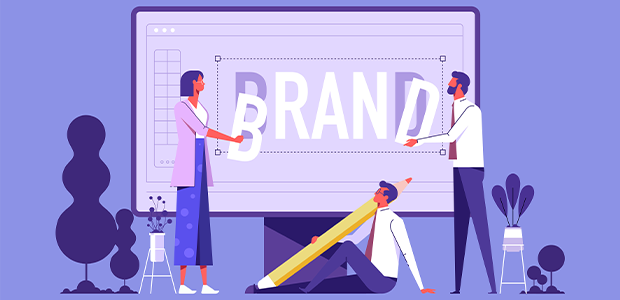
In the world of business, your brand is more than just a logo, a colour palette, or a catchy slogan. It’s the sum of how people perceive your business, the value they associate with it, and the emotional connection they feel toward it. This collective perception is what we call brand equity and it’s one of your most valuable business assets.

Branding isn’t just a marketing gimmick. It impacts all aspects of your business from retaining employees to your pricing, and to the sustainable growth of the business.

After over two decades in the industry, we know that eCommerce brands have the power to manage their own PR strategies successfully, without the need for an agency.

As a Communications and PR expert with over two decades of experience across the public, private, and third sectors, I’ve learned that great communication isn’t just a business asset – it’s a wellbeing essential.

Startups move fast. There’s product to build, funding to raise, customers to win over. With so much going on, branding often gets pushed down the to-do list. It’s seen as something to worry about later, once the MVP is out, the investors are in, or the team’s a bit bigger. But here’s the thing: if you leave branding until later, you’ll end up playing catch-up.
In an endlessly hyper-digital world of scrolling, where thumbs move faster than minds and attention spans last only as long as a heartbeat, standing out has become both a science and an art.

While you have a million things on your agenda as you begin a startup, there is one thing that can never be an afterthought: guarding your brand with a good trademark strategy. A mistake here can cost you more than money and time – it can cost you your brand identity.

Launching a startup? Congratulations, I’m so excited for you! Now, buckle up because this journey is likely to be fast, unpredictable and like nothing you’ve ever known.

Storyblok announced research that reveals that UK companies are losing an increasingly large sum of money each year due to poor website experience despite spending a substantial amount on marketing technology.
As we are in 2025, one thing is becoming crystal clear: businesses can no longer ignore SEO. The digital space is more crowded than ever and standing out has never been more challenging or more crucial.

Imagine a scene where a working professional spends weeks preparing tasks and projects for a tech leadership community. Hours are focused on designing the valuable information and the result is a wild success.

YouTube has revolutionised video streaming for two decades. Not only has it adapted to the rise of TikTok and Instagram via YouTube Shorts, but recent studies show that Gen Z users are still more likely to use YouTube than TikTok.
In the world of startups, grabbing media attention is both essential and frustrating. Founders often tell me, “We need PR, but we don’t have any news!” The truth is, that early-stage startups rarely have major announcements like funding rounds or acquisitions. So how do you make headlines when there’s nothing obviously “newsworthy” happening?

Startups can’t afford to waste time and money on events that don’t deliver real business results. In today’s competitive landscape, every event must drive outcomes that fuel growth.