
Planning an impactful event can feel like a make-or-break moment for your startup. You know…
For a new business, fraud is a severe and immediate danger. The relentless pursuit of…

In startup environments where priorities shift quickly and uncertainty is part of daily operations, communication…

In the early stages of building your startup, every resource counts. You aim to grow…

Startups have a lot of ground to cover, with funding, hiring, growth, product development, and…

Customer churn hits startups harder than established companies. When your client base is already small,…

Startup founders must prepare for every financial eventuality when planning a successful business year. Explore the essential expenses every business must account for when starting. Being aware of these expenses will help you level with your industry competitors in 2026.

As a founder or product lead, you may have noticed how crowded the obvious markets are, leaving you with massive market opportunities that large corporations often overlook. Changing demographics, cultural shifts, and greater public awareness have created unmet needs that agile startups can service in various ways.

How you introduce your product to the market can shape your startup’s growth trajectory. Freemium and free trial models are two of the most popular approaches allowing businesses to attract users and encourage full adoption.

Consumer trust is essential for startups looking to achieve successful online sales. However, new companies lack established businesses’ brand awareness and proven track record. A website is often a customer’s first impression of a business, so it had better provide all the essential information they must know about an unfamiliar brand.
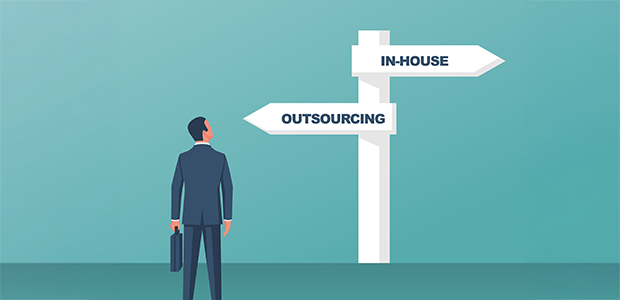
Marketing is one of the most critical drivers of success for your startup. It builds your brand, attracts customers, and keeps your growth engine running. When it comes to execution, you’ll face an important choice – should you create an in-house marketing team or outsource the work?

Few technologies have received as much attention from businesses as artificial intelligence (AI). The fanfare surrounding AI is hard to ignore, but startup founders must look past the hype and get the full picture before investing in any AI solution. Before you invest, you should recognise five crucial facts about AI.

A startup is an exciting business venture for any enthusiastic entrepreneur. However, your company’s success hinges on an innovative and resilient team to propel it to new heights. Of course, hiring your first employees is difficult when you are just beginning. Here are ways to recruit your first top candidates for your emerging enterprise.
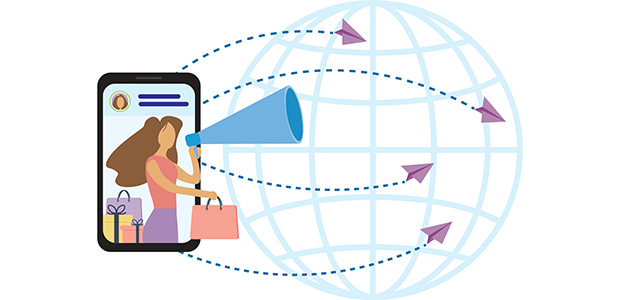
Starting a new business and growing it from the ground up is an exciting time in an entrepreneur’s life. If you’re considering global expansion, the idea of more customers and more profit can spur you to jump into the waters. Before you launch that boat, however, consider the measures you must take to sell your startup’s products internationally.
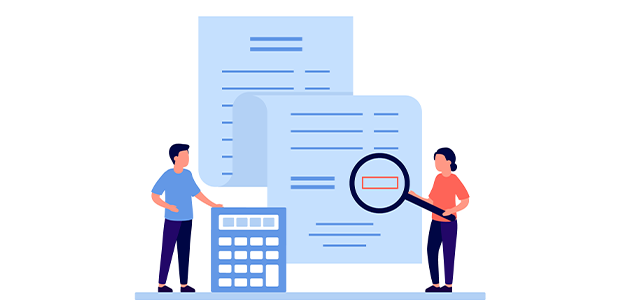
Pricing your startup’s products correctly can make or break your business. Overpricing can scare off buyers, whereas underpricing may lead to financial challenges and hinder long-term profitability. Choosing the right pricing strategy requires a mix of market research, financial analysis and strategic decision-making.

It’s easy to get lost in the excitement of finally launching your dream business. However, policies must be laid out formally to ensure its success and protect its future.

Leadership is the dynamic force that drives a company’s culture and its success. However, what works for one business doesn’t always work for another, especially when comparing the fast-paced, unpredictable world of startups with more structured, established organisations.
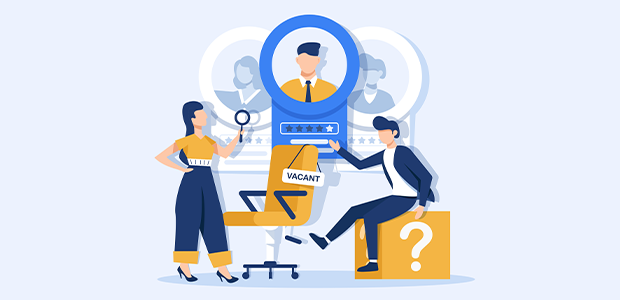
No one ever said launching a startup was easy. As such, founders want to employ the best professionals to spearhead various functions as companies get their footing. However, some roles are more essential than others. These are 10 positions they should hire for first.

A common question that founders ask themselves is when their new company will start to make money. The answer is rarely straightforward, and every startup faces unique challenges based on its industry, market conditions and growth strategy. However, understanding the key stages of its life cycle can provide valuable insights and set realistic expectations for business success.

For decades, business startups were classified as for-profit companies and charities as nonprofit. However, in recent years, some startups are turning to the nonprofit sector to meet the needs of their stakeholders better. Which you choose depends on your goals for the brand and how you intend to raise capital. The structure you settle on can shape operations for years to come.