Brand

The biggest marketing trend that we’ve seen throughout 2020 is the drive to build a strong personal brand. Customers are becoming savvy to the ethics and ethos of the businesses that they are buying from. They are being more discerning in their choices driven by the desire to do good and to avoid untrustworthy brands during an unpredictable time.
As a startup, you’ve got loads of goals, problems and opportunities to think about, but make sure you carve out some time for some PR activity that will help raise your profile and grow your business.

In the fifth part of business mix’s series of articles, they harnesses our Associate and Partner network and focusses on learning from those that have walked this path before and getting inside the mindset of the successful challengers. This time White Bear Studio is in the spotlight.
A new survey by the Data & Marketing Association (DMA) has found that brands have become more compassionate in 2020. The majority of senior marketers (74%) surveyed said their brands or clients have shown more compassion and thoughtfulness amid the pandemic – this included 14% who said this increased, with just 6% reported this happening less.

In Part One of our Crisis Series, we looked at how brand purpose can be a powerful tool when navigating a crisis. Now in Part Two, we are taking a look at how brands reacted during the onset of the COVID crisis and how these lessons can be applied to building a resilient brand no matter the crisis. We’ll look closer at how to best react using brand personality and values.

One of the rules of a startup is that there’s always more to do than there are people to do it! Even when you are hiring, you have to remain lean and startups are usually moving from one round of funding to another. That means you cannot always deliver what you want, and usually, marketing is at the bottom of the list.
The growing number of channels in which to advertise your business online can be a tempting route to target your ideal audience. Businesses have flocked to digital media to gain traction for their brand, but they’ve dismissed an incredibly valuable and highly successful form of marketing – direct mail.
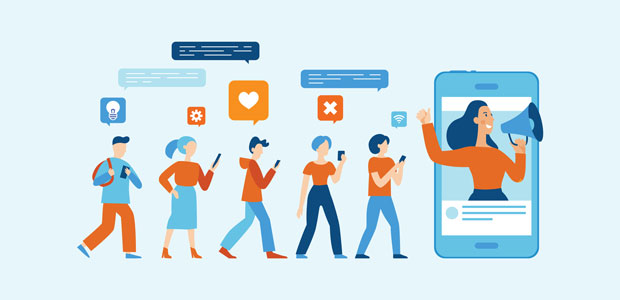
We’ve all heard of the importance and growing demand for authentic branded content over the years, but what does it actually mean and how can you set to achieve this within your business?

Business videos attract customers through eight marketing channels at once. EIGHT! And all eight can be used simultaneously! We conducted a survey and found that on average customers use no more than two of them. Don’t do that. Since you paid for a cool video, make the most of it!
One of the major issues with most business websites is that they’re largely lifeless in more ways than one. Not only do they come off as feeling cold and calculated, but they’re updated infrequently – thus leaving a lot of people wondering why they should be paying attention to you at all.

With the sudden shock and panic now over from the COVID crisis, we are now settling into the ‘new normal’ of on-and-off-again lockdowns and formulating new habits for our businesses, all the while, bracing ourselves for the next crisis; the quietly creeping recession and wondering how our brand can survive.
Grabbing attention wherever possible is vital as a startup, particularly when it comes to your online marketing efforts, so it’s no surprise that you’re thinking about PPC — or pay-per-click — advertising. Unlike SEO, which takes time to produce results, PPC helps to create instant brand awareness and, when done well, generates all-important clicks. This can be an especially valuable part of your marketing strategy but not an easy one to pull off, and if you don’t put the work in, disappointing campaigns can be incredibly costly.

COVID-19 has made history by affecting each industry in the world. From the lockdown that caused the closure of businesses to people adapting to work from home, there is a need to identify strategies of how businesses will be run going forward. The pandemic has disrupted how people socialise as well as their shopping patterns. To adapt to this new normal, business owners have to make significant adjustments to reach out to their customers or less they risk failure.
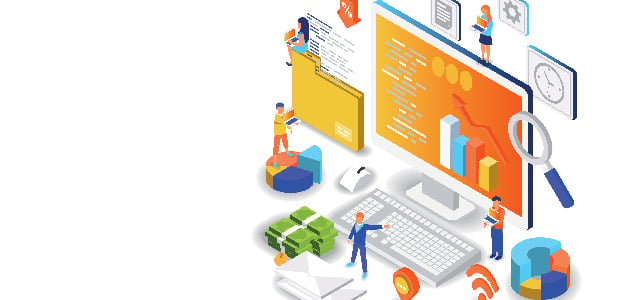
The economic downturn has been a struggle for many businesses but it has also been an opportunity for many to review their marketing activity. POLARIS, a digital marketing agency based in London, suggests that as part of this marketing review, now might be the ideal time to consider the effectiveness of your business website and if planning an update, migrate your website now.
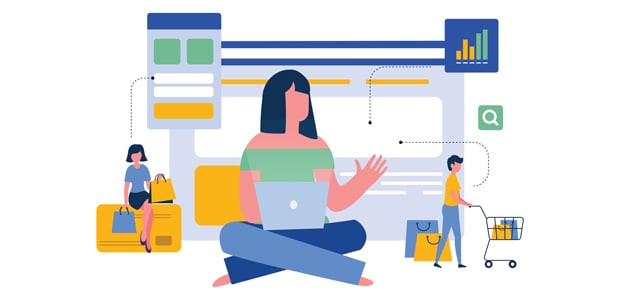
People all over the world are spending more time online and brands have quickly shifted their strategies to adapt to this new normal. However, all that time online means that consumers are now facing a barrage of visual clutter from competing companies.
The marketing industry may have the biggest responsibility when it comes to the advancement of equality – of the sexes, of the races, of sexualities, of mental & health conditions, and more.
Entrepreneurs: let’s be honest, all of us probably spend a little too much on social media. It’s easy to get lost on Twitter or on LinkedIn, scrolling through and seeing what everyone else is sharing, what is trending, and posting your updates.
Just when the lockdown period seemed to be drawing to a close, cases of Coronavirus took a sharp upwards turn and local lockdowns were enforced. Already, almost ten million people in the UK have been confined to their homes once again. Nationally, too, restrictions have tightened and fears of a second lockdown period are circulating as Health Secretary Matt Hancock refuses to rule out the possibility of another strict set of restrictions being brought in.

In a recent survey, over half of customers polled revealed that they tend to buy from a brand with a big personality. The study found that 57.5% of customers buy from brands with strong personalities, whilst 51.2% of people have purchased from a brand because of the way they spoke online.

When you’re building something from the ground up, it’s essential to have a strong foundation for support right from the start. Your business needs to have one main idea you can use to create a brand identity, to generate strong branding and to produce an effective brand development strategy to reach your goals.