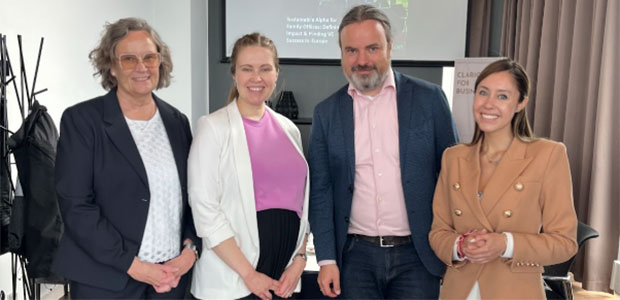
Family offices worldwide manage about $10 trillion in wealth. According to a 2024 FVCA (Finnish Venture Capital Association) survey, the third largest allocator of capital to local (Finnish) venture firms (right behind national funds and pension funds) is family offices.

Overall VC investments in 2020 are at par with previous years – but in Q3 2020, venture capital funding for all female founders is on pace for its worst year since 2017 (US data). In the week of Global Women’s Entrepreneurship Day, four of Europe’s top early stage venture funds (Speedinvest, Amplifier, La Famiglia and Redstone) got together to look into the reasons behind the grim statistics and explore what changes need to take place for more female entrepreneurs to get to a term sheet.

The year 2020 is a year like no other. While data shows the pandemic hasn’t affected the overall amount VC dollars invested in tech companies (on par with previous years; US), it has already had a disproportionate effect on the funds allocated to women-led businesses. Venture checks for female founders are at their lowest since 2017. The broader picture is even grimmer, with a real threat to roll back the last 30 years of economic progress for women (according to the International Monetary Fund).

European VC funds are raising a record amount of capital in recent years – $13B in 2018 with over 40% going into funds greater than €250M. Venture is not only a vital source for startup companies to achieve growth and create value through innovation – it is key for the overall economy. In essence, it is a two-sided business, where exceptional founders are matched with capital. While a lot has been said and written about the ‘front’ facing side of the venture industry, how do venture capital firms emerge and raise their funds?

The amount of information we are exposed to exceeds our ability to process it. Out of the about 70,000 thoughts we have per day, our short term memory can hold no more than seven for only about 20 to 30 seconds. How does this relate to branding? Our long-term memory stores our associations with specific brands which is also ultimately the desired effect of marketing campaigns or PR activities – for people to remember your company (or you as a person!) when in need of the products or services you provide.

2019 was a record breaking year for VC investment in UK startups ($13.2bn, an increase of 44% compared to the previous year) and the amount of VC dry powder in Europe is higher than ever before(more last year’s raises here). Success stories of companies raising millions without a formal pitch deck (Hopin, an online events platform) or still in beta and during lockdown (Clubhouse, a voice-based social media app) do sound inspiring.

Since the Coronavirus outbreak, multiple concerns about the pandemic deepening social and economic inequalities have been raised. The latest ‘Ecoystem’ webinar session brought together leading investors and one of world’s largest engineering and manufacturing companies in a conversation on challenging industry perceptions to break down barriers to VC funding and innovation.

We are in a state of an unprecedented global health crisis. Coronavirus has spread with similar speed and impact to an earthquake – with confirmed cases surpassing 5.5 million people in under six months’ time. Economically, according to IMF managing director Kristalina Georgieva, the world is facing the ‘deepest recession since the 1930s Great Depression’. A shock to the system, which has transformed the way we work, communicate and live. And fundraise. Last week a research by Plexal and Beauhurst revealed investment in UK tech startups has dropped by 50% year-on year. What should companies fundraising know, how to prepare and how has the VC landscape changed?