
An online game developed by a startup business in response to the recent COVID-19 lockdown is now being used to train the Artificial Intelligence (AI) component of its new legal contract management system.

As much as we hate this phrase, Babble was born in the cloud. We don’t have any fixed technology so naturally, when Boris gave the order to stay at home our business found it easy to adapt. Our employees work, collaborate and communicate around one central platform, available on any device, anywhere. Our contact centre isn’t fixed to an office with phones and headsets, and our cyber security isn’t something we ever need to worry about.
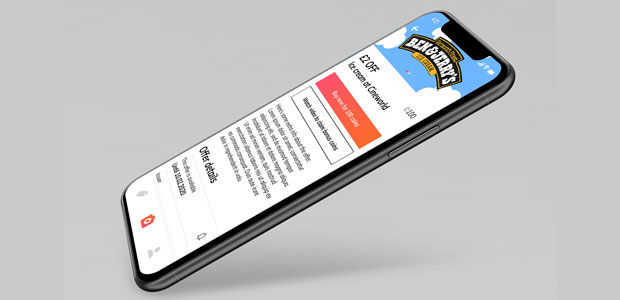
Bagboard, the creation of former credit trader Ben Ayres, advertising executive Ashleigh Bishop, and startup specialist Charlie Ayres, has hit over 100% funded with 13 days remaining. Bagboard marries major brand advertising campaigns and environmental impact, with a mission to empower consumers to use their collective spending power as a force for good.
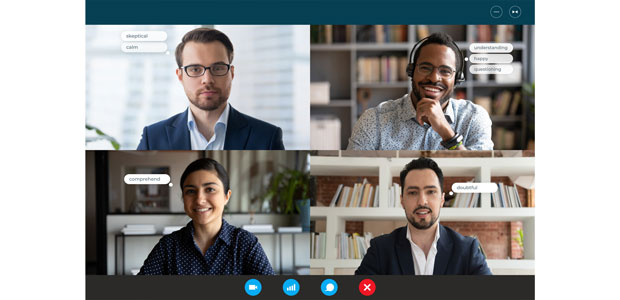
Neuroscience-based people development company, Sesh has announced that it has secured $1.6m in pre-seed funding. The funding will enable Sesh to accelerate the development of its human comprehension AI, Empath, that identifies states of mind and emotional mood of people in any video source.
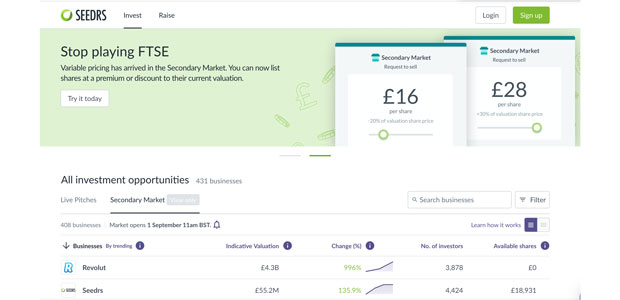
Online investment platform, Seedrs has announced record-breaking activity levels on its Secondary Market, following the introduction of variable pricing in the August trading window. The introduction of variable pricing offered sellers the opportunity to list their shares at either a premium or a discount of 10%, 20% or 30%, relative to the mark-to-market share price and was developed in consultation with Seedrs entrepreneur and investor communities.

Ask anyone which location they’d associate with startups, and my money would be on “Silicon Valley” being their answer. But in the past few years, global investors have been shifting their collective gaze to Europe. Forbes reports that the first half of 2019 broke the record for tech investment in Europe: £17.2bn was invested in the continent’s tech startups. Similarly, Europe was pretty much on par with the United States when it came to the existence of startups backed by venture capitalists.

Many startups would have been forgiven for spending the last three months focusing purely on survival. Yet, as lockdown restrictions lift, an alternative story is beginning to emerge.

Startups Magazine recently spoke to Nicky Pasquier, CEO Virtuoso Assistant, the digital marketing for entrepreneurs and small business.

Launching a new business is not for the faint hearted even when market conditions are ‘perfect’. Doing that in the midst of the worst global pandemic in over a century is, by any standards, rather bold.
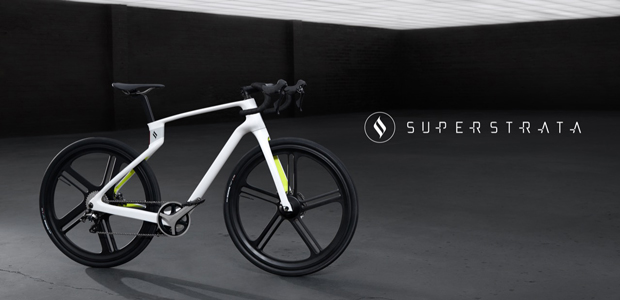
Superstrata’s 3D printed e-bike, and traditional bike has soared past the company’s initial crowdfunding target, hitting £3.3M in pre-orders as more than 2,800 backers from 66 countries have supported the project so far, and due to demand has decided to extend the campaign until Saturday 12 September 2020.

aeris health, a Swiss startup that creates commercial and residential air purification systems that are improving health globally, is facing huge demands on its manufacturing, as sales have doubled month over month since January.

As part of its increasing investment in digital technologies, global motor and industrial equipment manufacturer, WEG has acquired control of a new Artificial Intelligence (AI) business. Mvisiais a Brazil-based machine vision startup that specialises in applying AI tools in industry.

The Women On Top Podcast has announced its exciting brand expansion. This new direction will see the podcast evolve into a multimedia digital platform including online magazine, email newsletter, podcast and virtual events later in the year.

Nova, the Liverpool-based tech cofoundery have provided us with another great startup to speak to. This time we chat to Georgia Wheadon, Founder of Umii, the app designed to tackle lonliness at uni.

The startup bootcamp Renegade Academy from Huckletree is back this September. It’s a 6-day (evenings only) interactive bootcamp for people with a business idea or concept, to help them get it off the ground.

As lockdown restrictions begin to ease, many employers are having to think about how they go about bringing back employees to the office, and what this might look like in the future. Anthony Rose, CEO and co-founder of SeedLegals here gives his take on what London’s top startups are saying about the office.

Coronavirus has caused businesses around the world to face the most impactful shake up in traditional operations many of us have ever experienced, one person who knows a lot about businesses is Business Development Director at The Translation People, Alan White, so Startups Magazine spoke to him about the current climate.

Taking single use plastics out of circulation is no easy feat, but the answer might lie closer than we think.

Murata has announced the launch of its Open Innovation website to create collaborative relationships with startups to develop solutions in the mobility, energy, healthcare, and wireless markets.

A London-based business growth agency is offering free coaching and mentoring sessions for aspiring entrepreneurs who are looking to launch their own startup.