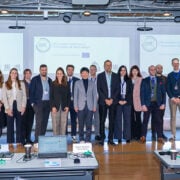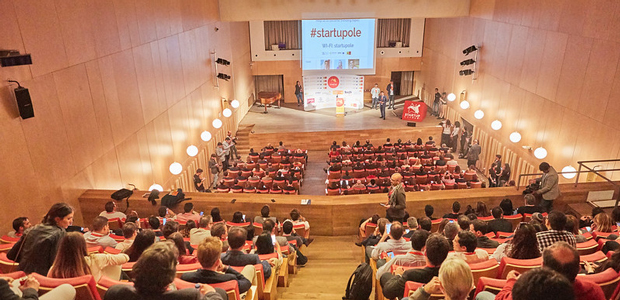
Startup OLÉ is becoming the first deep tech startup event in Europe. This ground-breaking event is associated with the fourth wave of innovation on the European continent, as Startup OLÉ is the event for universities and university startups, which are the cradle of science.

When I hear that female founders have been the hardest hit due to the effects of COVID-19 and the UK’s numerous lockdowns, it pains me greatly, not least because, studies such as The Rose Review estimate that if women in the UK were founding businesses at similar rates as they are in other countries, about £200bn would be added to the UK economy!

Whilst many people enjoy watching the sparring between business angels on TV this type of investing may feel like something for others i.e., the millionaire business owners. Because of this, rather than exploring this exciting asset class, we put our investments into safer options we are more familiar with such as mutual funds and stocks. Gavin Heys, Envestors Private Investment Club explains.
According to government data, SMEs made up over 99% of the total business population at the start of 2020 – and this is the reason why thriving SMEs remain the backbone of rebuilding our economy. Across the UK, SMEs are getting back on their feet, employing workers and providing important services which fuel our local economies.

UnderPinned has hit its funding target of over £500k within an hour of going live on crowdfunding platform Crowdcube. Having quadrupled their community and launched accelerator programme with day one profitability since their last round, they’re raising to amplify marketing and further enter US & European markets.

According to MoneySuperMarket, around 22% of the UK’s two million freelancers are busy delivering essential business support. As more companies embrace hybrid working models, recruiting external consultants can complement the skills of in-house staff. Here Ashmita Das, CEO of Kolabtree, the freelance platform for scientists, explains how small and medium-sized enterprises (SMEs) can integrate freelancers successfully.

ReLondon is set to convene leaders and innovators from across the capital and beyond for the fourth Circular Economy Week (#CEweekLDN), which took place 14th – 18th June. The week showcased some of London’s most promising circular economy approaches to inspire action and encourage organisations and individuals to waste less and reuse, repair, share and recycle more. The aim is to promote polices, practices and behaviours that can accelerate the growth of the circular economy and place it firmly on the agenda for the UN Climate Change Conference (COP26) in November.

A technology hub has launched two unique business incubation programmes in response to post-COVID needs by building a peer powered community and bringing world-class innovation and growth opportunities to the region’s most promising entrepreneurs.

TravelTech Show, taking place virtually on 14-15 September 2021, has committed to supporting startups in the travel technology space by creating a £25,000 fund that startups can apply to access. The fund supports startups from across the globe founded with the last 48 months and have not raised more than £2M in funding with subsidised exhibiting options and additional marketing and PR support.
In June of 2020, the US Supreme Court handed down a ruling that barred employers from discriminating against queer and transgender employees. This was the latest of many fights happening worldwide to introduce or strengthen legislation to protect the LGBTQ+ community in the workplace.

When launching their business, entrepreneurs get very excited at the prospects of finding clients, but also anxious about how to do it. While there are many priorities for them in terms of business operations, building up the right teams, or maintaining their cash flow, organic marketing isn’t one that should be neglected or postponed.

What exactly is an Advisory Board and why is it so important to growing your business? This is a question that I am often asked by founders of early stage businesses. Thankfully, as questions go, it is one of the easiest to answer and, indeed, one of those topics that can make a fundamental difference to your business.

UK-based healthtech firm Kiteline, formerly known as Liminal Health, has secured £370,000 in funding to meet the demand for support for those living with chronic conditions, including cancer, diabetes, heart disease, and, most recently, long COVID.

Legal & Governance Hub, are a business law consultancy supporting startups, scaleups and SMEs. I am Gulnaz the Founder who trained at a startup boutique law firm, which was my first real exposure to learning about business. I worked in marketing, finance and even sales with my own client following! Starting my career in a startup was a great move, I had lots of responsibility and autonomy.

CRL have shortlisted 16 startups as potential participants for the CRL Accelerator programme. Over the past six weeks, the CRL team have been working with the group, supporting them to identify the biggest questions and assumptions that need to be understood before they could progress their business to the next stage.

As Loneliness Awareness Week just took place (14-18th June), Naomi Thompson, Head of Organisational Development at Benenden Health, wanted to explain how employers can support team members struggling with loneliness as we slowly move away from COVID-19 restrictions.

Putting a sustainable spin on laundry, Oxwash, the UK-based startup backed by Twitter Co-founder Biz Stone has raised £2.08m ($3M) in seed expansion investment, to clean up the traditional and environmentally costly washing and dry cleaning sector with its space-age technology.

Closing the skills gap in organisations and industries around the world has a key role to play in our pandemic recovery. Factors such as geography, poor infrastructure, financial hardship and a lack of public resources are preventing many from accessing training that could transform their futures. Yet recent research shows that if digitally lagging sectors—such as manufacturing, mining, healthcare and education—double their use of digital tools, Europe alone could add €2.5 trillion to its GDP by 2025.

Eleven startup companies from Bristol’s world-leading tech scene have been shortlisted to pitch and demo their innovative products at SETsquared Bristol’s flagship Tech-Xpo 2021 event on 30 June.

Black Tech Fest calls on businesses to take further action to ensure greater awareness and racial parity for Black people working within tech.