Flexible childcare provider, Bubble, is offering start-ups the chance to enhance their employee benefits packages and increase appeal to top talent through free on-demand babysitting.

The Newton Venture Program is the first of its kind global training program for investors from VCs, LPs, angels, accelerators, and tech transfer officers

Global consortium looks to bring aquaculture technologies together through development of new software
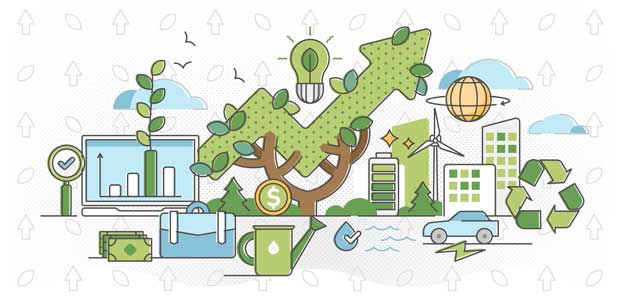
As the dust settles on COP26, which rather predictably failed to fulfil hopes and promises, the obvious question is: what next?

NFT collection explores how space travel will shape human evolution

Digitopia is the global leader in Digital Maturity assessment and benchmarking studies, it takes an independent and industry-agnostic approach. The Digital Maturity Index (DMI) methodology is underpinned by the Digital Maturity Platform (DMP), which is the leading maturity assessment and benchmarking solution for business. It supports hundreds of organisations with an essential set of Executive KPIs that help to measure digital transformation progress and success. We spoke to Halil Aksu, CEO of Digitopia to find out more.

In the wake of the COVID-19 pandemic, purpose in business matters more than ever. With increasing global pressures, businesses have: “An opportunity, and an obligation, to engage in the urgent needs of our planet” (Mckinsey 2020).

Due to the ongoing COVID-19 pandemic and the demand for employees to return to the workplace, the United States Department of Labor is acting on an executive order from the Biden administration which requires all companies with more than 100 employees to issue vaccination passports or agree to frequent COVID testing, as a part of their day-to-day business activities.

12 colleges have united to become founding partners of Visionnaires, a not-for profit organisation with the potential to help thousands of aspiring entrepreneurs across the UK.

Commercial heat pumps take natural thermal energy from the air, ground, or water and turn it into heat that can be used for hot water and heating systems.

Being a startup owner has its challenges. From updating the books to implementing the perfect marketing strategy, it can feel like time is running against you. Nevertheless, there are several ways in which you can manage your time more effectively.

Starting and scaling a business requires founders to undertake many different roles; many of which they will do themselves initially but other tasks they will inevitably require some assistance with. But whatever the business, any founder looking to scale must ensure that they tell a good story, and they tell it well. But what does this actually mean?

The White Label World Expo is the UK’s largest event for professional online sellers to meet cutting edge white label goods suppliers.

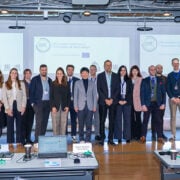
Alicia J Diamonds, the diamond and gemstone specialists who curate bespoke jewellery, and Daniel Galvin Jr MBE, the renowned colourist and hairdresser, and Coutts the private bank and wealth management experts, are hosting a Brilliant Breakfast on Thursday, November 25th 2021, at Coutts in London for the Women Supporting Women initiative from The Prince’s Trust

COP26 encouraged people to rethink their impact on the environment and strive towards more conscious consumption. This, coupled with the launch of our November/December issue of the magazine focusing on sustainability and tech for good means it’s the perfect time to round up the top 10 sustainable tech startups of 2021.
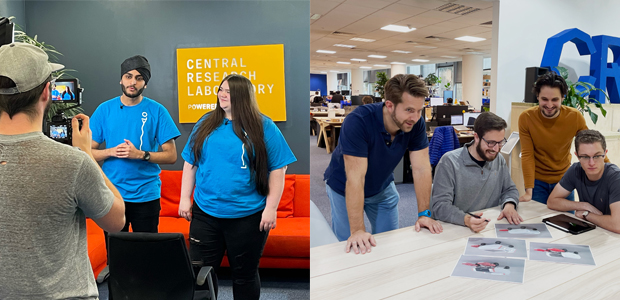
As we approach Demo Day tomorrow (which you can still sign up for virtually here), we wanted to bring you a recap of the remaining of the six startups who made up the CRL and Mouser 2021 cohort.

Digital Catapult is launching FutureScope, the new home for startup and scaleup acceleration, which will be a portfolio programme based on Digital Catapult’s best practice framework, and will provide targeted support for startup and scaleup companies at different stages of their lifecycle – from early stage startups just entering the market, to those who are focused on pushing the limits of their technology capability, and later stage companies looking at Series A+ investment and beyond. Here Director of Digital Catapult’s Innovation Practice, Maria Nelson, argues startup accelerators need to move with the times and take a more holistic, cross-market, cross-tech view to give modern startups what they need.

Outsourcing is the practice of letting an outside firm handle your company’s processes. It’s a phenomenon used by small and large companies alike.

After the year 2020 brought us with all the disruption and uncertainty, 2021 was a fresh start for many and a time for change. That is exactly what the CRL and Mouser accelerator programme this year promised, a change and hope for the future.

At a time when the COVID-19 pandemic has left millions struggling with their wellbeing, this International Men’s Day presents an important opportunity to bring much-needed attention to men’s mental health.