Life
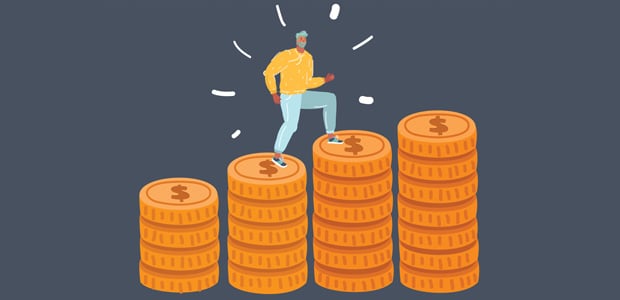
The Coronavirus pandemic could deepen the North-South divide in the UK – that is according to new Labour Party leader, Sir Keir Starmer. He did, however, make it clear that the problem could be alleviated with a fairer distribution of investment into the Northern regions.

As the UK marks three months under lockdown, Sage has published an in-depth report based on weekly polling of a total of 5,000 SMEs over the course of the lockdown period.

The Mayor of London’s scaleup programme has teamed up with Microsoft to provide some of the capital’s leading small companies with extra support to help them grow.
Britain is facing a projected £74bn drop in revenue for creative industries due to the coronavirus pandemic, with 400,000 jobs of artists, designers, musicians, creators and curators likely to be lost.
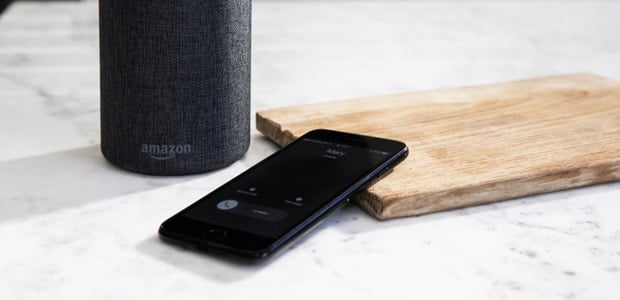
The vision for Alexa is to set customers free to do more in life. To achieve this, Amazon is continuing to assist the growing number of startups and entrepreneurs working with voice technology.

Roy Ledgister, Founder & CEO of Convivia, speaks to Startups Magazine about his experiences and offers some insight into entrepreneurship.

The number of people on UK payrolls dropped by 612,000 between March and May, according to early data from the Office for National Statistics and HM Revenue and Customs that is starting to show the depth of the hit to the economy from the pandemic. The UK unemployment rate for the three months to April 2020 was estimated at 3.9%, 0.1 percentage points higher than a year earlier but largely unchanged on the previous quarter.
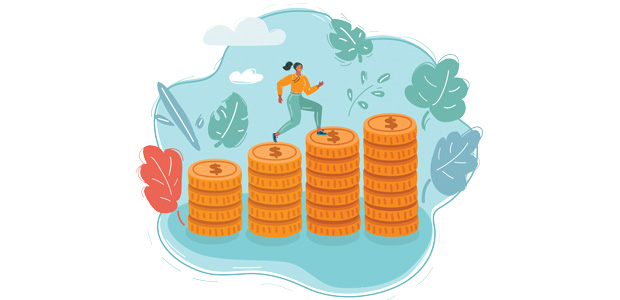
Over the last few weeks, Chancellor Rishi Sunak spelled out how he and the Treasury plan to end the Job Retention Scheme – also known as furlough – at the end of October. The scheme is currently paying 80% of the wages of at least 8.4 million workers placed on furlough by their employers. Many are concerned that the majority of these workers will be made redundant as soon as the scheme ends, leading to mass unemployment.

The Bank of England has revealed that it may take the cost of borrowing below zero for the first time in its over 300-year history; following moves by Eurozone countries to introduce negative interest rates. The move could effectively mean that savers pay to have their money with banks and are incentivised to borrow money and increase their spending.

During Mental Health Awareness Week last month, in the UK and for seven days, the nation paid itself some attention and shone a light on the impact of work and COVID-19 on our wellbeing. For the rest of the year, however, we must continue to look after each other and our mental health in and out of work.

Unfortunately, the Covid-19 pandemic continues to take its toll on our everyday lives, therefore, it is important we maintain high spirits and support each other and our local communities as much as possible. As non-essential stores remain closed until further notice, there is little we can do to help with this reality. However, for those small local shops and convenience stores that continue to provide us with our essential items and necessities, there are steps put in place to help support their success during this tough time.
Figures published by the Office for National Statistics (ONS) recently published have showed that the number of people claiming unemployment benefit went up from 856,000 to 2.1 million in April, with almost 1.5 million officially unemployed.

The world over, money related bundles have just been reported by countries in an offer to re-establish their economies in the midst of the coronavirus pandemic holding nations over the globe.

According to UK Government statistics some 660,000 new companies are established each year and many of these will have plans to scale rather than to remain a micro business. Some founders will of course be happy to run their startup as a side hustle, and others will only be looking for a lifestyle business. But for many others that are looking for something larger, ‘how do I scale my business?’ is a question that I am often asked.

The world is now facing a public health crisis known as Covid-19 and a financial crisis. The crisis on our hands manifests differently for individuals and companies. The uncertainty over our ability to revert to our normal state creates pressures on mental health, relationships, and business performance.
The team at Quotezone.co.uk, an insurance comparison site, surveyed 600 UK businesses about how they are dealing with the lockdown. The research revealed that two fifths of UK businesses (39%) have had to pivot their offerings since the beginning of lockdown, with 76% of these providing a brand-new service.

When you are trying to navigate the management of a business in the midst of a global pandemic, it’s all too easy to neglect the maintenance of your company culture. Yes, it’s true that other priorities might seem more pressing right now; after all, your clients and suppliers won’t be sending you impatient emails demanding to know how you plan to safeguard your internal team relationships.
“In a crisis, beware of the danger- but recognise the opportunity,” John F Kennedy. Highlighting the light in the dark, this is perhaps one of the most salient quotes for our times.

Kindness – a word used so frequently. Social media feeds are covered in quotes including: “In a world where you can be anything, be kind” and many more. Especially now, given our current Corona-climate, we’ve all realised the power of kindness.
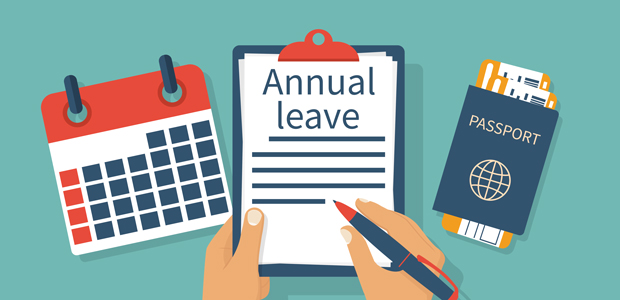
As employees return to work, UK businesses are likely to face a backlog of annual leave requests that could cost thousands of pounds. By collecting data and analysing the average monthly salary at a baseline at £2,214 and at least 50% of employee annual leave owed, Coworking Specialists Instant Offices have calculated how much it would cost for companies of different sizes to pay staff for a minimum of two weeks of annual leave.