Life
The number of partnerships between established corporates and new startups has rocketed in recent years, yet few are delivering what these companies were hoping for.

In April 2020, the UK Office for National Statistics (ONS) revealed that 49.2% of adults in employment were working from home because of social distancing measures introduced following the COVID-19 pandemic. With remote working now a necessity for many, companies can adapt by staying on top of the latest trends. Here, Ashmita Das, CEO of Kolabtree, the freelance platform for scientists, discusses some of the trends in remote working.
Focus group research conducted by e-days, the Nottingham-based global absence intelligence company, has revealed that ‘wellbeing’ is the most popular area of investment for HR leaders as we move into 2021.
Last month, in the run-up to World Mental Health Day, I joined a panel webinar at Orbit 20 – an online festival organised by WeCoffe – to discuss this topic.

The line between dreaming about your perfect business and actually running a killer corporation is not a huge gap – it is a simple step. Sadly, a lot of people get stuck on their idea. They dream about what could be, without ever focusing on achieving their goals. If you also have a great passion and an amazing idea, then make sure not to be one of these people. All you need is to divide your process into smaller, easier to handle bits. Doing so will help you tackle them more eagerly, and deal with the tasks as they come. Today, we take a look at five essential steps needed to stop dreaming – and start doing.

With varying government guidelines in place across the country, many will find themselves working from home. Exploring the nation’s relationship with their sofa and desk chair, FurnitureChoice.co.uk polled Brits to find out how many suffer from back pain. Using this insight, experts reveal the best and worst seating positions for your back, whilst we spend more time at home on the sofa.

WorkClub workspaces support hospitality venues, co-working hubs and pubs, to drive more footfall during day-time hours. These venue hosts become neighbourhood workspaces, allowing WorkClub members to work closer to home, supporting the local ecosystem around the corner from their homes. We spoke to Nick Donnelly of WorkClub to find out more about them.
A company’s values and culture are becoming increasingly important for the modern worker, quashing even the number on their paycheck. This has never been clearer than today, with the global pandemic both shifting and confirming priorities for workers around the world.
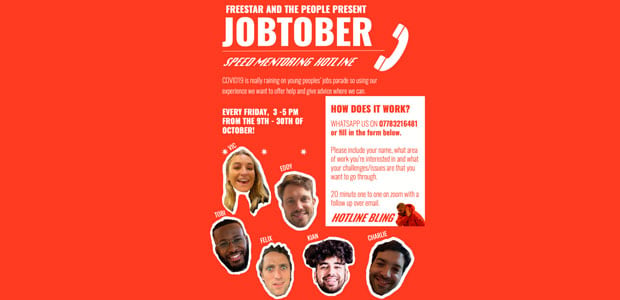
The impact of COVID-19 on young people’s career prospects has been severe, with under-25s being more likely to be furloughed than any other age group, and many more young people being let go or having their job offers rescinded following the March lockdown.

In this second ‘Millennial’ article series, we will be exploring the way in which millennials buy – and what happens after they’ve made a purchase, the good and the bad.

This week is National Work-Life Week – an opportunity for both employers and employees to focus on wellbeing and achieving a good work-life balance. But with the ongoing impact of the coronavirus crisis rumbling on, achieving a healthy work-life balance has presented new challenges this year.

At a time when WFH looks set to continue for many in both the short and long term, ‘hidden fractures’ are forming in the workforce which risk causing irreparable damage to cultures and productivity. That’s according to new research from Totem, the digital culture platform, which is urging employers to take action now to better manage remote working and prevent employee engagement and retention levels falling to an all-time low.

Millions of Brits give up more than a month of time each year by working additional unpaid hours, totalling five years over their working life, research reveals. In a poll conducted by Hitachi Personal Finance for this year’s National Work Life Week, data reveals exactly how much time Brits are spending working past their contracted hours and what else the nation could be doing with this time.
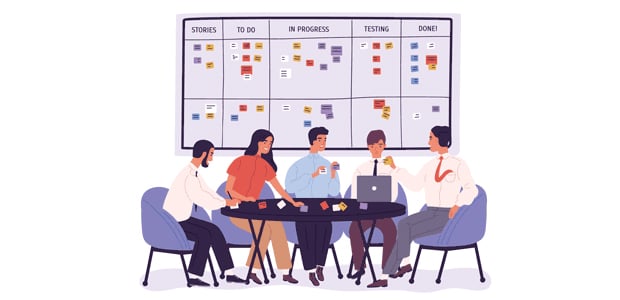
Over 60% of organisational change initiatives fail, but change itself isn’t the stumbling block. Change is common and natural, even inevitable. Seasons change, people change, mountain ranges change — yet successful change management remains a lofty, even insurmountable challenge for many organisations. Over 60% of organisations view change as something that should not be desired, something that should be dreaded; so many leaders within organisations fight hard to create sustainable/practicable practices, systems and functions with change being the last thing they desire.
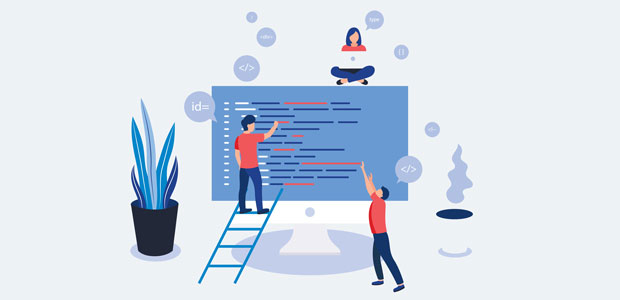
The art of coding is reported to enhance productivity and communication within businesses, therefore, it is fast becoming a sought-after skill by employers. As the tech industry continues its exponential growth and becomes an integral part of every business, where’s the best place to start for a career in coding?
According to new research from Pluralsight, the enterprise technology skills and engineering management platform, 43% of UK office workers are worried they will be left behind as companies seek new skills to cope with the rapid pace of change.

2020 has been the most stressful year in history for the global workforce and people want robots to help, according to a new study by Oracle and Workplace Intelligence, an HR research and advisory firm. The study of more than 12,000 employees, managers, HR leaders, and C-level executives across 11 countries found that the COVID-19 pandemic has increased workplace stress, anxiety, and burnout for people all around the world, and they prefer AI robots instead of other people to help.

The pandemic has caused significant disruption to communities, businesses and the economy on a scale that has never been experienced before. The economy shrank 20.4% between April and June as ongoing lockdown measures led the country into recession.

The Data & Marketing Association (DMA) has published new guidance, ‘DMA Talent: Dyslexia Employer Guide’, created using insights from neurodiversity consultants, brands/employers, and dyslexic employees working across the creative, data and marketing industries.
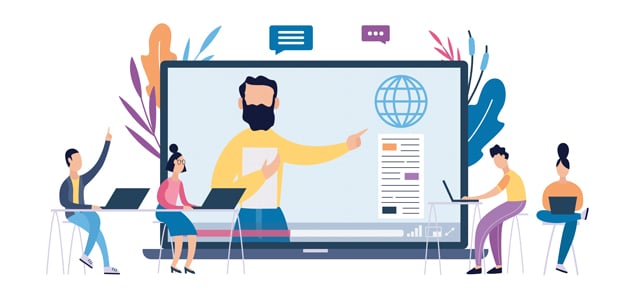
As we enter the last quarter of 2020 I thought that it would be useful to take a look back at this extraordinary year and see what lessons can be learned from these truly remarkable circumstances. It has, after all, impacted on every business around the world in one way or another. Indeed, the impact has been so great that business, and the way that business is done, will never be the same again.