Life

The 2020 festive period is now in full swing. However, with the UK coming out of lockdown to tighter tier restrictions, it’s fair to say Christmas will look different this year. A work Christmas party is often a great excuse to let your hair down and celebrate the festive season with your colleagues. After a year filled with lots of change, ups and downs and staying at home, now more than ever it is important to celebrate all we have achieved.

One of the common mistakes of start-up founders is trying to micromanage by insisting everything is controlled internally. This has the effect of slowing down progress. Busy start-ups need to decide what activities are important to conduct in-house by their employees and others that can be safely outsourced to a third-party.

Running a startup is challenging – it involves wearing many different hats and having to deal with multiple decisions and challenges every day. If we work in a cluttered and disorganised environment on top of this, it can make us feel overwhelmed and stressed. Disorganisation can make it harder to prioritise tasks, focus on important decisions and think creatively.
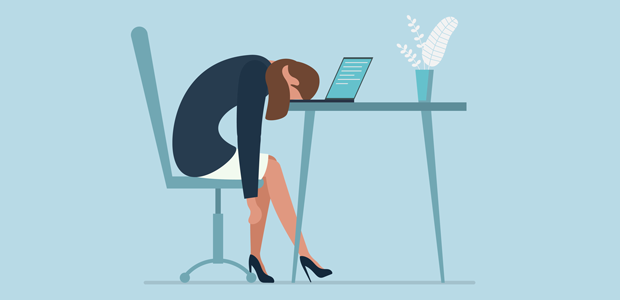
e-days, the absence intelligence company, says data from 86,000 recorded UK absences has revealed that stress levels have spiked twice in 2020 following the changes to the furlough schemes. These peaks were especially noticeable in organisations with fewer than 250 employees as the effects of the pandemic proved more challenging for small and medium sized businesses (SMEs).

There’s no doubt about it: leadership has been put to the test this year. Over the course of 2020, leaders of businesses everywhere have had to step up to a monumental challenge. Not only have many businesses had to fight to stay afloat, but company leaders have been required to find new, creative ways to work remotely, motivate their team in the face of extreme adversity, and achieve their goals.

When it comes to job satisfaction, Denmark tops the list of the best places to work in digital in Europe – beating the UK, Germany and France – according to the 2020 Digital Talent Global Work Happiness Index.

The COVID-19 pandemic has drastically changed the way the world works, and with UK workers working at home for the foreseeable future, it can be difficult to connect the workforce together. To support workers, flexible office specialist, Workthere, has shared five tips on how you can stay connected to your colleagues, both in and out of the office.

New research by Accountancy and Finance, HR and Data Analytics recruiter, Wade Macdonald has found that nearly half of UK businesses outperformed their initial predictions for this year, a more assured position than many were expecting only nine months ago.
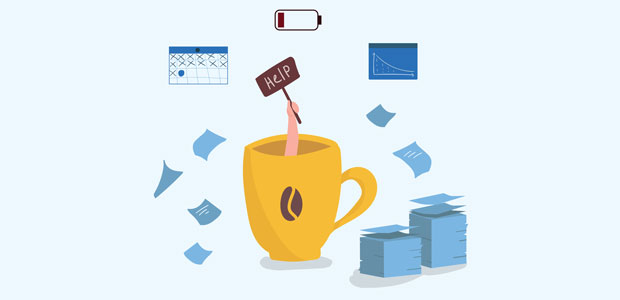
Almost half of UK businesses have seen an employee move on because their mental wellbeing wasn’t being looked after, with a quarter losing a key member of their workforce, according to new research from not-for-profit healthcare provider, Benenden Health.
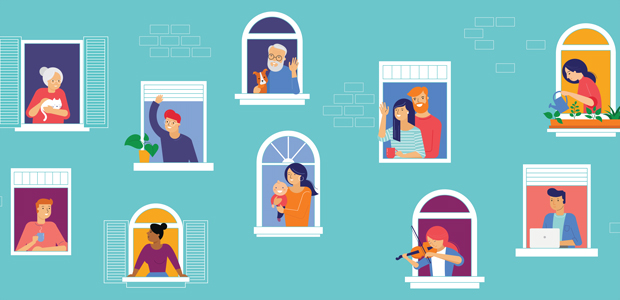
This has been quite a year and if 2020’s taught us anything it’s that we need to take very good care of ourselves, as our business’s biggest asset. Your wellbeing is the source of energy and creativity that your business needs.
As the UK emerges from lockdown for a second time, it’s crucial we keep up the conversations we’ve been having about the importance of a healthy work life balance. The majority of people who I’ve spoken to have enjoyed the freedom of remote working and are keen to retain some of this newly-discovered flexibility in the future. With this new mindset and the ongoing restrictions, I certainly don’t anticipate an immediate rush back to offices.

Winter alone can have a negative impact on anyone’s mental health. Couple this with spending the best part of the year dealing with a pandemic and the subsequent lockdowns and it’s no surprise that according to ONS statistics, the weeks after the clocks went back saw record levels of loneliness in the UK.

Considering introducing an employee wellbeing programme in 2021, but concerned about the financial outlay and where to begin? Fear not, as it does not take a huge chunk of cash to create a successful wellbeing programme for your staff. However, you do need to invest some time to plan an initiative that will best suit your team. Here are four cost effective suggestions to get such schemes up and running, and to maintain momentum.
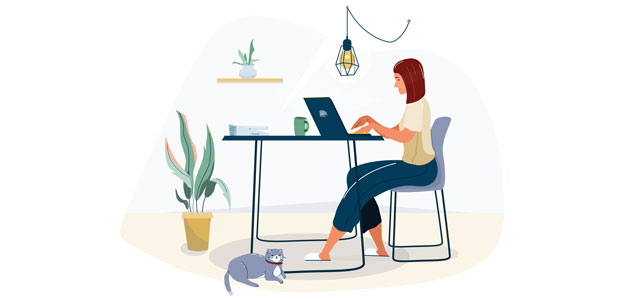
Small businesses in the UK still aren’t offering their people enough flexibility, according to new research from Tiger Recruitment. While the pandemic has required many to work more flexibly from home, more than a quarter of employees questioned say they still aren’t happy with the flexible working options available to them, and men are just as dissatisfied as women.
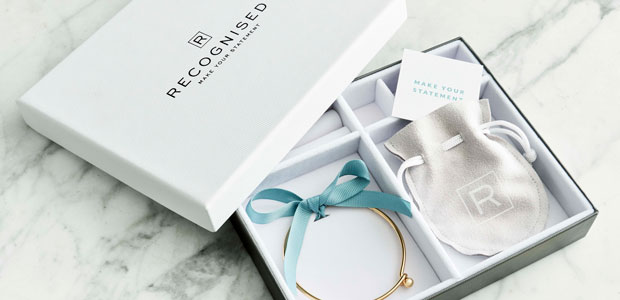
With one month to go until Christmas, social impact accelerator and mentor network, Impact Central, has released its top fifteen picks for ethical Christmas gifts for this season – from planet-friendly stocking filler snacks to sustainable menswear staples.

First Office Hub, the global workspace broker, which has just helped a tech company to expand from a traditional leasehold property into a 20,000 sq ft managed office space, describes the London office scene as extremely active with companies of all sizes and across all sectors researching offers and looking to secure the right deals ahead of 2021.

Are you working from home? Do you enjoy it? Given a totally free choice how would you like to split your time between working from home and working in the office? These are questions facing not just many millions of people in the UK, but hundreds of millions of people worldwide.

We are in a new world war, with a common enemy. However, the frontline is not on the beaches of Normandy, the plains of Russia or the Pacific islands but in the homes, offices, hospitals and care homes of every country in the world.
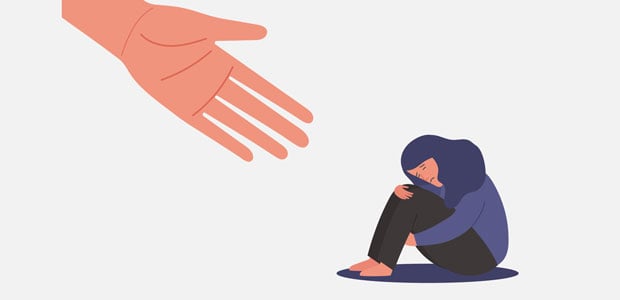
New research involving 150 HR leaders has found that 3 in 5 UK workers have experienced mental health issues since the outbreak of the coronavirus pandemic. The report authors, Accountancy and Finance, HR and Data Analytics recruiter, Wade Macdonald, and workplace law specialist, Doyle Clayton, have raised concerns of an increase in known incidences as a result of the current lockdown measures.
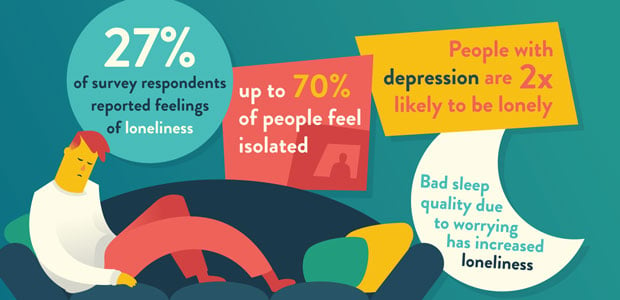
As England is once again in lockdown, new research shows the rate of ‘lockdown loneliness’ and its impact on mental health is as high as 27% in the UK. As the NHS strains to support an increase in mental health conditions, the Flow headset and therapy app treatment for depression, the first of its type to be medically approved in the UK and EU, aims to tackle ‘lockdown loneliness’ and mental health outcomes by providing immediate, at-home access to effective treatment.