Features

Small-to-medium sized enterprises (SMEs) and micro-SMEs are the backbone of the economy, driving innovation, employment, and growth. But these businesses often operate on tight margins and face numerous challenges, from economic uncertainty and rising costs to evolving risks.

Earning and maintaining trust in any sector is paramount, but this is especially true for the fiercely competitive landscape that is fintech.

Imagine you’re constantly under the microscope. Every misstep, every poorly chosen word is immediately noticed by regulators, investors, and the media. Moreover, it costs you a reputation and or even a decline in stock value.

When was the last time you gave your business a gift?
At Christmas we often think about giving gifts to our nearest and dearest. Well, is your business not something you care deeply about? Why not give your business some gifts this year. Often, we can get so busy this time of year, wrapping presents but also wrapping up as much as we possibly can before we take some well-deserved time off over the festive season. In all that business, we forget to take a step back and see what our business may need, or what may be of significant benefit for our businesses this year.

Renewable energy is on the rise, and at the forefront of this revolution are solar startups. They’re not just making a dent – they’re fundamentally changing how we produce, distribute, and consume energy. But how exactly are these emerging companies shaking up an industry that, for decades, has been dominated by fossil fuels? And more importantly, how can solar startups help your business harness the sun’s power? Let’s look into the world of solar startups and explore the innovative ways they’re disrupting the energy market.

Get ready for a world where robots walk among us – and I’m not talking about your coffee-addicted co-workers on Monday mornings. As we approach 2025, the world of robotics is on the brink of a transformation that promises to reshape our daily lives and workplaces.

With registered company insolvencies the highest they have been for a decade, and 50% of new businesses failing within three years, many SMEs face financial trouble; to the point of having to fold. This usually comes down to finances. Many small business owners don’t have any accounting qualifications, may never have seen a cash flow statement before, or understand the nuances in respect of tax and VAT. Michael Steed, President of AAT (Association of Accounting Technicians), shares the ‘danger’ signs small businesses need to look out for which indicate they may be in difficulty, and what they can do if they find themselves in financial trouble.

UK startups face a stark challenge: early-stage graduation rates, from Seed to Series A funding, have dropped dramatically from 12.5% in 2020 to just 4.5%. This trend highlights deep-set vulnerabilities in the UK’s startup ecosystem, compounded by a notable slowdown in new tech company incorporations. These shifts have serious implications for the UK’s ability to foster innovation and economic growth.

Tips and tricks from an investor, a startupper, and an event manager.

When it comes to building a sustainable business, the road from ideation to implementation can be challenging, tough, brutal, emotional… but also immensely rewarding. At Growth Studio, we’ve been fortunate to guide hundreds of startups through this journey, particularly through our work with the recent Amazon Sustainability Accelerator where we put these principles into real action (and for context, the startups we have worked with at Amazon have raised over £39 million in the past three years and increased their sales by over 700%).
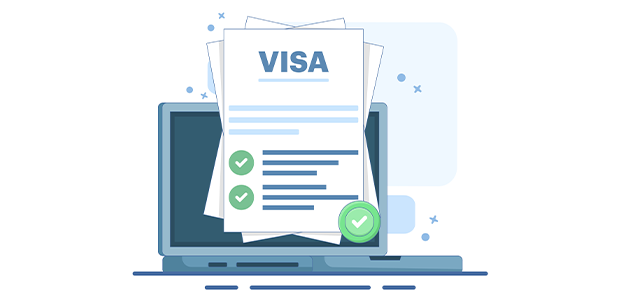
The digital transformation of the UK’s immigration system will have consequences for employers and employees. Our clients are making sure they are up to speed with the Electronic Travel Authorisation (ETA) and the eVisa. The ETA is an electronic form that visitors who don’t need to apply for a prior visa will now have to fill to visit the UK, while the eVisa is set to replace physical evidence of immigration status for accessing rights such as employment, rent, travel to the UK, health and welfare by the start of next year.

In the journey toward a sustainable future, collaboration, diversity, and shared knowledge stand as powerful catalysts for change.
The New Year offers a unique opportunity for startups to recalibrate, innovate, and plan for sustainable growth. Drawing insights from my column in 2024, here’s a list of New Year’s resolutions for founders and marketers to navigate the challenging yet rewarding startup to scaleup journey.

A month on and the dust is still settling from the outcome of the US Presidential Election, with Republican candidate Donald Trump emerging victorious for the second time, making him the USA’s 47th President.

What do you think when you read about tech giants reducing their presence in a new sector? Many see it as a judgement on the industry itself, and not in a positive way. What hope do others have if established companies can’t make it?
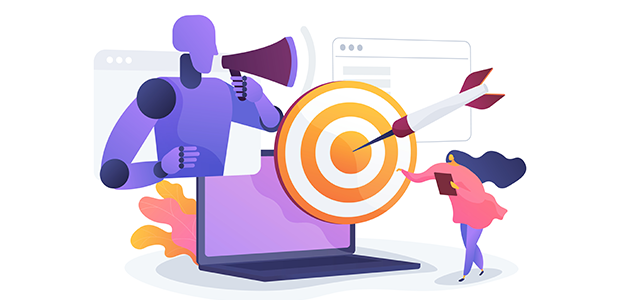
Personalisation has become one of the most useful tools for business. It can help enhance customer service and experience and drive sales. However, with customers becoming increasingly protective of their data and businesses able to access so much of it, privacy also matters. So, how can businesses strike the balance between personalisation and privacy without crossing ethical lines?
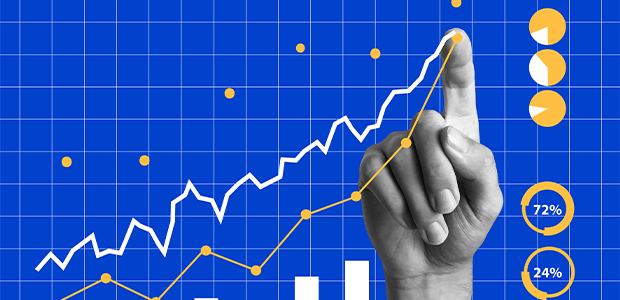
Fintech is a relentless force of innovation, reshaping industries and challenging the status quo. At Intergiro, we’ve built our reputation on spotting trends early, embedding finance where it’s needed most, and delivering solutions that make workflows seamless.
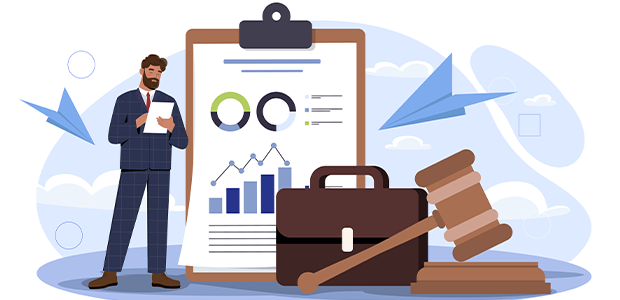
The United Kingdom is steadily emerging as a key player in the AI space, attracting the highest AI investment in Europe and ranking third globally, surpassed only by the United States and China. This success has been bolstered by the UK government’s commitment to fostering growth in the sector, however, it now stands at a critical juncture.
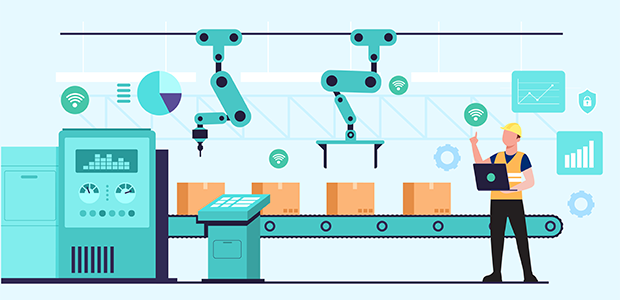
As we now know a second Trump presidency looms on the horizon, the American manufacturing sector finds itself at a critical juncture. The policies and priorities of a potential Trump administration could significantly reshape the landscape of US manufacturing, with far-reaching implications for the industry’s competitiveness, workforce, and global positioning.

As we enter 2025, startups face an environment marked by fast-paced technological advances, competitive pressures, and a heightened need for strategic agility. In this context, leaders must re-evaluate how they plan and execute strategy to stay relevant and resilient.