Brand

Getting a new business off the ground is an intensive and time-consuming endeavour that will test even the most resilient of us, which is why so many new companies are established without working systems and processes in place.
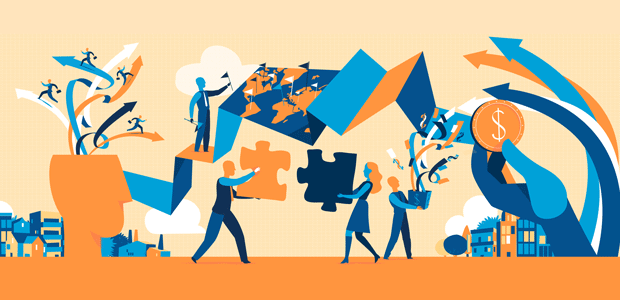
As the UK moves forward from lockdown restrictions many businesses are starting to capitalise on the resurging economy, growing their businesses to increase profit they may have lost out on over the past year. Additionally, one in five Brits are planning to start a business by the end of 2021, making the current market extremely competitive.

A blog is a regularly updated website or web page, typically one run by an individual or small group that is written in an informal or conversational style.
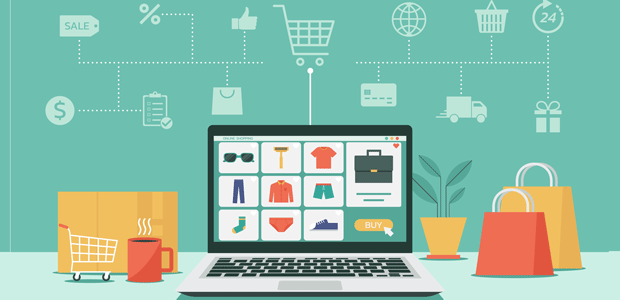
Working at Thrasio, one of the fastest-growing acquirers of Amazon third-party FBA brands, you learn how Amazon sellers can adapt their offering and remain competitive as consumers return to the high street.

As control over the pandemic increases, businesses and their customers balance optimism with curiosity about just what ‘normal’ will look like going forward. If you’re a startup, taking critical next steps may involve reassessing your marketing strategy. After all, it is indeed a changed world. It only makes sense that your marketing plan could use some adjusting.

As a small business owner, PR should be considered as a crucial part of your business strategy. Despite our obsession with social media and the glut of information that we consume daily, nothing can take away from the feeling of certitude that traditional press channels provide us. Be it in the form of news, business features or a founder profile piece, if it has the press’s seal of approval, it positively influences the way audiences respond to that piece of news.

When restrictions on travel and working together took hold on the world, it forced events and campaigns (which are essential to marketing) to frantically be reshuffled and moved online where possible. Sales strategies and marketing plans had to be reorganised to adapt to the new normal of the marketing world.

As a digital marketeer, data is king and the cost of ineffective data can be detrimental not only to the success of your campaigns. Still, it could also alienate or deter your audiences. Having incomplete, ineffective, or redundant data can lead you to making bad marketing decisions, causing business-altering mistakes.

Launching a business can be one of the most exciting yet nerve-racking decisions we can make. Once we’ve taken the leap, nothing says ‘venturing out into the unknown’ more than that common question: “What are you doing about marketing?”

Over the last year or so, as trade shows and retail outlets have closed and footfall in the physical world declined, digital marketing has become a critical way to reach an audience for any product or service that a start-up may be launching or growing, and especially so if you are D2C and want a direct connection with your customers.
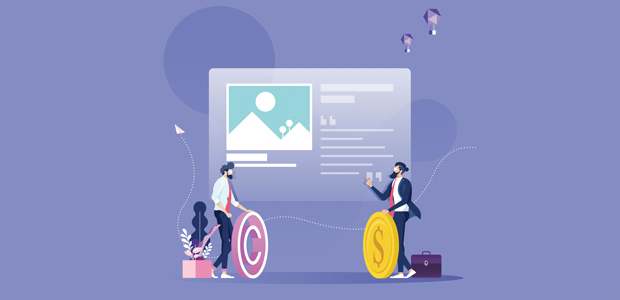
The commercialisation of your brand through licensing, can help maximise the potential of your trade marks, and is key to generating business revenue and increasing commercial value.

An effective SEO strategy doesn’t always mean you have to work hard, but it always requires you to work smart. Whether you just launched a website or your website’s SEO needs a different approach, there is always room to improve regardless of the business type, size, or industry. SEO expert at UENI, Matt Reevy, shares 7 handy online marketing tips to help you upgrade your website’s SEO and help boost your business.
A major part in delivering a successful campaign is to ensure you have the right people behind your brand. By having the best individuals to represent your product or service, the better engagement you’ll have with consumers. When it comes to creating your ideal team, there are some important factors to consider. From personality, knowledge, skills, attitude to experience. If you can tick all of these, then the greater impact your campaign will have.

Apple announced big updates for iCloud and iOS 15 at the company’s annual Worldwide Developers Conference this June, with a particular focus on privacy and data tracking. Newly unveiled features from the tech giant include the ability for users to load remote content privately without disclosing their IP, as well as using ‘burner’ email accounts to sign up for email offers.
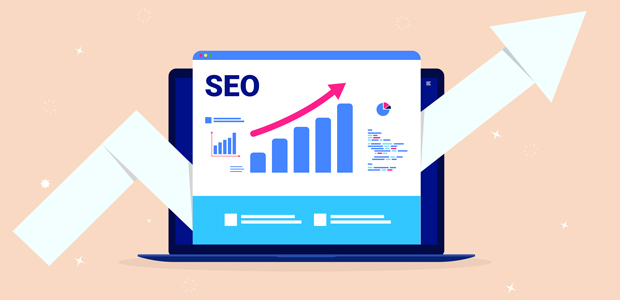
Startups are looking to make their mark in the busy online world as everyone competes to be more visible to their audiences. Traditional PR is an essential part of the strategy to manage online reputation, brand awareness and promotion of a business but have you thought about combining this with SEO to level up your presence? Businesses often separate PR and SEO, but why? Blending PR and SEO together achieves better results as PR promotes the brand and SEO concentrates on ranking and traffic.

Marketing is a pivotal area of functionality for all businesses and brands. While the ultimate objective of every business is to drive sales and profits, marketing is a means to it. Marketing takes a business among people, attracts the target audience, and endorses products and services to influence call-to-action and buying.

If you have ever replied to a ‘what was the number one song on the day you were born?’ viral post, taken a personality quiz without checking the terms and conditions or just accepted a friend request from a stranger then you could have opened yourself up to fraud.

More people than ever before are using their smartphones to browse the internet – 90% of the world’s internet population in fact! As such, it is essential that start-ups are equipped to deal with the demand by optimising their websites for mobile and developing apps to help reach and engage with customers more effectively.
When launching their business, entrepreneurs get very excited at the prospects of finding clients, but also anxious about how to do it. While there are many priorities for them in terms of business operations, building up the right teams, or maintaining their cash flow, organic marketing isn’t one that should be neglected or postponed.

A company’s brand is so important. It’s the business philosophy, its culture and ethos, its products, its team, the customer service, its corporate reputation.