
Global small business platform, Xero has released new metrics on the health of the UK’s small business community in July from its Xero Small Business Insights (SBI) program, in partnership with research firm AlphaBeta (part of Accenture).

The use of digital gift cards has grown dramatically since the outbreak of the COVID-19 crisis in the US, according to a new survey by Rise.ai, a startup that offers AI-driven customer re-engagement solutions.

European VC funds are raising a record amount of capital in recent years – $13B in 2018 with over 40% going into funds greater than €250M. Venture is not only a vital source for startup companies to achieve growth and create value through innovation – it is key for the overall economy. In essence, it is a two-sided business, where exceptional founders are matched with capital. While a lot has been said and written about the ‘front’ facing side of the venture industry, how do venture capital firms emerge and raise their funds?

Businesses, whether they’re established, starting up or looking to grow, all have one thing in common. The need to be agile and aware. And, if the pandemic has taught us anything it’s that businesses can adapt to a changing market and they can do it very quickly.
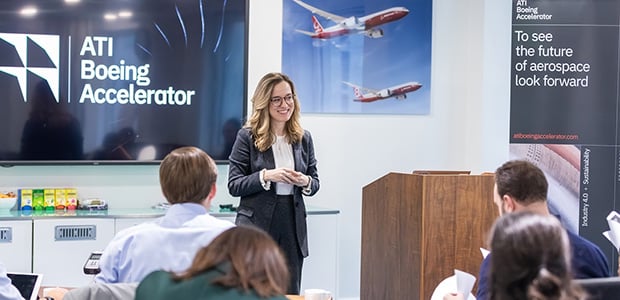
ATI Boeing Accelerator has opened applications for its second cohort, to invest into sustainability-enabling startups that will benefit the UK aerospace industry across three key areas of focus: Industry 4.0, Lifecycle and Resilience, and Energy. Launched last year, the accelerator was created in partnership by the Aerospace Technology Institute and Boeing, and is delivered by European accelerator Ignite. GKN Aerospace is a corporate sponsor and more partners will be announced in the upcoming months.

London’s entrepreneurs have been given a welcome boost thanks to funding from the Greater London Authority (GLA) and the Virgin Group. The funding will support the not-for-profit organisation – Virgin StartUp – to run its Ready Steady Grow programme which is aimed at supporting London based founders. The funding is valued at £1.7m over three years, half of this will be funded by the Virgin Group with the GLA funds matching the contribution. The extension is distributed by the GLA from the European Regional Development Fund (ERDF).

If you have come up with a catchy and distinctive brand name for your product or service and/or put in place a logo and design packaging, you may be wondering which specific branding elements you can protect as a trade mark.

A German-Dutch startup is testing a unique business model in Mbita, a small fishing town in Kenya. Torqeedo electric motors are hired out to the local fishermen for a monthly fee that includes training, maintenance, and a solar powered battery charging service.

British startups Jiva Materials (featured recently on Startups Magazine) and SoluBlue have been awarded a place in the final for the 2020 Postcode Lotteries Green Challenge. The two startups, working to tackle some of the most challenging types of waste pollution, have won at least €100,000 each and are now in the running for the €500,000 grand prize.

We are in the year 2020, which means a lot of things. However, one major transition more people are turning to is sustainability and a meat-free world. Not just giving up meat as a food, but all animal based products, however, this can prove difficult when it comes to clothing and the fashion industry.
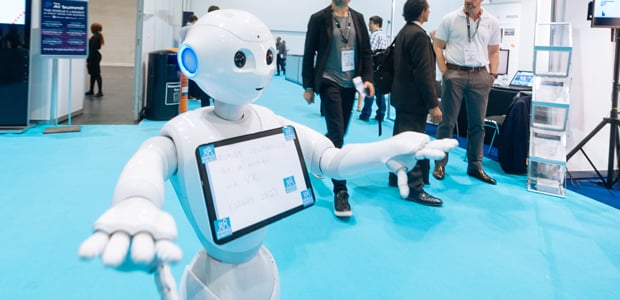
London Tech Week 2020 launches today showcasing the best of global tech and how it will play a crucial role in helping us navigate the challenges facing our changing world.

It is often said that turnover is vanity and profit is sanity. But, even more importantly, do not forget that cash is king. Put simply, businesses fail because they do not have enough cash or other liquid assets to pay their bills or meet their immediate obligations. So, whilst increasing turnover and growing profitability are what every business owner is aiming to achieve, it is crucial to still have a very strong focus on cash flow and the levels of cash in the business.

The ‘commute’ was falling out of favour prior to the pandemic, as an increasing number of office workers started to embrace flexible working.
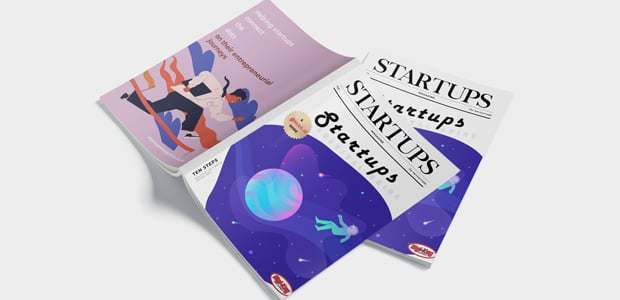
On 1st September, Electronic Specifier will be bringing the latest products and technology trends together at the ‘Electronic Specifier Expo’. Attendees of this virtual event will have the opportunity to hear from a wide variety of industry experts who will be sharing the latest products, technologies and solutions in the industry, as well as contributing to an informative programme of webinars and motivating talks.

With more and more employees working remotely during the COVID-19 pandemic, the role of employee benefits has arguably never been more important.

Gaming platform 3D Aim Trainer celebrated the first anniversary since its founding in June. The company, based in Dendermonde in East Flanders, Belgium, started as a passion project by competitive gamer Bernd Matthys and has since become a global success.

Your face can be developed in a natural way from the comfort of your couch. It is no longer determined only by genetics!

A new resource for anyone who runs their own business – or is thinking of doing so – has been launched by one of the UK’s most prolific supporters of micro businesses. The Happipreneur – Why #MicroBizMatters? is 2020’s ultimate guide for enterprising people, dedicated to helping ambitious entrepreneurs with innovative ideas to achieve happiness and success by controlling their own destiny.

A new study, commissioned by business bank, Allica Bank has looked to quantify exactly how much UK small businesses should be re-investing to succeed post-COVID-19. The study analysed data from over 1,000 companies and ranked their success on a scale that evaluated factors including productivity, growth, consistency and outlook.

An empowering new healthtech app called Blueheart has launched to democratise access to sex therapy and help people overcome sexual dysfunction to have healthy personal relationships.