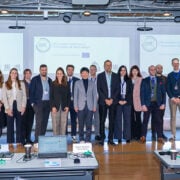
Here, Startups Magazine speaks to Lilia Metodieva, Managing Director of Monneo, European fintech startup.
We are increasingly becoming a cashless society. Cashless payments make payment processing easier than ever before, helping you drive more sales and provide great customer service.
In a year that saw mass layoffs, permanent closures and the GDP shrink to just 8.2%, some companies still managed to achieve growth.

Even though it may seem COVID is almost coming to an end (in the UK at least) and retail stores reopen, it remains hard to tell if the ecommerce bubble will ever burst.

As a travel company dedicated to putting travellers first, user research has always been an important part of our work. However, in 2020 it took centre stage when the unpredictable happened and a global pandemic changed entire industries overnight.

Morrisons is offering British entrepreneurs a fast-tracked route to a national market through a programme called ‘Growing British Brands’.

Running a zero-waste business always starts with passion. Passion for the products, passion for ‘being better’ and passion for the planet. In order to ensure that you’re going to have the biggest impact, you need to consider all elements of your business from manufacturing and supply chain to the packaging that you use.

Virgin StartUp has released new research to celebrate funding its 4,000th founder. Virgin’s not-for-profit entrepreneurial hub reveals that one in three (33%) Brits dream of becoming an entrepreneur and would like to set up their own business.

For Mental Health Awareness Week (10-16 May 2021), Christine Husbands, Managing Director for RedArc has shared her thoughts on the potential for the forthcoming return to work, the so-called ‘re-entry’, to induce further anxieties amongst staff.

A new campaign to help small businesses take action on climate change, by becoming more sustainable and committing to Net Zero, is being launched by Small Business Britain.

For Mental Health Awareness Week, Startups Magazine spoke to Jamie Kerr, Founder of MindKite, a mental wellbeing social media app and global community platform launching in early May 2021.

Ski instructor marketplace, Maison Sport has completed a new round of funding, achieving a raise of £1.25m, following collaboration with a collective of investors, alongside a Seedrs crowdfunding campaign.
To support ambitious early-stage entrepreneurs developing technologies with the potential to shape the future economy, SFC Capital has invested £25m in 120 companies (April 2020 – April 2021).

Whether it’s in a forest, field, garden, tree lined avenue, or plant-filled corner of your home, spending just two hours a week with nature is enough improve our mental and physical health.

Like so many other business owners, my entrepreneurial journey since the start of the pandemic has been unpredictable, with plenty of twists and turns to navigate along the way.

As a start up business owner there is no doubt that you may have overcome challenges to get to where you are today. But one area that many business owners may struggle with is the relentless heightened momentum that is needed to steer a business to success without hitting burnout. Keeping up momentum when you have limited staff and are trying to jump from department to department throughout the day can leave business leaders not knowing what to prioritise.

It goes without saying that in 2020 COVID-19 shook humanity to the very core. Millions lost their lives and even more lost their livelihoods. But even amid all this chaos and uncertainty, there’s one group of people who are somehow still finding possibilities in a pandemic.

One presumption about tech-for-good startups is that they generate less profit than traditional tech companies. This is a myth – they need to take care to prevent the nobility of the cause from getting in the way of their financial ambition, but there is no fundamental conflict between good business and business for good.
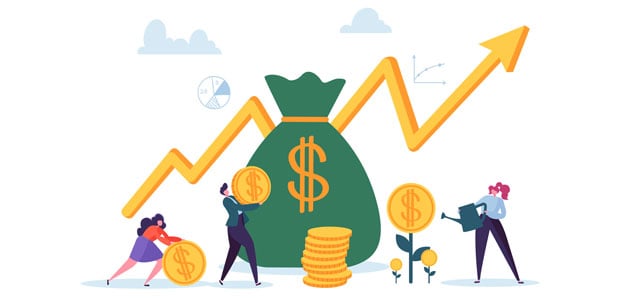
The global value of marketplace unicorns has soared by 70% since January 2020, fuelled by a rise in innovation and adoption as a result of COVID and record-breaking levels of VC investment, according to new figures.
According to research undertaken by GRiD for Mental Health Awareness Week (10th-16th May), of the four in five employees (79%) who currently have health and wellbeing concerns, stress and anxiety is the biggest issue for almost two thirds (62%).