
A new report released at Web Summit, Lisbon, by one of the UK’s fastest growing fintech lenders, Juice, uncovers the hidden behavioural forces driving the UK’s £65 billion SME funding gap, and how lenders, fintech’s, and policymakers must act to close it.

For most startups, building credibility takes a lot of hard work, as they must demonstrate consistency and competence to build trust. They may have a great product or service, but until people trust the brand, growth stalls.

New research has revealed that Generation Alpha expect their jobs to be dramatically different to those of their parents, from the death of the daily commute and email to working regularly with robots at work.

Companies can now access China’s fast-growing innovation ecosystem via a new partnership between UK innovation scaleup Wazoku and InnoMatch, the Chinese open innovation platform.
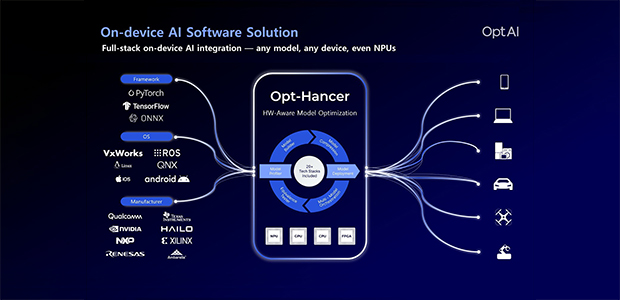
OptAI has announced that it has been named a CES 2026 ‘Innovation Award Honouree’ for its proprietary platform, OptHancer. The award recognises OptAI’s technological achievements ahead of CES 2026, the world’s largest consumer electronics and IT exhibition, taking place this January in Las Vegas.

Menstrual health startup Joii is launching the world’s first AI-powered app that measures period blood volume in the UK, transforming a guessing game into data that doctors can’t dismiss.

In an age where algorithms generate headlines and AI-written content floods our feeds, audiences are craving something more human, which means truth, credibility, and connection are more important than ever.

Once the highlight of the corporate calendar, the office Christmas party has long symbolised celebration, team spirit, and a well-earned end to the year. But recent headlines – and countless social media horror stories – suggest that the shine has worn off.

In today’s fast-paced economy, managing cash flow can be a balancing act. For many, the timing between income and expenses isn’t always perfect. A sudden, unexpected cost or a planned purchase can create a temporary need for a financial boost.

For many startup businesses in the UK, managing health and safety can be one of the most time-consuming and complex parts of running operations. Between writing detailed risk assessments, preparing method statements, and keeping up with HSE compliance, it’s easy for small teams to feel overwhelmed. That’s where RAMS software can make a real difference.

Ada Ventures, the pre-seed investment firm backing inclusive alpha founders across the UK and Europe, has launched an AI-powered pitch deck review tool for founders that allows them to access VC-grade feedback before they share their materials with prospective investors.

If you’re looking to launch a mobile app development business, now is a great time. With millions of mobile devices in use across the UK, demand for innovative mobile applications continues to rise. Whether you’re interested in building native apps, hybrid apps, or cross platform apps, this guide will help you get started. For expert insight and inspiration, you can explore how UK app designers approach the process from concept to launch.

Starling has teamed up with Small Business Britain for a campaign to empower women across the UK to start and grow their businesses.

PitchBook has released findings from its latest investor survey, conducted in partnership with Web Summit. The 10th annual survey captures investor sentiment and trends shaping technology investment and AI adoption.

FALKIN, a digital safety company that helps people stop scams before payments happen, has announced it has secured $2 million in pre-seed funding. The round was led by TriplePoint Ventures, with participation from Notion Capital, BackFuture Ventures, Aviva/Founders Factory, Haatch, Found Capital, and Founders Capital.

A reformed Capital Gains Tax (CGT) regime could be a powerful tool to incentivise wealth creation while boosting long-term productivity, according to research commissioned by Ryan Howsam, CEO of Howsam Ventures and founder of travel insurer, Staysure.

The UK’s Work and Pensions Secretary Pat McFadden has revealed that nearly one million 16–24-year-olds are currently not in work or education, marking the highest numbers in over a decade. This lost generation risks deepening divisions in the labour market, impairing industry innovation, and stalling economic growth.

Swish Solar, a cleantech company based at Velocity, the University of Waterloo’s startup incubator, has closed an oversubscribed $1.5 million pre-seed round. The new financing will accelerate market adoption of its self-cleaning solar technology that helps make renewable energy more efficient and sustainable.
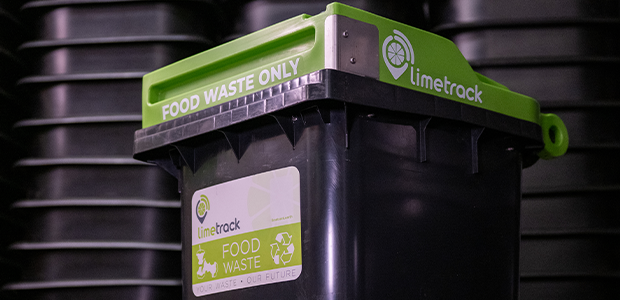
Limetrack, the London-based food waste technology company that helps businesses cut costs, reduce carbon, and meet regulatory requirements through its patented ‘SMART Bin’, announces it has successfully raised over £1.3 million to fund its next growth phase.

HMRC’s latest statistics on R&D tax relief paint a new picture for the UK’s startup ecosystem. While larger and more established innovators continue to claim and invest, small businesses and first-time claimants are increasingly stepping away from the scheme altogether due to compliance measures and a reduction in rates.