Increased digitalisation and the changes to the labour market brought about by the Covid-19 pandemic mean that working from anywhere has not only become possible but also acceptable to an increasing number of people. This is therefore changing the way we work, as well as how we buy, sell and share goods and services.

Logistics is a fast-growing sector of activity, and mobility is essential to our way of life. At the same time, the supply chain sector is the most significant contributor to environmental pollution. It is the first sector in the emission of greenhouse gases and the first consumer of petroleum products.

If the goal is to make your startup a success story, the last thing you want to do is underutilise social media. Platforms like Instagram, Pinterest, Youtube, Twitter, Facebook, and Tiktok present sizable opportunities to grow brand awareness, better customer service, and increase sales.

As COP26 came to a close at the end of 2021, businesses across the globe were given a new sense of urgency to meet climate targets and achieve Net Zero. But while there is now undoubtable agreement that businesses must take on more accountability to reduce their emissions, the question within an organisation often surrounds where this accountability falls.
Starting a new business is an exciting and empowering prospect, but it’s not without significant challenges along the way. In fact, many entrepreneurs struggle to navigate the hurdles of starting a company, with around 20% of new businesses failing within their first two years. Part of giving your enterprise the best chance of avoiding this trend is to embrace the right tools.

When it comes to running a successful, customer-focused business, a strong marketing strategy is key.

CarbonPay, a sustainable fintech platform that offers the planet’s most impactful payment cards and makes everyday climate action simpler, announced the launch of its corporate prepaid offering, CarbonPay Business Ctrl.

Strategy isn’t always the easiest thing to get your head around. But it is always important. Especially for early-stage founders who are short on time and resources, and the future looks like a vast expanse of shiny opportunities.

One in four people will experience a mental health issue this year. There simply aren’t enough clinicians to help the 25% of the population who will suffer in 2022 alone.

The Conqueror Virtual Challenges, an international sensation of gamified virtual fitness events, along with Warner Bros. Consumer Products, announces today a brand new series of five consecutive virtual challenges inspired by the universe of the beloved THE LORD OF THE RINGS film trilogy.

If 2020 was the year that the world was forced to dip its toes into flexible working patterns and 2021 was the year that this became standard practice, what will 2022 bring? Flexible work looks to have cemented itself as the new ‘business as usual’, with over two-thirds of UK businesses now reportedly offering employees remote working options, but the changes haven’t stopped there. As business leaders look to satisfy the world’s growing appetite for greater flexibility and freedom, many are now not only reconsidering where their team can work, but also when.
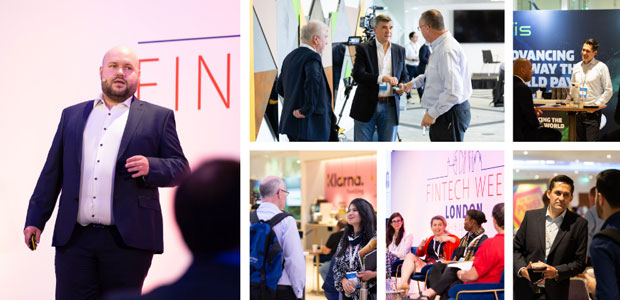
Fintech Week London 2022, the leading event for the fintech community, has re-appointed SkyParlour as its official PR and media relations partner.
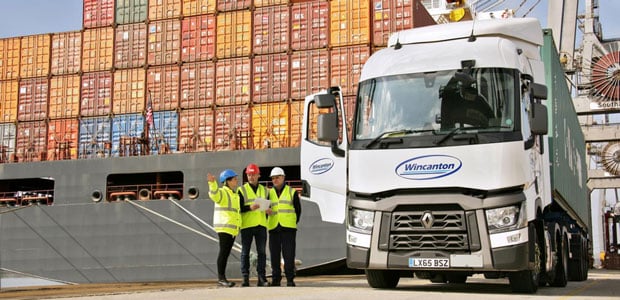
Wincanton, a leading supply chain partner for UK business, has launched the fourth edition of W2 Labs, an innovation lab designed to discover emerging ideas and tackle some of the industry’s toughest challenges. Created and run in collaboration with corporate innovation partner L Marks, W2 Labs is Wincanton’s innovation programme which encompasses a number of initiatives to foster supply chain innovation and bring together an ecosystem of industry-leading partners.

Piper is a people technology business that makes better managers. Founded in 2021, it is building a solution that combines technology and behavioural science techniques that can be used by individual managers to improve their performance in a measurable, ongoing and lasting way. We spoke to Sathya Smith, CEO and founder of Piper to learn more.

New research by Santander has revealed that the average UK worker believes it’s too late to change careers by the age of 45 – because they can’t keep up with technology.

The headline AI event, The AI Summit will be returning to London Tech Week in June. Held at London’s Tobacco Dock on Wednesday 15 and Thursday 16 June, the AI Summit is where commercial AI comes to life. It is supported by tech innovators and global authorities, driven by powerful use-cases from world-business leaders.

With the constant stream of stories relating to the rise of living costs, from heating homes to commuting to work, it is evident that everyone is being affected. As companies face increasing transportation costs, higher employer national insurance contributions, and rapidly growing operating costs due to increased energy prices, there are also emotional and physical consequences for their workers.

It is fair to say that the UK’s tech industry is currently experiencing something of a renaissance period. The sector is booming, and shrewd investors from right across the globe are attracted by the technological innovations that are being made in the country.

itsettled, the pioneering automated credit control platform, has been announced as this years TechNation Rising Stars 4.0 FinTech Award winner.

THE pandemic has undone a lot of the success businesses achieved on gender pay equality, a leading employment expert has warned. Samantha Owen from law firm Harper James said the last two years had led to many women having to experience lesser pay.