Life
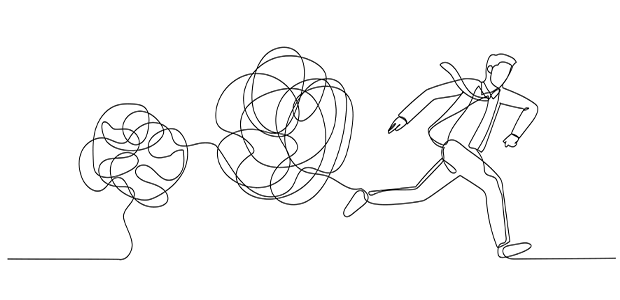
For many people, working, providing for a family, trying to find time for yourself and managing the many pressures of everyday life is tough. This could not be truer for those of us who run our own businesses, especially in a challenging economic climate.
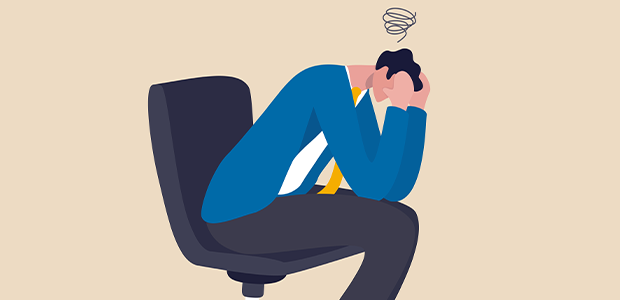
Approximately half of all self-employed people have experienced poor mental health within the past 12 months – 22% worse than the national average.
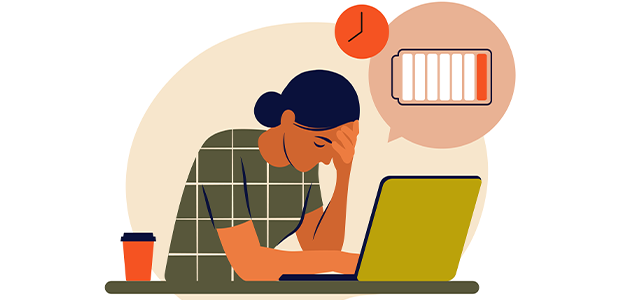
It was November. I’d just come back from almost two weeks in the Canary Islands. I should have felt refreshed and ready to get back into work at Hustle House – the people development consultancy I founded with my friend.
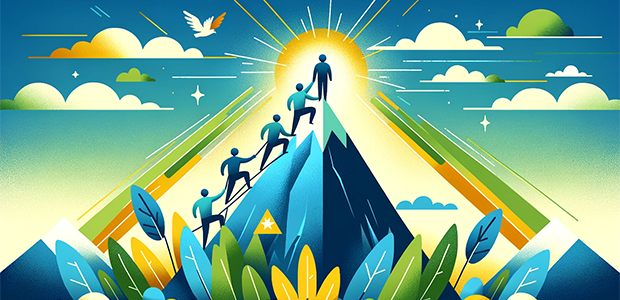
Being at the ‘top’ of any organisation is a lonely position. Earning the title of ‘CEO’ or ‘COO’ is not synonymous with knowing it all. Leaders of all organisations – from large enterprise CEOs to startup founders – face difficulties and unknowns like any human being. There’s the persistent responsibility to energise others, which understandably and consequently results in these individuals losing sight of themselves.
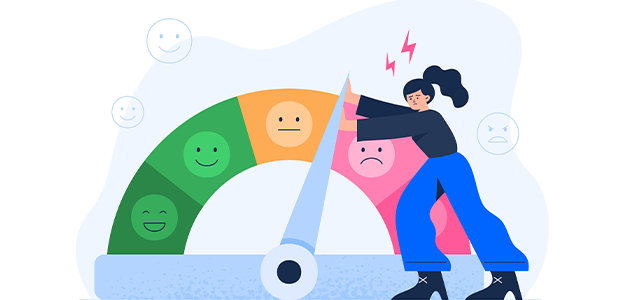
In light of Mental Health Awareness Month, it’s crucial to address the stresses of modern life, particularly those stemming from the workplace. Pressures at work are a part of life, regardless of age, experience, or job title, and it’s not necessarily negative.
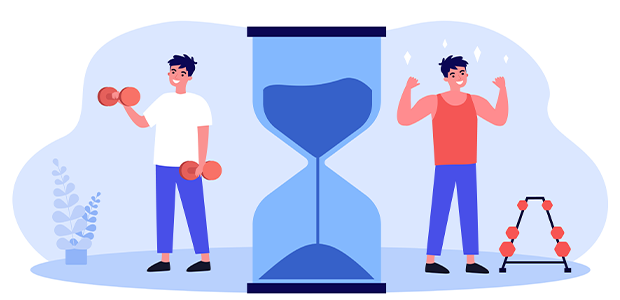
There’s no doubt about it, being a leader, especially of a startup or SME, can be stressful and pressured, feeling we have to wear all the hats and work all the hours, but prolonged periods of stress and pressure is not good for our body, mind, or spirit.
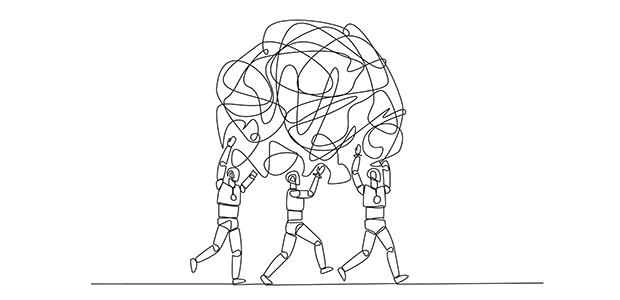
This Mental Health Awareness Week, new research from BT has uncovered widespread anxiety among business leaders about the pace of technological change in the workplace.
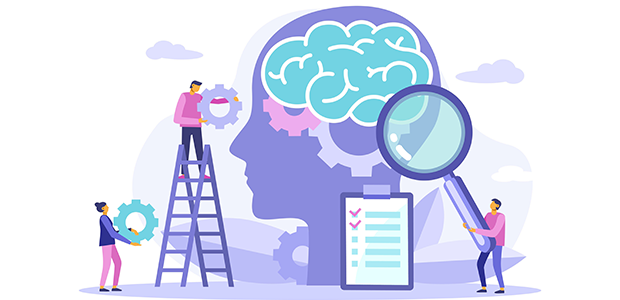
According to MHFA England, poor mental health accounts for over half (51%) of workplace related illness. Research by Deloitte also shows that poor mental health costs UK employers up to £56 billion annually.
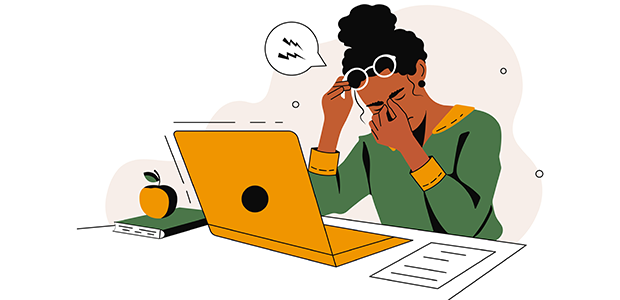
In light of Mental Health Awareness Month, it’s crucial to address the stresses of modern life, particularly those stemming from the workplace.
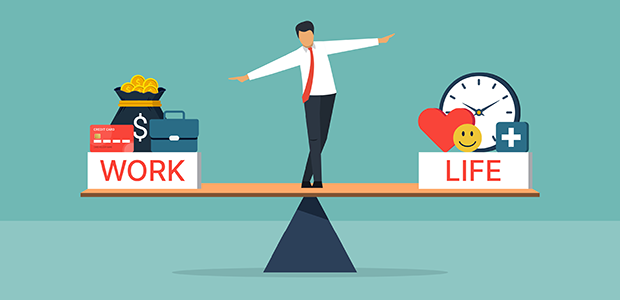
ULTRA VC, an impact-focused EU startup accelerator and early-stage investor, has surveyed startup founders aged 18 to 60+ on how they maintain work-life balance enroute to success.
New research from recruitment company Robert Walters has found that despite 48% of the companies surveyed stating they have clear, business-wide sustainability goals – efforts still seem to be falling short.
This week is Maternal Mental Health Awareness Week (29 April – 5 May). The arrival of a child is undoubtedly a very happy and special time, but it can also be incredibly daunting and stressful, particularly for those who are planning their return to work after parental leave.

New data suggests that more than one in three overworked Brits now feel that their workload is unmanageable, signalling a burgeoning mental health crisis in the UK workforce.
High-functioning anxiety is a broad term for those who live with generalised anxiety disorder but identify as functioning reasonably well and, in some cases, extremely well. It is often overlooked due to its subtle presentation.
Neurodiversity is a term that refers to the diversity of the human brain and how it functions. The term neurodivergent includes individuals who have; ADHD, Autism, Dyslexia, Dyspraxia, Tourette’s Syndrome, OCD, Misophonia and more.
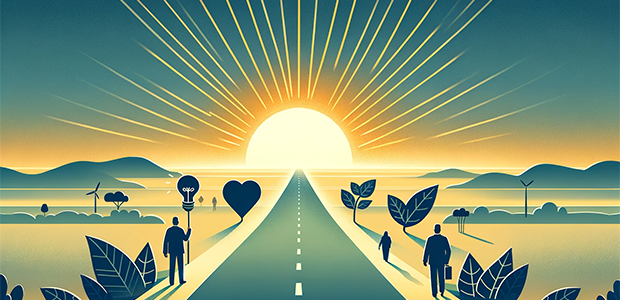
As you grow your business, wouldn’t it be great to think there was a way to extend your life, freeing time to appreciate your accomplishments or lengthen your legacy runway? Imagine having an additional fifty years, or even a century, perhaps.

Balancing life as a globally competitive triathlete with a media career and a new addition to the family was as exhilarating as it was challenging. This juggling act honed my skills in time management and prioritisation, laying the groundwork for my venture into the startup world.

Ever walked into your new job on your first day, and instead of just receiving passwords, paperwork, and calendar invites, you’re greeted with a comfy company hoodie, t-shirt, or a slick embroidered cap?
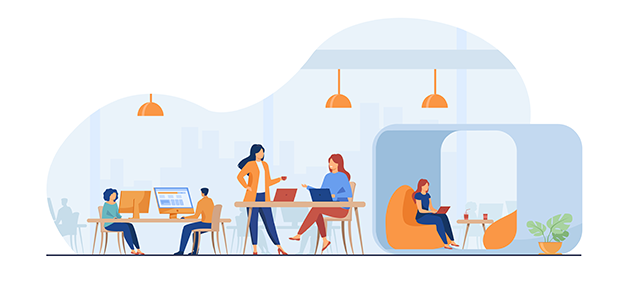
As we navigate the evolving landscape of work, specialists in workplace design and strategy have identified the leading characteristics of office spaces for 2024.
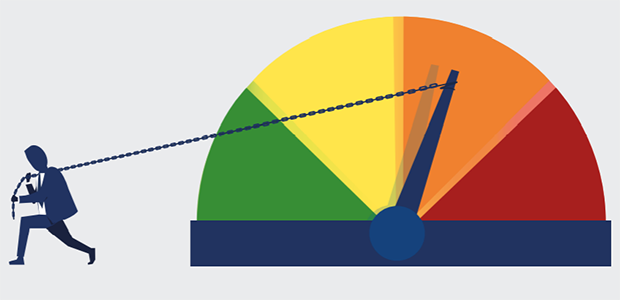
Let’s face it, stress is part of life. No matter what stage of life we are in, it is human nature to carry some stress with us. How many times have you said or heard the words “I am stressed today” or something similar?