Life

For me, it’s personal. As a parent of a severely dyslexic son, time and again I have experienced services, notably in education, that were actively resistant to the potential of technology. To give a very small example as an illustration, my son’s school wouldn’t let him use his mobile phone in the classroom. Instead of allowing him to photograph the white board, say, to capture the homework task, they opted to pay for a teaching assistant to be in class to take notes for dyslexic learners. Technology could have empowered learners and nurtured skills for independence. Instead, it was resisted, and students’ needs were stigmatised.

Pretty much everyone will have mental health challenges at some point in their life – however, not everyone has access to mental healthcare. There simply aren’t enough therapists to go around. Even among those with access, finding your way to the right services for your needs at the right moment is a ‘friction-full’ experience. It is a frustrating process for many and is often overly complex. In the private domain, it’s likely to involve a stress-provoking search through therapist websites. Friends call me to ask how to do it. Or have me do it for them. It’s a very messy terrain for people who aren’t familiar with how it works.

This week is Neurodiversity Celebration Week, which provides a great opportunity to notice and celebrate the many gifts that come with having ADHD and dyslexia.

In the dynamic landscape of startup businesses, mastering the art of transforming ambitious goals into tangible realities is not just advantageous—it’s essential for survival and growth.

Creating a calm office environment isn’t just about aesthetics; it’s a strategic move that reduces stress, supports mental health, and boosts overall employee satisfaction and productivity.
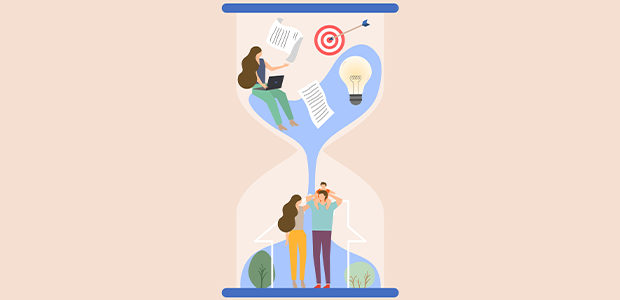
Your average workday is more than just the time you spend on the office premises. It starts when you prepare for your office, and then the commute. The work day ends only after you commute back home and get fresh.

Recent research demonstrates that nearly half of the participants would decline a significant 15% salary increase in favour of maintaining workplace flexibility, even amidst a tough economic environment.

Since starting We Are Founders last year, I’ve been on a quest to uncover the answer to this very question: Why do some people embrace risk while others avoid it? And what motivates individuals to venture out on their own?

Sobering statistics show there is a 117-year wait towards gender parity at the highest levels of corporate leadership globally, according to Global CEO Turnover Index FTSE 100.

FDM Group, a global business and tech consultancy, has revealed seven reasons why workers should consider a career break in 2024.

Businesses are being urged to familiarise themselves with the ‘motherhood penalty’ and introduce steps to eradicate it within their organisations in 2024.

Starting a new job can be tough and when we achieve a new position in our careers, it can feel a little like we’re faking it to make it. Imposter Syndrome, which is experienced by over 60% of UK workers, is experienced commonly as we take on more responsibility.

Female entrepreneurship is a wonderful thing. Gender diversity at the top trickles down, increasing the representation of women in senior roles more widely. Diversity in general aids business performance, boosting the economy in the process. Plus, we need women at the helm of businesses to create products and services that answer to the needs of the female half of our population. So why, given all these benefits of female entrepreneurship, did I feel a little uneasy when I heard that there’s been a significant rise in the number of female founders?

It’s been a busy period in the open banking space. In June, the European Commission (EC) put forward its long-awaited proposals for updates to the Payment Services Directive (PSD2), which – aptly – will lead to PSD3.
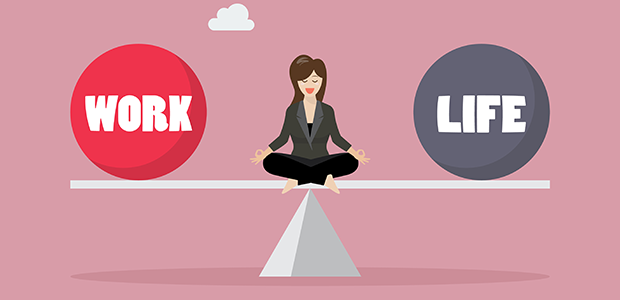
If you’re a startup founder, you’re probably passionate and committed to your job. It’s not like you just let the business take care of itself.

When the dragons in Dragons’ Den say to the entrepreneur ‘Would you like to go and talk to the wall?’, that wall moment, for me, is like journaling. A quiet moment, to hear yourself think, untangle the data to decide what feels right and emerge clear-eyed.
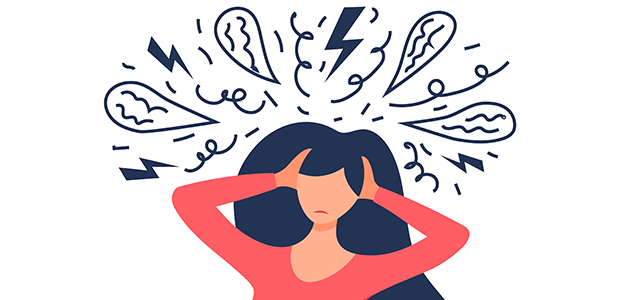
A study involving 4,383 employees has uncovered a rise in anxiety and stress levels among professionals, with a third reporting a constant state of tension.
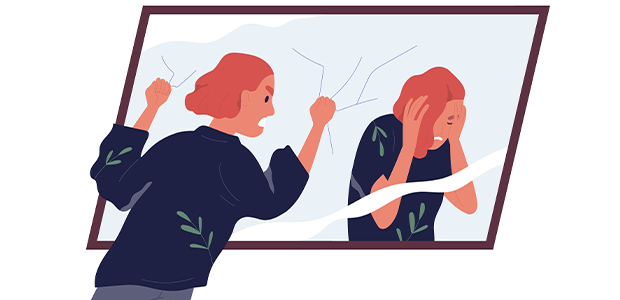
In the fast-paced and competitive world of business, the drive for success often comes hand-in-hand with self-criticism. The inner dialogue that whispers, “I’m not good enough,” can be a pervasive force that hinders professional growth and stifles innovation.

Everyone has a story. Mine just happens to involve a battle with mental illness and how I thought something that would ruin my life has reshaped it.

Transform Your Thoughts. Overcome Anxiety and Limiting Beliefs. Achieve All You Desire