Features

Artificial intelligence is reshaping healthcare. From diagnostic imaging to patient monitoring, AI systems are being deployed to enhance efficiency, accuracy, and access to care. But in a field where lives are at stake, innovation cannot come at the expense of safety. This is why regulation in AI health technology is not a bureaucratic obstacle, but a foundation for trust and sustainable adoption.

Change isn’t easy. But here’s a secret: it isn’t rocket science either. In fact, the biggest obstacle isn’t technology, process, or even funding. It’s people and sometimes, the loudest messages about how people are responding to change come not in words, but in silence.
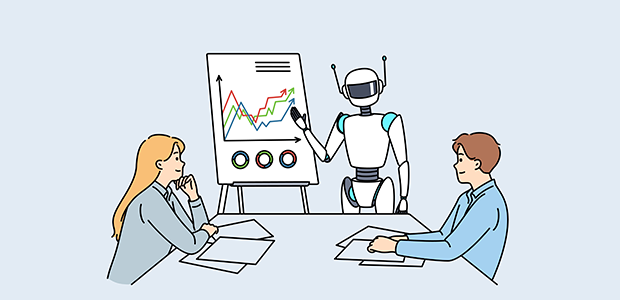
Just three years after Open AI captured the world’s attention with the release of ChatGPT, artificial intelligence (AI) is already changing the way that scaleup companies innovate, operate, and compete. Despite this, one area has so far avoided serious discussion, namely how AI could transform corporate governance and provide a competitive edge.

In the rush to launch, scale, and secure the next funding round, it is understandable why many startup founders treat terms and conditions (T&Cs) as an afterthought.

Small businesses are embracing Artificial Intelligence (AI), utilising its accessibility to optimise processes and unlock efficiencies. Resource-intensive and time-consuming tasks such as Research and Development (R&D) can be fast-tracked, shortening time to market and accelerating growth. However, entrepreneurs and innovators need to tread carefully if they want to maintain a competitive edge.

The 30th UN climate conference takes place from 10-21st November 2025 in Belém, Brazil. It will bring together world leaders, scientists, non-governmental organisations, and civil society to discuss priority actions to tackle climate change.
But who actually cares? Research shows that compassion about climate change is in freefall.

Frankie Bridge, CEO and Founder of Faves, began her career in the spotlight at just 12 years old. She never imagined her passion would evolve into a long-standing pop career. From her early days in S Club Juniors to continued success in The Saturdays, Frankie has remained a familiar face in the public eye.
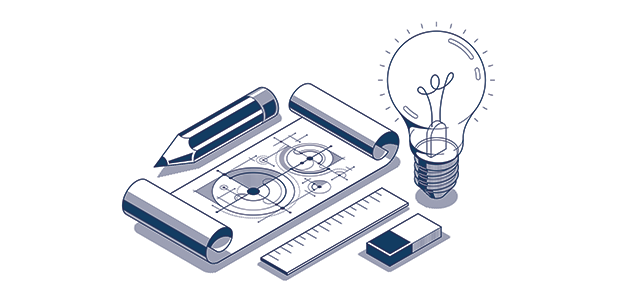
Prototyping is a powerful way to turn ideas into something tangible fast. A prototype can help you explore different concepts, validate assumptions, and gather user feedback before investing serious time and money in full-scale development.
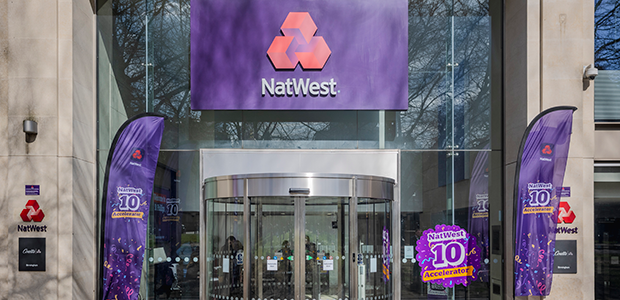
The NatWest Accelerator programme has undergone a significant transformation, building on a decade of success supporting entrepreneurs across the UK. As part of its evolution, the bank saw an opportunity to modernise the programme, making it more accessible and relevant to a wider audience of founders.

For UK business leaders, the outlook for 2026 is cautiously optimistic yet undeniably complex. Growth forecasts hover just above one percent, while global tensions, high costs and the relentless advance of AI keep many plans in flux.

When the Government launched its Small Business Plan in July, its late payment reforms promised a radical transformation with headline-grabbing 60-day payment caps, mandatory 8% interest, and new powers for the Small Business Commissioner.
The average lifespan of a Chief Revenue Officer is less than two years. That’s less than the life of a hamster. The startups they preside over don’t fare much better: 90% of startups will fail within three years and only 2% of scaleups make it to Series D. Overall, three-quarters of venture investments bite the dust.
Businesses must stay efficient without losing their competitive edge. When scaling, whether through organic growth or acquisition, using the right tools and technology can streamline operations, reduce manual overhead, foster clear communication, and improve both physical and cyber security measures – all essential factors for sustainable growth.

If you’re a small business owner, you’re probably used to watching the pennies and pounds; paying staff and suppliers, saving for tax bills and working out how much you can pay yourself.

It goes without saying for entrepreneurs, employees, and students alike; everyone’s busy, but at what point do you become too busy? It’s an eternal conundrum, as people drive for success without it being at the expense of their mental health.

Sustainability is everywhere. From investor decks to packaging labels, every business seems to have a ‘green strategy’. But it’s also true that sustainability has suffered setbacks in recent years. Some large corporations have quietly rolled back their climate commitments or deprioritised their ESG targets in response to political pressure.

The joy of the festive season is all about connection – spending traditions together, creating special moments, finding that perfect something that lights up a loved one’s face. Yet, for e-commerce, this time is also the biggest commercial battleground of the year, and it usually starts much earlier than December: 65% of shoppers start their gift search before November.

Victoria Beckham’s recent Netflix documentary offered an unexpectedly candid look at the financial realities of building her luxury fashion brand. The documentary revealed that Victoria Beckham Limited had been operating “millions of pounds in the red” despite significant investment from David Beckham.

Forget the usual choice – big tech capitals are no longer the only places to build a thriving startup. Emerging European cities are carving out their own innovation hotspots, offering founders advantages that the biggest hubs can’t match.

In an age where AI can generate business plans in seconds, draft marketing copy at the click of a button, and even stimulate human conversation, it’s easy to overlook the importance of human interactions when it comes to growing a business.