Features
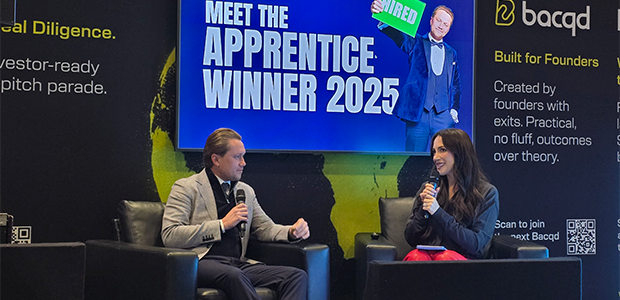
Dean Franklin is the winner of The Apprentice 2025 and Founder of ADL Air Conditioning, and at The Business Show 2025, he discussed starting a business during lockdown, his experience on the show, and how life has changed since the big win.

I love the British startup community. Its founders are filled with creativity, talent, and a sense of fairness and purpose. However, when I started my climatetech career at Greentown Labs, the US’ largest climate tech incubator, I could tell the energy was different.

For most startups, building credibility takes a lot of hard work, as they must demonstrate consistency and competence to build trust. They may have a great product or service, but until people trust the brand, growth stalls.

Once the highlight of the corporate calendar, the office Christmas party has long symbolised celebration, team spirit, and a well-earned end to the year. But recent headlines – and countless social media horror stories – suggest that the shine has worn off.

In today’s fast-paced economy, managing cash flow can be a balancing act. For many, the timing between income and expenses isn’t always perfect. A sudden, unexpected cost or a planned purchase can create a temporary need for a financial boost.

Outreach is a network problem. Stop the scattergun strategy; data-driven networks are the smarter way to solve it, explains Luke Ibbotson, Manager at commercial data solutions provider JMAN Group.

In an age where algorithms generate headlines and AI-written content floods our feeds, audiences are craving something more human, which means truth, credibility, and connection are more important than ever.

The UK’s Work and Pensions Secretary Pat McFadden has revealed that nearly one million 16–24-year-olds are currently not in work or education, marking the highest numbers in over a decade. This lost generation risks deepening divisions in the labour market, impairing industry innovation, and stalling economic growth.

If you’re looking to launch a mobile app development business, now is a great time. With millions of mobile devices in use across the UK, demand for innovative mobile applications continues to rise. Whether you’re interested in building native apps, hybrid apps, or cross platform apps, this guide will help you get started. For expert insight and inspiration, you can explore how UK app designers approach the process from concept to launch.

For many startup businesses in the UK, managing health and safety can be one of the most time-consuming and complex parts of running operations. Between writing detailed risk assessments, preparing method statements, and keeping up with HSE compliance, it’s easy for small teams to feel overwhelmed. That’s where RAMS software can make a real difference.

Startup founders must prepare for every financial eventuality when planning a successful business year. Explore the essential expenses every business must account for when starting. Being aware of these expenses will help you level with your industry competitors in 2026.

HMRC’s latest statistics on R&D tax relief paint a new picture for the UK’s startup ecosystem. While larger and more established innovators continue to claim and invest, small businesses and first-time claimants are increasingly stepping away from the scheme altogether due to compliance measures and a reduction in rates.

In my recent article published by Startups Magazine – India: the global deeptech launchpad – I described how India’s deeptech ecosystem is booming and opening immense prospects for innovators around the world.

Commercial success for any startup requires more than a neat idea. Yes, great technical skills and a cool idea are an excellent start. However, you need a solid business plan and the drive to turn your vision into a reality. And it helps if you also have the right interpersonal skills to help bring your ideas to life for investors, customers, and your team. This is true for all new ventures. But it’s particularly true for tech startups and any business built on technology. Why? Because these so-called ‘soft skills’ help translate technology into real-world value.

When you’re building a business or entering into a property deal, you often start from a place of trust. You want to believe in people, especially those who promise growth, and who your vision as you do. But trust without verification can cost you dearly.

Most founders and business leaders in the UK tech scene will be familiar with the Enterprise Management Incentive (EMI) scheme. For years, EMI has been the gold standard for enabling ambitious companies to offer meaningful equity upside to top talent, balancing both employee reward and employer affordability. It’s become fundamental to how high-growth businesses attract and retain the best people, particularly in fast-moving sectors like AI and technology.

It’s been a bruising few years for the global dealmaking market. Between trade wars, political upheaval, and ongoing economic turbulence, businesses have faced strong headwinds in the past five years, and the economic forecast isn’t looking much calmer.

Since the launch of Vision 2030, Saudi Arabia has been shaping one of the world’s most ambitious entrepreneurial transformations.

Most managers don’t hover because they love control. They hover because they care. They want things to run smoothly, for standards to stay high, for the work to shine.

Any startup founder will tell you that the early years of building a business are defined by financial uncertainty. Cash flow is inconsistent. Revenue doubles one year, halves the next: that’s just life in the startup trenches. You run lean, you hoard cash, and you survive on adrenaline. Your business is your baby, and every spare penny must be reinvested to fuel its growth.