Features
When starting a new role such as a director or managing director, or even a departmental manager, it is fundamentally important for future success in the role and for the company, that you quickly understand the people and learn their views and perceptions.
More companies than ever expect – and even demand – that employees adopt an entrepreneurial mindset. A close look at current job descriptions reflects this trend: About half of all ads for jobs emphasise that applicants demonstrate an entrepreneurial mindset. The pandemic likely intensified this trend. Samantha Dewalt, Managing Director of the Lehigh@NasdaqCenter, and Anh Dinh, Research Fellow at Lehigh@NasdaqCenter and Head of Accreditation at the University of Hohenheim, discuss what an entrepreneurial mindset is, and how to put it into action.

The cost of an office can feel hard to justify for startups. Commercial rents remain sky-high, and with hybrid work the new norm, vast sums of money are wasted on empty desks. But spending time in the office is invaluable for building company culture and lifting productivity. And with research showing startups with an office presence scale 3.5 times faster than those that operate fully remotely, having a physical space seems like a no-brainer.

Times remain tough for startups. Any opportunity to strengthen the business and to grow is a vital metric to compete on in a challenging economic environment.

As an entrepreneur in today’s fast-paced business world, adopting a holistic approach to business planning may be better for one’s mind, body and soul. By embracing a holistic approach, you align your purpose, passion, and profit, creating a business which resonates with your deepest values and aspirations. It is never only about chasing financial success; it is about building a business reflecting who you truly are and what you believe in.
Podcasts are one of the most popular ways to consume content in the 21st century, with over 19 million listeners in the UK alone. Listen on your daily commute, as you clean the house, or even as you work if you’re an A-star multi-tasker, keeping you entertained whilst you live your life.
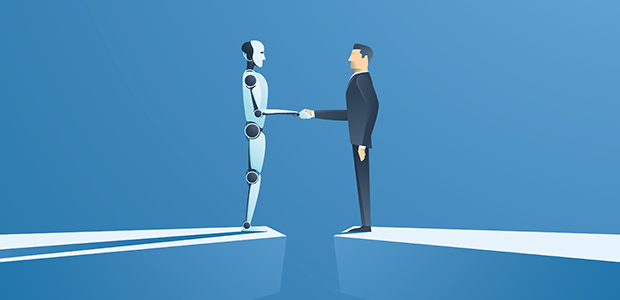
One of the opening keynotes at Dublin Tech Summit this week came from Dr Patricia Scanlon, Ireland’s first AI ambassador, which explored the opportunities and challenges ahead in embracing AI.
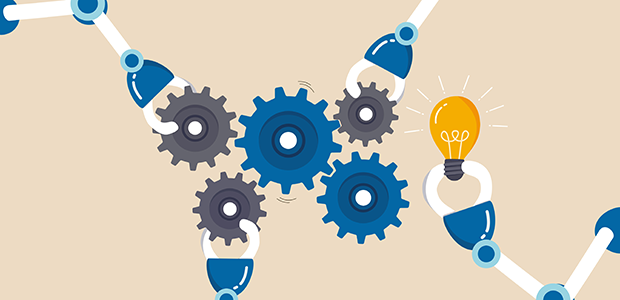
AI expert Emad Mostaque commented that large AI models will only get “crazier and crazier” unless more regulation and control is taken. As the EU AI Act progresses, what challenges or priorities should businesses be on guard for?
Altruism is an important quality that helps us create a better society by helping others selflessly without expecting anything in return.
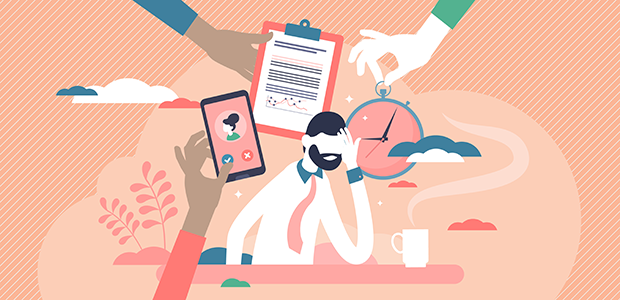
The road to startup success can be a long and uphill one, and it doesn’t have many pitstops to rest your weary legs along the way. You want to be a winner, not a quitter, and the 24/7 grind ethos has long since been a part of founding a company. But the way we build businesses needs to change for the sake of our entrepreneurs’ mental health.
In recent years, we’ve seen a surge of interest towards influencer marketing, social media and short-form video content in the marketing sphere – with email marketing looking rather tired and outdated by comparison. So, just like the fax before it, is it time to consign email to the scrapheap and open a TikTok account? Well, not quite.
The fiscal conditions of the last few years have caused unprecedented disruption to the financial security of Britain’s workers, bearing long-term consequences for the finances of many UK employees.
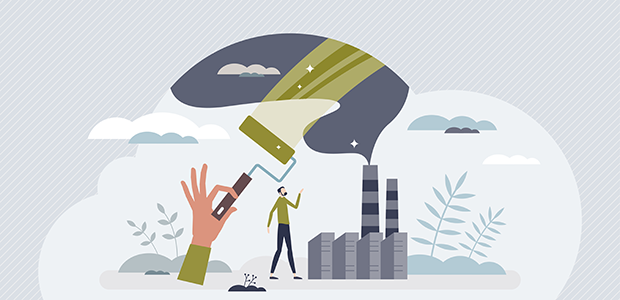
Corporate greenwashing is not always deliberate but can be the result of extremely poor measurement practices in the field of sustainability and ESG, a sustainability expert has said. Chris Bennett, founder of sustainability services company Evora Global, has highlighted the issue of poor ESG measurement leading to a lack of clarity for many on sustainability issues.
Myles Dickinson took the entrepreneurial world by storm at the beginning of the year when he appeared on BBC’s Dragons’ Den as the youngest EVER solo pitcher and caught the eye of formidable dragon, Steven Bartlett.

Pitch decks and business plans are a very common area for discussion amongst founders and early-stage business owners, especially if those businesses are seeking to raise external funding in any way. And this is as it should be, as these two documents are essential foundation stones for both understanding and running your business, and for raising finance.

Craft, the company building the future of documents, has revealed how incorporating low-maintenance office plants can improve your productivity.

Greenwashing poses a huge risk to brand reputation, investment prospects and the planet, yet often we think of it as a crime only committed by large, faceless corporations. But the broad definition of the term and increasingly tighter regulations means businesses of all sizes may find themselves subject to greenwashing allegations. There are, however, several steps businesses can take to feel confident in their green claims. Hugo Kimber, CEO of carbon accounting firm Carbon Responsible offers his advice.
For over six years, I’ve been CEO of BetterMe – a health and wellness platform based in Kyiv, Ukraine that caters to users worldwide by providing a tailored, bio-individual approach to fitness and wellbeing.

A successful business needs a well-built and well-designed website in this modern digital era. Nowadays even a small family business has its own website. Having a unique and memorable website is important if you want to build brand recognition, differentiate yourself from your others and stay in the memories of your visitors.
It’s 2023 and we are truly living in the digital age and all well aware of the rapid rise of social media. In fact there are over 2.5 billion monthly active Instagram users and TikTok, 30.8 million. With this, entrepreneurs and influencers have become much more aware of personal branding and its importance in building a cohesive online presence. Having a powerful personal brand is critical for both personal and professional growth.