Features
My path to the C-suite level hasn’t exactly followed a usual route, I’ll admit. I believe that’s where my strengths lie: I don’t mind doing things a little bit differently than you’d expect, and my unorthodox journey has been full of surprises.

How many times have you been invited to what sounds like a truly insightful, informative, business event… only to find that the panel is made up exclusively of white men?
In today’s fast-paced business environment, companies are always looking for ways to streamline their sales and customer support processes. One effective way to do this is by automating these processes using auto dialling systems.
The UK is experiencing widespread levels of stress, anxiety and hopelessness in response to financial concerns. As a result, The Mental Health Foundation asks for government action on supporting people at higher risk and preventing mental health problems.
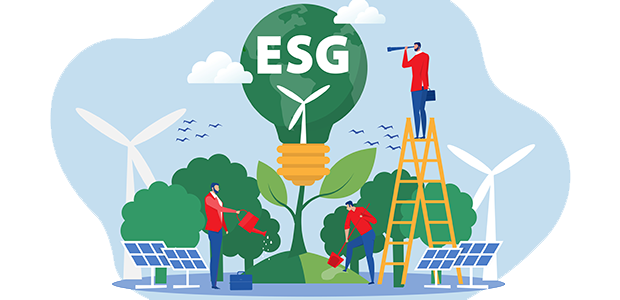
Environmental, Social and Governance (ESG) has been the corporate craze of recent years: the route for global giants to flex their eco and workforce credentials, and an excuse for business consultancies to generate endless new reports and frameworks. But the biggest corporate secret is that, when it comes to ESG credentials, startups consistently steal a march on their rivals.

Despite the ups and downs of startup funding over the past year, several areas continue to draw interest from investors – and medtech is one of them. That’s especially true of startups looking to apply AI to healthcare, a sector where angels and VCs believe smarter diagnostic tools and better drug development pipelines can result in major cost savings.

As leaders in business, we constantly strive to accelerate innovation, efficiency and productivity within our teams. With over two decades of experience behind me I’ve had the opportunity to reflect on what’s made me the leader I am today, what I saw in others that impacted the way I work, and why I have ultimately come to understand that creating a culture of coaching is the primary driver of success.

Due to the current global economic downturn, startups are finding it harder than ever to access the capital needed to grow their business. Funding has dried up almost overnight with investors shying away from taking risks as they come under greater pressure to make a return in the midst of the cost of living crisis.

At a time when the UK’s digital skills gap is wider than ever and great candidates are like gold dust, there is a massive challenge for companies to recruit new staff in the technology sector.
Chargebacks are a significant issue for businesses, especially those that operate online. Whenever there is a chargeback, the company loses money and risks its reputation with customers.

The UK is grappling with a mental health crisis with eight million people waiting patiently to be seen or not deemed sick enough to be seen. The NHS is overwhelmed, and many private mental health clinicians have waiting lists of up to six months!
It’s Mental Health Awareness month and this year’s focus is on anxiety, something most of us are unfortunately more than familiar with.
Turning an idea into a reality is an exhilarating pursuit.

You know the phrase ‘two nations divided by a common language’? Apparently coined by George Bernard Shaw about Britain and America, it could just as easily be said about different – and sometimes warring – factions in companies. In particular, sales and marketing.

Ask any early-stage business owner and they will tell you that getting funding to scale can be tough. Very tough. All will tell you that it takes much more time and effort and takes much longer to complete than they had expected. And all will tell you that raising finance is a massive distraction from actually running and growing the business.
Funding for your business can, in theory, come from many different places. It can be self-funded from your own resources, otherwise known as bootstrapping, or you can ask friends, family, and others that know you, to assist.

Mental Health Awareness Week only started two decades ago in 2001. Luckily, since then mental health in the workplace has grown in importance. However, there is still so much real change needed in workplaces to provide better mental health support for employees. Many companies now have mental health policies and guidelines, but in reality, aren’t supporting their employees. Mental Health Awareness Week should be a significant date in the calendar for startups.

When it comes to workplace mental health initiatives, self-employed people and small businesses are often overlooked. But the truth is, these groups need mental health support now more than ever.

People are the most important part of any business, and looking after their health and wellbeing is a top priority for most organisations – we know that a happy and healthy workforce is an engaged and productive one.

I run a recruitment business for startups, typically helping companies 10-50 employees to help them make key hires and scale their team. Our team gets to talk to founders and leaders about their hiring challenges and plans, as well as people that are thinking about their careers and what they would want if they were to take a new role.