Features

I believe the culture of innovation in the UK is something quite unique. Other than its thriving financial and business service sectors, the country has nurtured over 70 unicorns over the past 20 years.
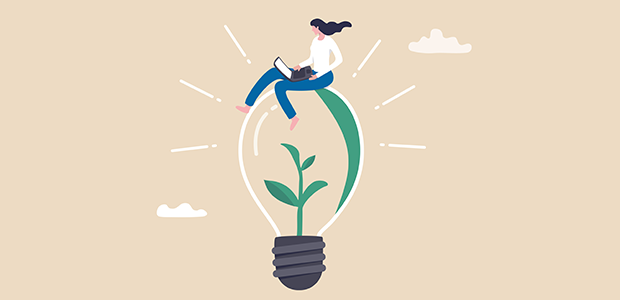
Embracing sustainability as a startup is not only a responsible decision for the environment but can also contribute to your business’s long-term success and reputation. The concept of sustainability has transcended its status as a buzzword, and has transformed into a fundamental ethos that drives businesses towards responsible practices, long-term viability, and positive societal influence.
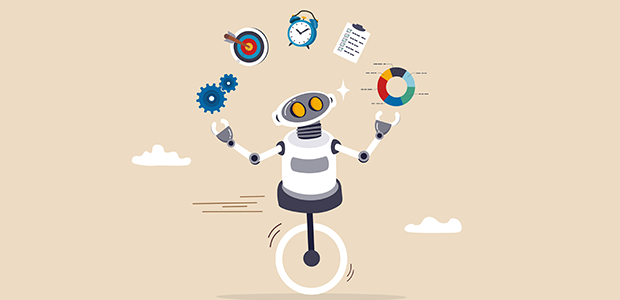
AI has emerged as a prominent focal point in the minds of startup businesses in 2023. The remarkable advancements in AI are impossible to overlook, capturing global attention and dominating headlines worldwide. Around 15% of all businesses have adopted at least one AI technology, which translates to 432,000 companies.
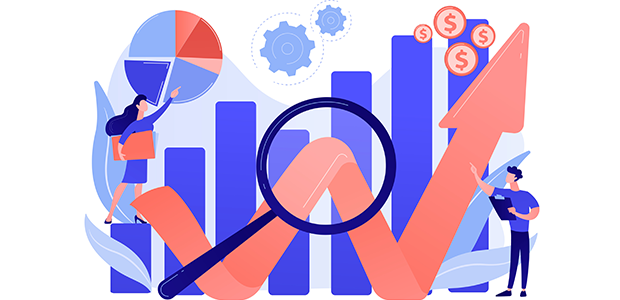
Launching a startup is difficult to say the least. Common thought is that the average time it takes for a company to begin turning a profit is three years – and some of the largest companies today have been through the so called “valley of death” – when a startup is still generating negative cash flow.
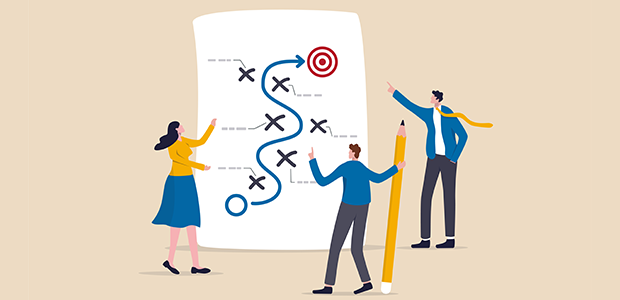
When an idea begins to take shape, it often exists as a vision within an entrepreneur’s mind, a business plan breathes life into this vision by converting thoughts into goals and objectives. It compels entrepreneurs to dive into market research analyse industries meticulously and gain insights about customers. Through this process clarity emerges, transforming what once seemed elusive into a defined path.

It seems strange to me that a parent, teacher or family friend will ask a young child, often just four or five, a grown-up question: ‘What do you want to be when you grow up?’ Perhaps one in 100 kids will go on to become a firefighter, a doctor or an astronaut, but do we really expect someone so young to have the clarity required to answer that question?

There’s a lot of advice out there on how to be a great public speaker, from articles, to podcasts, to conference talks about how to deliver a conference talk, but there are many challenges to navigate before you even get on stage.
It was 1961 when computer scientist John McCarthy stood in front of MIT’s audience and famously foretold the future of computing — one where it would be sold like a utility, similar to electricity or water.

Once upon a time a cricketing legend called Kumar Sangakkara co-founded a tech company and creative entertainment studio, called Behaviol. Along the way he met a visionary called Chris Ebeling, and together, they are recreating the genre of sports entertainment.

Studies have shown that micromanagement has a detrimental effect on employees – the Journal of Experimental Psychology reported that employees who feel they are being micromanaged perform at a much lower level.

In the dynamic world of startups, many embark on their entrepreneurial journey driven by a compelling idea and unwavering passion. Teams invest their valuable resources—time, money, and talented individuals—wholeheartedly into bringing that idea to life. However, the unproven road they tread carries inherent risks and uncertainties. Is it truly worth sacrificing one’s life savings and devoting endless hours to an idea that may not yield the desired outcomes?

One of the things you need to set in motion as an early part of your journey is set up the indicators you will use to measure progress and ensure that lessons are continuously captured as new iterations of your product or service emerge.

Feel like you might be missing something? Show you mean business with a professional website. You wouldn’t run a business without a plan for growth, so don’t run your business without a website and professional email address.

Mark Zuckerberg. Bill Gates. Jeff Bezos. What do they all have in common? Aside from being billionaires, they all had a background in tech before launching their startups. In fact, their technical expertise formed the bedrock of their future companies.

There are many things to consider when setting up a tech startup. From software to office use and design, plus having a sound business plan in place, the to-do list is likely to be long in the early stages.

In today’s fast-paced and data-driven workplaces, striking the right balance between being fair and understanding towards employees is crucial for a thriving work environment. With the increasing integration of Artificial Intelligence (AI) in various aspects of business, employee performance assessment and wellbeing initiatives are undergoing significant changes. In this article, we will explore how AI can enhance fair assessments while highlighting the importance of empathy in creating a supportive and happy workplace for employees.

There is little sign of relief on the horizon for the hard-hit UK consumer, with UK inflation coming in hotter than expected at 8.7% in May.

Startups and small businesses usually thrive on innovation. But what if they could apply novelty to their marketing efforts? The Metaverse is a growing marketing tool for companies worldwide. While it may seem like a domain reserved for large corporations, startups can also capitalise on it to enhance their marketing strategies, offer immersive audience engagement, and extend their brand in virtual reality (VR).

Since the days of silent movies, Los Angeles has been synonymous with Hollywood and creating great cinema. But red carpets and dazzling spotlights are no longer the only art form claiming authority over Tinseltown. Since the name Silicon Valley was penned in the 1970s, the tech world has also been making a name for itself in this sun-soaked city.

Meet Sarah Malter, the entrepreneur behind Kapitalise and Creative Adversity. Hailing from New York, Sarah’s upbringing around technology and her passion for performance paved the way for her diverse educational journey, which led her to the world of fintech, female founders, and entrepreneurship.