Features

Navigating the current fluctuations in the UK energy market poses challenges for small and startup businesses seeking to invest in green projects. As we make strides towards meeting the UK’s 2050 net zero targets, it is now more critical than ever to enable businesses to achieve their net-zero goals.

From in-person drops to online queues, to raffles, to bots and scalpers – how did buying a pair of trainers become so difficult?

With an ever-growing need for solutions to combat climate change and drive decarbonisation, cleantech continues to grow at an accelerated rate, with female founders increasingly at the forefront of developing smart and sustainable solutions.
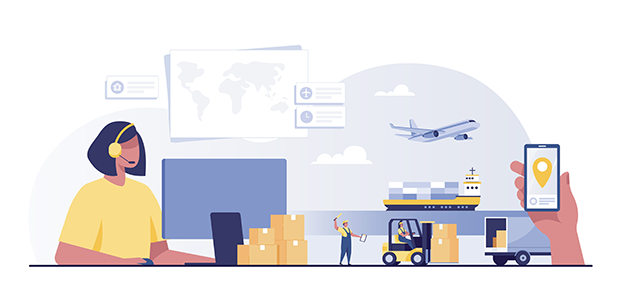
In a world rapidly shaped by technology, even the most traditional industries are experiencing profound change.

The UK economy suffers a loss of £1.5 billion every year due to STEM (Science, Technology, Engineering, and Maths) skills shortages, and the future of engineering has never been more important. With a shortage of 173,000 workers, 49% of engineering businesses are struggling to recruit skilled workers.

As the landscape of energy costs continually evolves, pursuing financial prudence has led many small businesses to explore switching energy suppliers.

The security threat landscape is rapidly evolving, and the emergence of AI-powered cyber attacks means that businesses of all sizes risk more frequent and sophisticated breaches than ever before.

“From the biggest rocket to the smallest adult pleasure aid, all devices are at risk of attack,” says Simon Bain, OmniIndex CEO.

Heather Delaney, Founder, and Managing Director of award-winning communications consultancy Gallium Ventures is an expert in growing brands and launching products or services, creatively. Heather specialises in building and fixing global organisations and startups alike — from their communications strategy to product development and everything in between.

“Think about how a tree grows. It doesn’t merely reach towards the sky; it extends its roots into the earth to establish a foundation.” – Nancy Steidl

Many charities rely on the support of generous businesses, giving companies the chance to contribute to philanthropic causes. Not only does this help the charity but can also have huge benefits for your business.

As the world becomes more interconnected, entrepreneurs and inventors face unique challenges in bringing their products to market. From ideation to manufacturing to marketing and beyond, the process can be daunting and complex. Anglia Unicorn has been set up to assist you in overcoming these challenges by offering end-to-end technical support to help turn your vision into a reality. Whether you need support for the whole journey to market, or just with specific challenges, we are here for you.
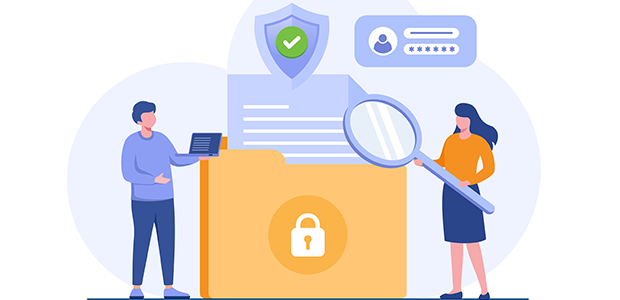
The digital revolution has brought incredible opportunities, but it has also exposed us to increasing cyber threats. Cyber-attacks are on the rise globally, with an alarming 60% of European SMEs closing within six months of an attack due to the financial losses they cannot afford.

Every entrepreneurs’ success story is unique and the lessons that they’ve learnt along the way have shaped their trajectory. To celebrate World Entrepreneurs’ Day, we’ve collated advice and anecdotes from global technology leaders on what they’ve learnt in their journey to success. Below, you’ll hear from six leaders from Slack, Glovo, Shopify and more.

In the vast ocean of startups, each venture is a vessel navigating treacherous waters, aiming to reach the promised land of business success. But how does one ensure they’re on the right course? How does one command attention in a sea teeming with competition?

Cyber security has been a topic high on the news agenda this month, following the cyber-attack on the UK electoral register and the Northern Ireland Police data breach over the past few weeks.

Climate tech founders have a vision for a much-needed solution that can move the needle on climate change. But turning that vision into a reality takes more than just passion. It takes funding and great execution, particularly in sales. There will be no measurable impact without hardcore sales performance.

“Success belongs to those who never give up.”
As it’s Never Give Up Day (Friday 18th August), I would like to share with you 6 things that helped me when I felt like giving up!

Next month (5th September), a significant milestone will be reached in the UK’s Big Switch Off journey. BT Openreach will be implementing the national stop sell of analogue phone systems. This move is set to reshape the traditional method of communication forever, but what does this mean for businesses across the country?

Flexible workspaces have soared in popularity in recent years, with their many benefits, such as the increased possibility of collaboration, streamlined scalability and the option to support hybrid working positioning them as a truly valuable resource for businesses of all scales. These flexible workspaces hold the potential to reignite urban regeneration, creating a mass wealth of benefits for both businesses and the local economy alike.