Speed and reliability have become the foundation of any good online experience. Now, shoppers expect sites to load without hesitation, checkouts to work flawlessly, and performance to hold steady regardless of device or demand. Data reflects this shift too, with a two second delay being enough to double bounce rates. When experience falters, customers rarely wait. Instead, they’ll move on to the next merchant offering the same product with a smoother journey. In a market where alternatives are just a click away, even brief moments of friction can mean a lost sale.

Cyberattacks are no longer limited to large corporations, in fact 42% of small and medium-sized businesses (SMBs) reported experiencing a cybersecurity breach or attack last year. For SMBs, a single breach can lead to severe consequences. In fact, six in 10 (60%) small companies go out of business within six months of a cyber-attack. From ransomware and phishing to leaked credentials sold on the dark web, today’s attacks are more frequent, more sophisticated, and more damaging.
Research from the British Chamber of Commerce reveals that 43% of small and medium sized businesses (SMBs) have no plans to use Artificial Intelligence (AI), despite a growing acceptance by businesses that it will help boost productivity. Only a quarter (25%) say they are using a specific AI technology, with 24% planning to in the future.

In a world where a single tweet can launch a brand or a viral TikTok can transform a small shop into a global phenomenon, digital literacy is the difference between SMBs thriving or falling behind. Today, entrepreneurs are faced with a new reality: digital hesitancy is just as – if not more – important than understanding business cash flow or generating sales.
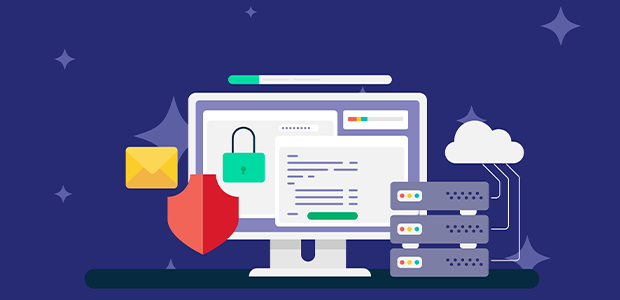
Cloud hosting platforms are the hidden backbone behind the seamless operation of websites and applications, yet many SMEs and solopreneurs remain unaware of their potential. So, what exactly is a cloud hosting platform? At its core, it’s a service that hosts websites, applications and data online, ensuring businesses operate seamlessly across a network of connected servers.

In the age of the always-on economy, even the mightiest of businesses are vulnerable to the debilitating effects of digital downtime.

The pandemic changed consumer shopping patterns, with 26% of all official retail sales now coming from internet sales. This transformation has prompted small and medium-sized businesses (SMBs) to redefine their customer engagement strategies, embracing innovative digital marketing approaches to captivate and retain loyal customers.

In times of economic uncertainty, small and medium-sized businesses (SMBs) may contemplate reducing their prices to attract cost-conscious consumers in search of a bargain. However, this short-term tactic may prove unsustainable in the present economic climate and prior to cutting prices, businesses should focus on customer acquisition and loyalty.