Features

In this interview series Richard Richie, Managing Partner of Alcon Maddox, gets some of London’s most forward-thinking tech leaders to spill the beans on what is making their companies so successful and what innovations the future has in store.

We all are pretty aware of the fact that the world is now standing face-to-face with numerous pressing environmental challenges requiring urgent action. Ecologists and environmental activists have done a remarkable job to bring these issues up for a global discussion. Climate change, deforestation, air pollution, uncontrollable amounts of waste, and other problems require a collective effort from governments, businesses, and individuals.

There’s a Big Bang theory to economic growth, which goes much like the one denoting the origins of our universe. For tiny particles clustering together, take university spinouts. As they form into startups (atoms), eventually that concentration, over time, creates something far bigger, at a scale that was once unimaginable (stars and galaxies).
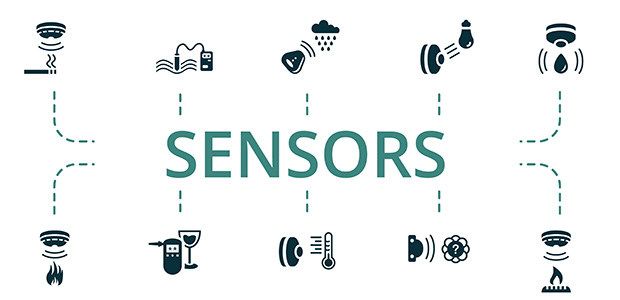
This is the first of a series of five technology briefings for Startups Magazine readers, in which we will be reviewing the fastest moving and most exciting fields to equip business leaders on how to identify trends that they can leverage in their own business and technology development plans. The series will cover AI, sustainability, security, and eHealth, but we start with the critical and frequently overlooked role of sensors.

Tom Price-Daniel is VP of Strategy at Teamed, a service-led platform which takes the hard work out of compliantly employing talent from anywhere in the world. Tom is an experienced Chief Revenue Officer with multiple exits.

Sometimes, successful startups don’t need to do anything new, they just need to do it better. HumanForest is one such a company taking that route. Rather than reinvent the wheel, they are seeking to make something that already works, better. Bike sharing. Sure, you’ve heard of it, from Santander Cycles to Lime bikes, they lounge on the pavements of major world cities and help everyone from tourists to company execs circumnavigate the city.
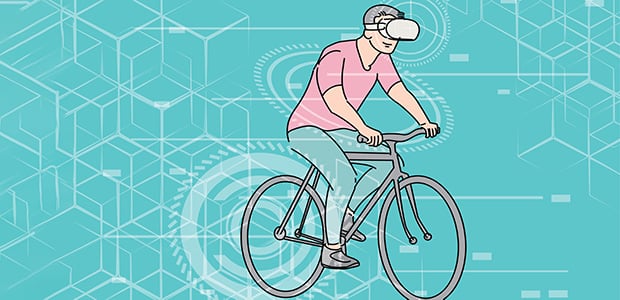
The idea of VR and exercise may seem either unfamiliar or incompatible to some, but the fact is the immersion VR offers can lend to some convincing scenery for avid cyclist to take a workout in. Imagine, it’s Monday, you live in central Paris, you get home from work at six o’clock; you’re a 25-minute, one-way journey from your nearest park, perhaps it’s also raining too. So many hurdles present themselves before you have even committed to go for a ride that for some, the easier option to not go may win them over.

In today’s fast-paced and fiercely competitive economic landscape, businesses face mounting pressures to excel.

Starting a business? Discover how exchange rate risk impacts startups and learn essential strategies to protect your business.

You’d be hard-pressed to find a small business in the Western world that isn’t utilising technology. Since the invention of the Internet and the rise of digital devices, tech has become commonplace across industries, transforming not only the way companies reach their audiences but also how they function at a base level.

As a domain that’s so intrinsically human, networking is the sustaining force of our communities, especially in the business world.
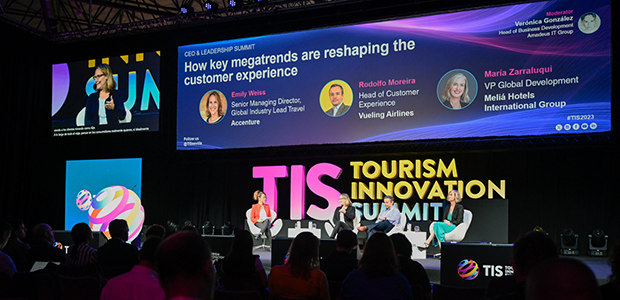
The second day of TIS – Tourism Innovation Summit 2023 highlighted the most disruptive trends shaping a more sustainable and digital industry.

In a world that is becoming more conscious of its impact on the environment, sustainable startups are forging ahead, redefining the economic landscape.

The suit is dead. Long live a monkey! It used to be simple. If you wanted to look professional and gain trust for investments, you’d wear a suit. Startup culture killed it.

In this interview series Richard Richie, Managing Partner of Alcon Maddox, gets some of London’s most forward-thinking tech leaders to spill the beans on what is making their companies so successful and what innovations the future has in store.

Social commerce has created new ways for brands to connect with consumers and create new revenue streams. According to Accenture, In 2021, global social commerce sales totalled $492 billion and are expected to reach $1.2 trillion by 2025.

Climate change is one of the most pressing challenges facing humanity today, and its consequences are becoming increasingly evident. Rising temperatures, extreme weather events, and the degradation of natural ecosystems are threatening our planet’s delicate balance.

Most startup entrepreneurs understand the significance of investing in technology to turbocharge their operations. However, it can be challenging to analyse and decide on tech tools that can deliver the best business outcomes.

Examining various work models available to employees, including job sharing, remote working and home office, learn about the pros and cons of each approach and offers insights into how to implement and overcome the challenges associated with adopting these models.

New research from the Oxford Internet Institute, University of Oxford, University of Technology Sydney (UTS) and the University of Melbourne shows startup founders have distinct personality traits, and they’re more important to the success of their companies than previously thought.