Features

AI’s reliance on existing material to generate content raises a number of thorny intellectual property issues, both legal and ethical. When sourcing material to complete its tasks, AI does not distinguish between content protected by intellectual property law and content that isn’t. As a result, there is a genuine risk that AI systems could produce infringing material. If your business uses that content, you could face legal action and a claim for financial compensation.

Redefining success: “Success isn’t just about numbers. And it’s easy to get stuck chasing them. Success means freedom – the freedom to live by the ocean, to surf almost every morning, and to build a life shaped by small, intentional choices. A life where I get to design – and choose – every single piece of it.”

Speaking in front of an audience is one of the most common fears, whether it’s pitching to investors, leading a meeting, presenting at an event, or simply sharing ideas in front of a group.
The deeptech industry has been in the spotlight for a couple of years now, and that does not seem to be slowing down.
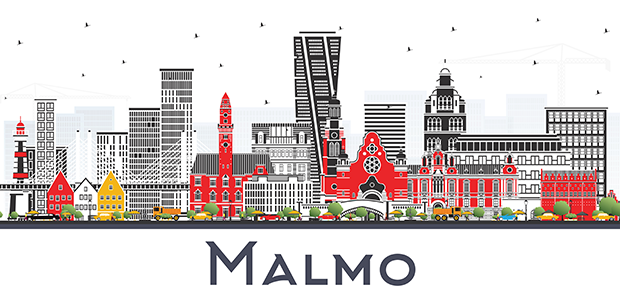
Malmö is a city that sits in the south of Sweden. While many think of Sweden and the cities of Stockholm and Gothenburg come to mind, the country’s third largest city is one that shouldn’t be underestimated.
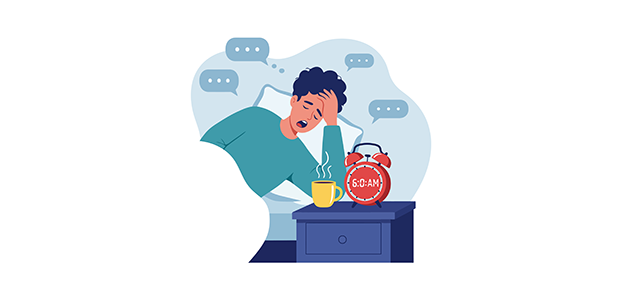
Small-to-medium business (SMB) owners in the UK are under immense pressure. According to our research, a third say they’ve lost sleep over whether they’ll be able to pay staff – a clear sign of the financial strain many are experiencing. In a climate defined by rising costs, unstable cash flow and economic uncertainty, it’s no surprise that financial worries have become one of the biggest sources of stress for small business leaders.
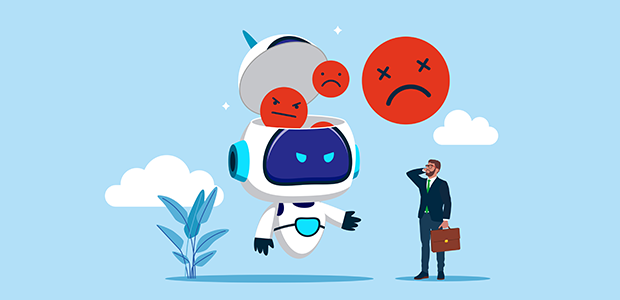
The internet is undergoing a profound transformation, shifting from a human-centric interaction paradigm to one increasingly mediated by autonomous AI agents. This “agentic revolution” necessitates a radical rethinking of product design patterns and business models. Companies that fail to cater to a growing number of machine internet “users” risk not just a decline in usage, but complete invisibility in the AI economy.

Autonomous AI is no longer simply a concept of the future – it’s here, and it’s already transforming how we build, test, and deploy software. As the CEO of an AI-powered company, I’ve seen firsthand how agentic AI, which independently designs, executes, and optimises workflows, can deliver exponential gains. Many of these are in productivity, especially in repetitive, rule-based domains around software testing.

One of the starkest contrasts between the wealthy and the financially constrained has always been convenience – specifically, the ability to delegate. As people move up the economic ladder, they tend to shift from doing things themselves to paying others to handle them. Today, thanks to artificial intelligence, that same privilege is being democratised.

In tennis, there’s a moment when you realise your pattern of play isn’t working anymore. You’ve got to change your game or risk losing. That’s exactly how I felt in my career.
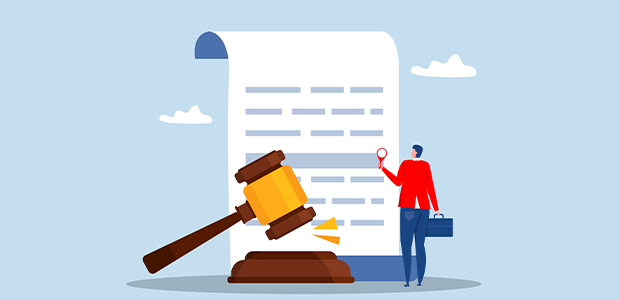
If you’re building a startup, legal risk might not be top of your priority list, but a major new law in the UK means founders and startup leaders now need to think more carefully about how their team operates – and how the actions of senior people could put the whole business at risk.

As digital healthcare continues to transform patient care, UK medtech companies eyeing the US market must navigate a complex regulatory landscape – chief among them, HIPAA compliance. While the GDPR (General Data Protection Regulation) is well understood in Europe, HIPAA (Health Insurance Portability and Accountability Act) presents a distinct and critical framework for protecting patient data in the United States.

It is often stated that in the metamorphosis between a caterpillar and a butterfly there is a very ugly larval stage. Parallels could be drawn between this and the labour markets of the UK and Europe. While the power and ubiquity of technology is increasing, rules, regulations, and legacy attitudes are holding back the potential of entrepreneurs and startups.

Having sufficient liquidity is vital for a company’s financial wellbeing, showing its capacity to fulfil short-term financial obligations. Its normal rate demonstrates how easily and swiftly a company can transform its assets into cash without significant value loss.

Setting attainable goals sets you up for catastrophic failure (and indeed, it is why most businesses fail today). The reason is simple yet misunderstood.

It is said that more people fear public speaking than death. While that might be a stretch, the statistic that around 75% of leaders experience anxiety about speaking in public is very real – and deeply impactful.

The global trade landscape is shifting once again and, for UK SMEs, that’s both a challenge and an opportunity. The return of US tariffs under President Trump and a new UK-US trade agreement that partially eased pressures are creating an unpredictable environment.
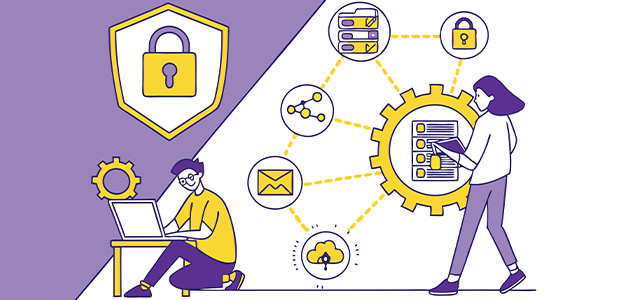
If you, as a business leader, do not believe cybersecurity to be important, that will have a ripple effect through your entire company.

Starting a business is a bold move and there are many factors to consider before you do so – but among the most important are whether you have the mindset and resilience to ensure your startup is a resounding success.
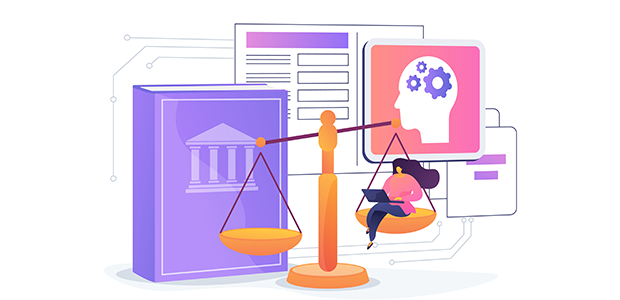
Law firms are navigating an increasingly competitive landscape for deal-making amid a slowdown in global merger and acquisition (M&A) activity. This competitive landscape ups the ante for the adoption of cutting-edge technology that holds significant potential to make M&A lawyers more productive, and law firms are widely embracing artificial intelligence (AI) for M&A transactions.