
Global manufacturing strategies are undergoing a fundamental shift. Tariffs, geopolitical tensions, and supply chain disruptions have exposed vulnerabilities in traditional manufacturing hubs, particularly in China. As a result, companies are increasingly looking toward Europe, not just as a market, but as a strategic centre for high-tech
manufacturing.

In the rush to launch, scale, and secure the next funding round, it is understandable why many startup founders treat terms and conditions (T&Cs) as an afterthought.

A survey of 1,000 CFOs and senior finance leaders across the UK and Ireland has revealed the growing strain facing finance professionals, with almost all (99%) saying they work evenings or weekends, and nearly two-thirds (64%) doing so often or always.

Antidote, a new London-based accelerator, has launched with £2.5 million in funding from Fulgur Ventures, Initial Capital, and a group of private angel investors.

At CES Unveiled Europe, E-magy and Rebel Cactus announced the signing of a strategic Memorandum of Understanding (MoU) to co-develop a customised lithium-ion battery cell for Rebel Cactus’s next-generation children’s smartwatch.
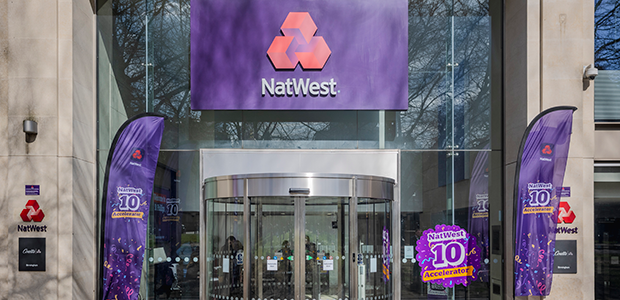
The NatWest Accelerator programme has undergone a significant transformation, building on a decade of success supporting entrepreneurs across the UK. As part of its evolution, the bank saw an opportunity to modernise the programme, making it more accessible and relevant to a wider audience of founders.

When the Government launched its Small Business Plan in July, its late payment reforms promised a radical transformation with headline-grabbing 60-day payment caps, mandatory 8% interest, and new powers for the Small Business Commissioner.

The 30th UN climate conference takes place from 10-21st November 2025 in Belém, Brazil. It will bring together world leaders, scientists, non-governmental organisations, and civil society to discuss priority actions to tackle climate change.
But who actually cares? Research shows that compassion about climate change is in freefall.

Many founders overestimate launch day. They spend months on building, testing, polishing – and expect that when they finally hit publish, people will notice it straight away. But they usually don’t – not because the product is bad, it’s because no one has a reason to care yet.

Most founders signing their first office lease are thinking about desk layouts, internet speeds, and how the space will look on Instagram. What they’re not thinking about is the stack of legal obligations that comes with those keys. Beyond sorting out insurance and fire certificates, there’s a surprisingly easy requirement to miss: workplace safety signage.

Prototyping is a powerful way to turn ideas into something tangible fast. A prototype can help you explore different concepts, validate assumptions, and gather user feedback before investing serious time and money in full-scale development.
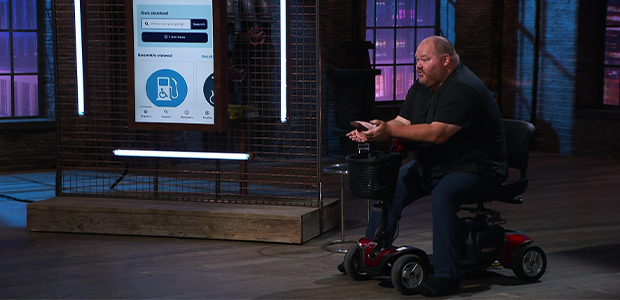
Simon Sansome, the creator of Snowball, a startup mobile app that describes itself as ‘the Trip Advisor for the disabled community’, secured backing from all five moguls on the hit BBC show, Dragons’ Den.

Honest Mobile, the UKʼs top-rated B Corp challenger mobile network, will appear on Dragonsʼ Den at 8pm on Thursday 30th October 2025 on BBC One and iPlayer.

Legora, the collaborative AI platform for lawyers, has announced the completion of a Series C round of $150 million at a $1.8 billion valuation, led by Bessemer Venture Partners, with significant investment from existing investors ICONIQ, General Catalyst, Redpoint Ventures, Benchmark, and Y Combinator, to accelerate its global expansion and growing product roadmap.

For UK business leaders, the outlook for 2026 is cautiously optimistic yet undeniably complex. Growth forecasts hover just above one percent, while global tensions, high costs and the relentless advance of AI keep many plans in flux.

Small business sales and jobs are still growing but losing momentum following a reasonable start to the year, according to the latest Xero Small Business Insights (XSBI) data from Xero, the global small business platform.

In 2021, Jonathan Dyer co-founded Muon Space, an end-to-end space systems provider that designs, builds, and operates LEO satellite constellations delivering mission-critical data.

Uluu, an Australian startup which turns seaweed into a plastic alternative, has raised over £7 million ($16 million AUD) in Series A funding to build a demonstration plant for the industrial production of its materials.

Frankie Bridge, CEO and Founder of Faves, began her career in the spotlight at just 12 years old. She never imagined her passion would evolve into a long-standing pop career. From her early days in S Club Juniors to continued success in The Saturdays, Frankie has remained a familiar face in the public eye.

Every founder wants their team to feel valued. When people know their work matters, they bring more energy, loyalty, and creativity, but creating a culture of appreciation isn’t about handing out gift cards or ordering Friday pizzas. It needs to be intentional, consistent and led by example.