
It’s a common workplace story: December hits, and suddenly the office turns into a ghost town of checked-out employees chasing holiday cheer over deadlines. But let’s challenge that myth head-on.

Once the highlight of the corporate calendar, the office Christmas party has long symbolised celebration, team spirit, and a well-earned end to the year. But recent headlines – and countless social media horror stories – suggest that the shine has worn off.
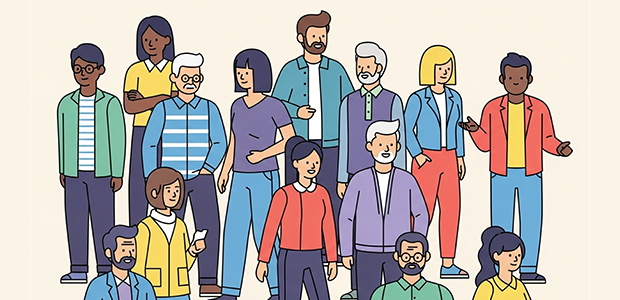
The UK’s Work and Pensions Secretary Pat McFadden has revealed that nearly one million 16–24-year-olds are currently not in work or education, marking the highest numbers in over a decade. This lost generation risks deepening divisions in the labour market, impairing industry innovation, and stalling economic growth.
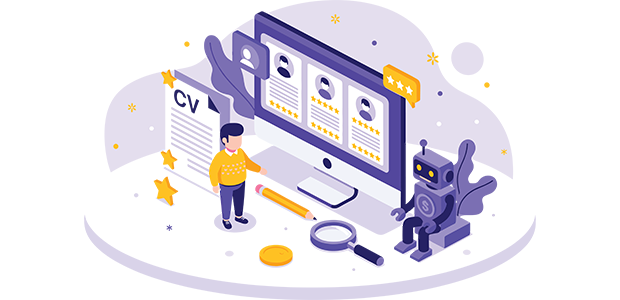
The hiring landscape is about to experience profound change. New research warns that by 2030, as many as one in ten CVs could be entirely AI-generated. While AI offers promising efficiencies for candidates to craft their applications, this shift brings significant implications for how employers attract, assess, and ultimately hire top talent.
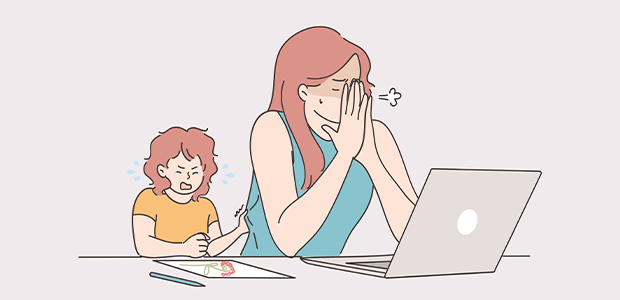
The findings of the Office for National Statistics’ (ONS) latest report quantifying the career and earnings impact of motherhood in England are sobering. According to the data, the average mother loses an estimated £65,618 in earnings over five years after having her first child. For a second child, the figure rises by another £26,317, and for a third, £32,456 more is lost.

Recent research – conducted by social research agency Hark – has revealed a troubling trend: one in 10 children report feeling a complete lack of confidence about their ability to build a future career by the time they reach Year 9. Meanwhile, employers are witnessing a growing number of Gen Z professionals struggling to adapt in the workplace, grappling with confidence issues, uncertainty, and a lack of direction that can ultimately derail early careers.

Another season, another HR buzzword, welcome to the age of ‘Job Hugging’. Between mass redundancies, a tough job market, and low pay growth, employee behaviour has fundamentally shifted away from the apathy of quiet quitting and into fear mode. Today’s workforce is holding tight to their current roles out of a desire for stability amid uncertainty.
The adoption of artificial intelligence (AI) in the workplace is moving at pace, nearly doubling in the past two years. This technology is reshaping everything in the world of work from recruitment and customer service to data analysis and employee experience.