Features

When determining how to allocate wealth on divorce, a court must conduct a two-stage process: quantification, i.e. what are the available assets and incomes, and distribution, i.e. how should those resources be apportioned between the parties to achieve a fair outcome.
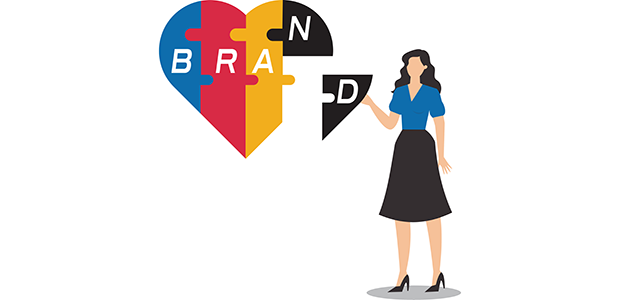
You’ve built a great product and assembled a solid team, and now you’re chasing investors, customers, and talent. The harsh truth is if no one knows who you are, your startup is just another name in the noise. Want people to know about your startup? Try working on your personal brand.

As founders know, change is the only real constant. But how do you rise above the chaos when even the ground beneath you seems to shift?

Artificial intelligence (AI) remains one of the hottest topics in technology, driving a wave of innovations across all industries.
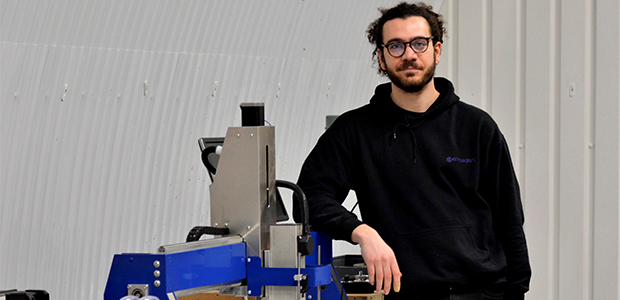
Embedism was founded by Chay Strawbridge and Nathan Ruttley, both seasoned professionals in the product design industry. They recognised a gap in the market where traditional consultancies and solo operators struggled to meet the demands of today’s fast-paced, innovative startups.

On February 3rd, 2025, Meta confirmed that WhatsApp had been targeted by a “sophisticated spyware hack attack”. While no businesses were targeted on this occasion, WhatsApp is a popular communications tool among SMEs and the attack raises important questions about the platform’s security.

Ho Chi Minh City is a vibrant metropolis. It is the most populous city in Vietnam, with a population of around 10 million in 2023. The city is often referred to as the economic powerhouse of Vietnam, and in recent years, the city has quickly emerged as a tech hub, as well as becoming a hotspot for startups and entrepreneurial learning opportunities.

As an innovation expert, I’ve created a portfolio of ideas over the years, but one has gone to prototype – FlowSense, the world’s first patented period detection device that empowers visually impaired women to independently manage their menstrual hygiene.
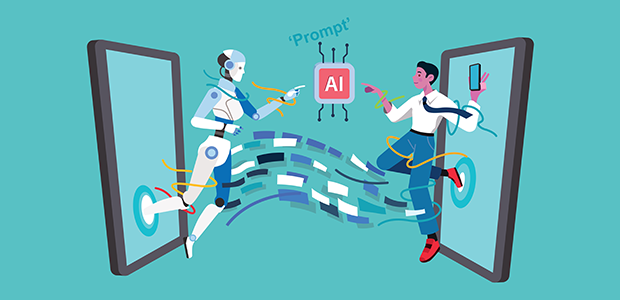
Successful commercialisation of deeptech innovation in the UK hinges on addressing key factors such as industrial demand, viable market applications, and the establishment of robust infrastructure. Among these, bridging the UK’s connectivity and compute gap is critical – not only for industrial advancements but also for the burgeoning Createch sector, where creativity and technology intersect to deliver transformative outcomes.

For almost two decades, since the SaaS boom, it’s become standard for businesses to rely on patchworks of third-party platforms, apps, and tools. Either to support their own operations, offer new services, or simply keep up with the pace of tech. In the early days, such solutions were the most cost-effective way to scale. They gave quick access to features without the need for in-house development, and the costs that come with it, and could be built around legacy systems that were too expensive to replace.
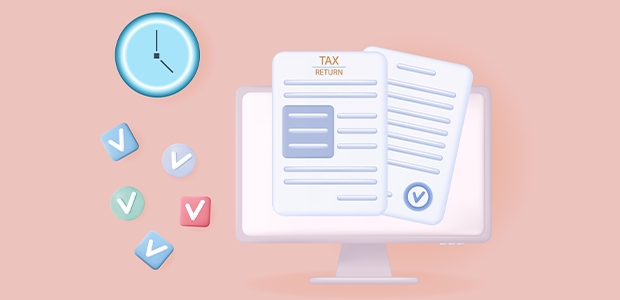
For startups and mature companies operating internationally, understanding the value added tax (VAT) registration process is essential for maintaining compliance with tax regulations.

The world of work is changing faster than ever. But let’s be honest – hasn’t it always been? The industrial revolution gave us factories. The digital revolution gave us laptops. And now, we’re in the middle of something even bigger: a revolution of independence.

Ongoing discussions among industry leaders about AI, including those from this month’s Paris AI summit, have the potential to democratise AI and inspire larger enterprises to actively support small and medium enterprises (SMEs) in adopting it, levelling the playing field and driving innovation.

The beehive is the ultimate business case study for complex organisations and working life today. On this National Leadership Day, Philip Atkinson, leadership team expert, organisational coach, founder of Hive-Logic Coaching & Communications, and author of ‘Bee Wise – 12 Leadership Lessons from Inside a Busy Hive’ lifts the lid on what happens in a hive and explains what we can learn for creating harmony and teamwork in the fast moving world of technology startups today.

We’ve all experienced how online shopping has transformed retail. But this digital revolution comes with an inconvenient truth: every package delivered to our doorsteps has an environmental cost.

Vinita Rathi is the CEO and Founder of Systango, a digital engineering services company specialising in generative AI, Web3, blockchain, automation, and cloud solutions.

The year 2025 started with a shockwave for the AI community. Launched by a relatively obscure Chinese startup, DeepSeek not only challenged the rules of the AI game by sending NVIDIA’s stock plummeting 17% in one day and becoming the most-downloaded app on the App Store and Play Store, but also showed the persisting security problems by accidentally exposing its database and leaking sensitive data including chat histories, API keys, and backend operational details.
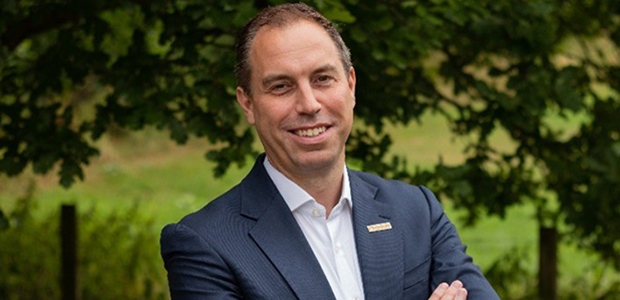
Brexit’s official 5th anniversary was on 31st January, and – for some businesses – international trade remains a point of great frustration. Brexit, for many British enterprises, has been more shock and less awe. A recent LSE study revealed that the UK lost £27 billion in trade during Brexit’s first two years, with the value of British goods exports falling by 6.4% and total goods imports by 3.1%.

After a few years of turmoil for businesses and individuals alike, the world is finally starting to look a little more stable. And business owners feel that way, too; in our 2025 survey, an overwhelming 96% of business owners said they felt optimistic about their business succeeding in 2025. By contrast, just 77% said the same the previous year. This is likely due to the formation of a new government, decreased stress, and feeling more prepared to embrace AI.

We’re now in February 2025, and the challenges from last year for businesses and individuals are still lingering. Geopolitical tensions, the rising cost of living, and general economic uncertainty are still causing turbulence for businesses and individuals.