Mangopay, a platform-specific payment infrastructure provider, has announced that it has been authorised by the Financial Conduct Authority (FCA) as an Electronic Money Institution (EMI).

A startup’s hiring process is part of its brand. Get it wrong, and it can damage your brand. Get it right, and it can propel your growth.
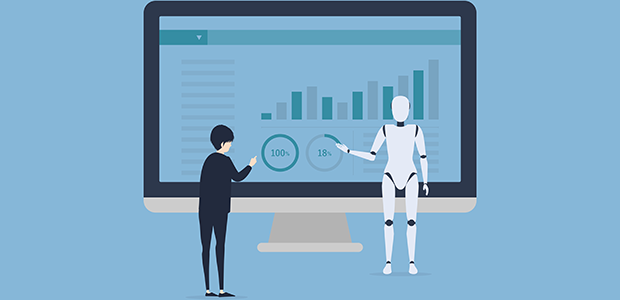
Over a third (38%) of small businesses have used, or are considering using, AI according to new research from Small Business Britain and the global hiring platform Indeed, which underlines the growing appetite for the nation’s 5.5 million small businesses to embrace cutting-edge technology.

In the landscape of contemporary work, it’s clear that there’s been a fundamental shift from the traditional ways of working. Despite the strong opinions of government officials and influential think tanks, advocating for a return to office life as a means to fuel the economy, the reality of work has transformed dramatically.

Over a third (38%) of small businesses have used, or are considering using, AI according to new research from Small Business Britain and the global hiring platform Indeed that underlines the growing appetite for the nation’s 5.5 million small businesses to embrace cutting-edge technology.

As more and more companies strive to harness the power of diversity, we need to ask ourselves a fundamental question: Are we ready?

Paris has long been a global epicentre for art, culture, and cuisine. But in recent years, the City of Light has emerged as a hub for innovation and entrepreneurship, especially in the tech space.

The integration of automation has emerged as a vital force in reshaping revenue management strategies. While automation simplifies and expedites various operational tasks, it also empowers businesses to adapt and thrive in a market environment characterised by tremendous competition and constant change.

Only a fifth (21%) of employees say they have a very good understanding of all the health and wellbeing benefits they’re offered.

easyFood has partnered with Ryft as part of its plans to onboard more restaurants onto its platform. The food delivery business, which forms part of the easyGroup is using the UK-based payment provider’s payment infrastructure to bring new franchise partners onto its system more rapidly than ever before.

Newconomics, the brand new web3 event in Lisbon this November is running an exciting startup pitch competition where participants can win a share of $15,000 to get their business off the ground.
The Fintech and Payments Advisory Network (TFPA) announce the next stride in its ambitious growth journey with the appointment of a heavy weight executive team.

Neteera Technologies, an Israeli-based startup disrupting the contactless patient monitoring market, has announced the successful closing of a $6.7 million Series B extension. The round was led by Aescuvest, a healthcare investment firm, alongside Foxconn Technology Co (FTC), an associate of Hon Hai Precision Industry, a large electronics manufacturer globally.
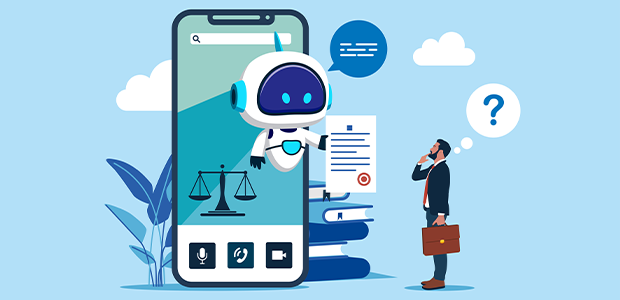
Robin AI, which enables businesses globally to harness the power of AI for legal work, announced that its large language model (LLM)-powered contract copilot can now be added to Microsoft Word as a free add-in.

The quality of mental health, both at the individual and community level, has become a matter of global concern. According to the World Health Organization (WHO), 15% of working-age adults were estimated to have a mental disorder in 2019. It is also estimated that $1 trillion is lost every year due to depression and anxiety among workers.

Humane, a startup founded by ex-Apple design and engineering team Imran Chaudhri and Bethany Bongiornio, revealed its first AI device, the Humane AI Pin, at Coperni’s Paris Fashion Week show, ahead of its official unveiling on November 9th.

Government urged to prioritise the development of industry ethical frameworks to boost business confidence and make the UK a global pioneer in responsible AI innovation – ahead of the inaugural UK AI Safety Summit.

The average UK household could save an average of £285 next year on their electricity bills using the latest home energy monitoring sensors, says UK-based energy startup Voltaware.

New data from small business lender iwoca reveals that while more than half of SME owners (55%) feel they have a good understanding of AI, the majority are nervous about how it will impact their business.

Prepare to be captivated and unnerved as we explore the realm of innovation where cutting-edge technology meets creepy creativity. In this journey, we’ll explore the dark corners of the tech startup world, uncovering the top spine-chilling tech startups that are redefining the boundaries of what we ever thought was possible. From trying to bring back extinct species, to a startup aiming to preserve the brain and keep its memories intact, to a lifelike artificial human corpse that can bleed.