Features

The adoption of AI has skyrocketed in recent years as advancements in the industry have opened the door to new applications across industries and use cases. In fact, a report from McKinsey found that AI adoption rates hit their highest numbers in early 2024 with 72% of organisations reporting they have adopted the technology.

We have reached the end of summer, and some people’s annual holidays are coming to an end. This is an important time for businesses to consider their employees’ wellbeing and wider team morale, as people may start to feel the end of the summer slump – a shared feeling amongst employees as they return to work as normal after summer holidays, and in some cases, preparation for the festive season, which is likely to be a busier trading period for most businesses.

2024 has seen our adtech startup scale at +80%, from expanding our team, gaining market share and launching new products. Because your company culture should always be who you are as a business – rather than what you aspire to be, scaling at this speed means that your core culture becomes more essential than ever.

In the competitive landscape of startups, the ability to build and manage a strong team is crucial for success. 23% of startups fail due to issues related to team dynamics, making it one of the top three reasons for startup failure.

When I founded Game Insight in 2009, I often felt like a newcomer in a room full of seasoned professionals. Despite growing up in a post-Soviet environment where women worked alongside men and gender inequality wasn’t as pronounced, I still felt I had to work twice as hard as my male counterparts to achieve the same level of success.

What a few weeks it has been for the new Government – a Labour Party conference that fell flat, weaker GDP figures, and Keir Starmer’s “clothes gate”.

Artificial Intelligence (AI) is perhaps one of the fastest evolving technologies in business today. For SMEs, it can be hard to keep up with these developments and sift through what’s simply noise, and what will deliver tangible business benefits.

As the clock ticks down to Chancellor Rachel Reeves’ Autumn Budget announcement on 30th October, the entrepreneurial community across the UK is holding its breath. The tax changes unveiled on that day have the power to either ignite a new wave of innovation and growth or extinguish the entrepreneurial spirit that has long been a hallmark of the British economy.

Thinking about who will inherit your personal wealth and assets is one thing. Thinking about who will inherit your business interests is another. But both are of equal importance.
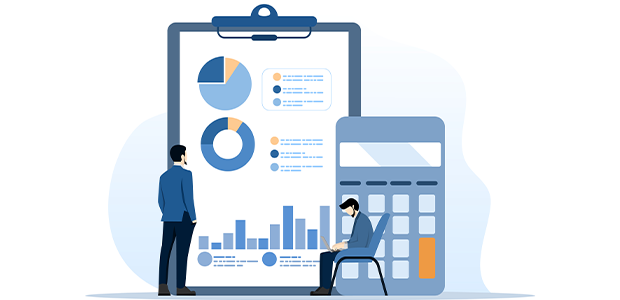
Gone are the days of manual data entry and cumbersome spreadsheets! Digital accounting is sharply becoming an essential tool for modern-day startups seeking to streamline their operations and improve financial management. It offers a more efficient and accurate approach, leveraging technology to automate tasks, centralise information, and enhance decision-making.

It’s not a sector that has ever stood still, but the next few years will bring some particularly big changes in manufacturing. From the rollout of AI for everything from machinery monitoring to material design to an increasingly urgent push towards sustainability, revolutionary new ways of operating will require major software-system adjustments. So what issues do companies face when moving to new technology and how do they deal with them?

The startup ecosystem is seeing a distinctive shift in its mergers and acquisitions (M&A) activity. Traditionally, it was the tech giants that led the charge in acquiring promising startups. However, a growing trend is emerging: startups are acquiring other startups.

What happens when technological possibilities and state offerings drift too far apart? Anders Indset explores the possibility of a network state.

When it comes to going from startup beginner to startup success, setting actionable targets from the beginning is actually crucial for steering your business in the right direction.

For decades, business startups were classified as for-profit companies and charities as nonprofit. However, in recent years, some startups are turning to the nonprofit sector to meet the needs of their stakeholders better. Which you choose depends on your goals for the brand and how you intend to raise capital. The structure you settle on can shape operations for years to come.
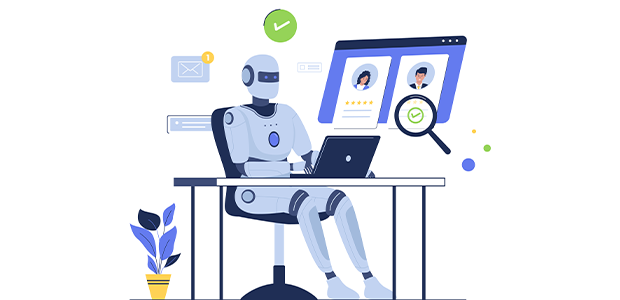
Understandably, many companies are keen to use AI to help with hiring – 42% of companies use AI in recruitment and HR, according to IBM research. The right tools can help to accurately identify top candidates faster.

As a technology founder, I’ve realised the immense importance of navigating the digital landscape effectively to ensure the success and growth of my business. The challenges we face in technology and digital product development are monumental, but they also present opportunities for strategic growth.

Chris Buckley – founder of digital agency Pixel Kicks – shares his insights into starting an ecommerce business in the UK.

Artificial intelligence (AI) is one of the most transformational technologies of our generation, tackling some of humanity’s most challenging problems, augmenting human performance, and maximising productivity. A research study from Strand Partners and commissioned by Amazon Web Services, showed that the number of UK companies adopting AI has increased by 31% from 2022 to 2023. Thanks to the acceleration in AI adoption, digital technology could add £520 billion to the UK economy by 2030, up from £413 billion in 2022.

Starting a business is exciting, but it comes with its fair share of responsibilities. One of those is something that is easy to overlook, which is premises liability.