Features

A year ago, I transitioned my fortnightly newsletter The Conversation’s to Substack. I invest a lot of time and energy in my newsletter, on thoughtful marketing, PR and creative business, and I wanted to give it a life beyond inboxes – to offer it a place it could breathe and grow.
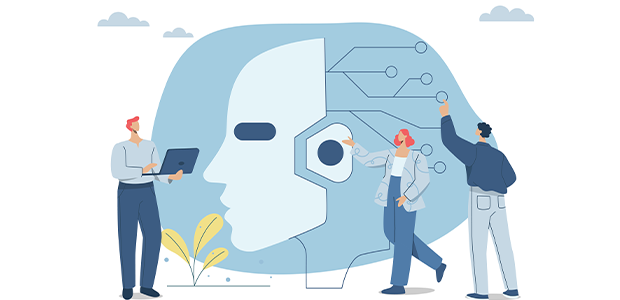
The American poet Emily Dickinson wrote that “the truth must dazzle gradually, or every man be blind.” When it comes to startups harnessing technology and the future of work, however, there is no time for gradual discovery.

The UK is home to a thriving startup ecosystem, with innovative companies across sectors like technology and life sciences making a real global impact. While the UK offers strong support for early-stage businesses, the sheer scale and resources available across the Atlantic can open new doors for global ambitions.
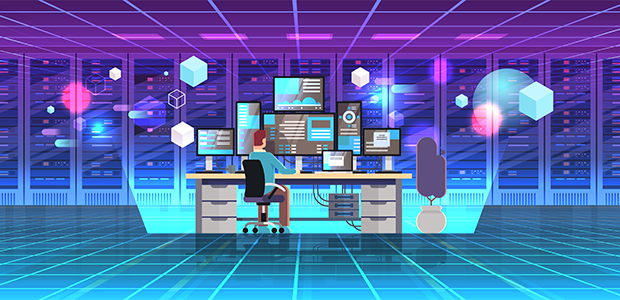
Real estate is among the largest industries in the world. In 2023, the largest European commercial real estate market was in Germany – about 1.9 trillion US dollars. Real estate companies must focus on advanced technologies and other solutions that enhance their business operations to maintain future success.
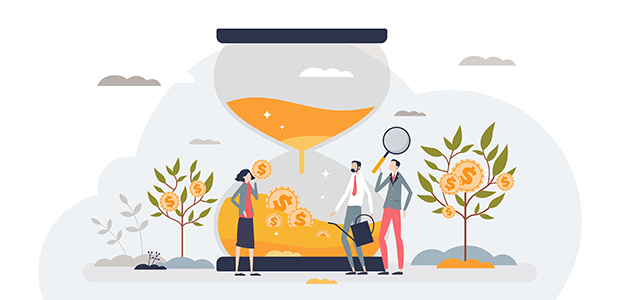
The past few years have pushed many small businesses across the UK to breaking point. A harmful combination of rising costs, reduced funding, and increasingly delayed payments has made cash flow management a more pressing concern than it has been in recent memory.

The UK is grappling with a quiet burnout epidemic that is eroding the mental health of our workforce and harming productivity. And it’s getting worse.

Fusion energy is often hailed as the ultimate clean power source, promising virtually limitless energy without harmful emissions. As private initiatives increasingly enter the sector, bringing fresh ideas and innovation, much attention is given to technical challenges.

Embracing the Ten Commandments of Gratitude and becoming a gratitude hunter is key to finding peace in life, especially for tech founders navigating the high-stakes world of startups. Shifting from overthinking to overt-thinking and attracting limitless possibilities can transform your entire outlook helping you maintain balance in both your personal and professional life.

There’s a longstanding reputation of what founders look like. We must be all-absorbed by our work, have a 5-9 before our 9-5, routinely forget the names of the new marketing assistant or junior executive, and be a dragon in the boardroom – like that’s all a good thing!
Terence Mauri, a world-leading expert on the future of leadership and Thinkers50 author, argues that as the world evolves faster, every startup founder needs to prepare their business for tomorrow. Here’s how.

In today’s competitive business landscape, as a startup business owner, you must constantly seek innovative ways to stand out and succeed. A new powerful yet ethical strategy is the use of the science of Ethical Persuasion.

International Equal Pay Day is celebrated every year on the 18th September. It represents the longstanding efforts towards the achievement of equal pay for work of equal value. The day serves as a reminder of the ongoing struggle for equality and the need to bridge this divide.
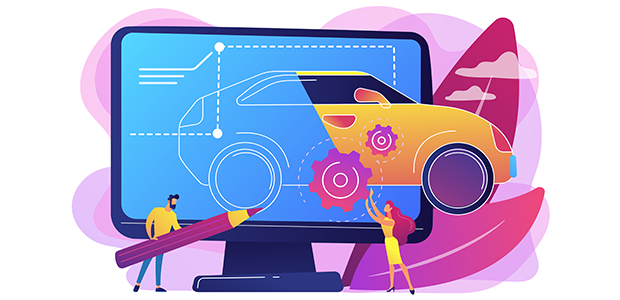
I’ve been a product person my entire professional career. My many years as an Atlassian product designer, and design roles at Loop and Steve Chen’s AVOS have given me a unique perspective on how today’s AI hype cycle is playing out in product design. From where I stand, when it comes to how AI is impacting the products and services we all use daily, we’re walking a fine line between good and bad.
The European AI market is booming. According to global VC Atomico’s State of European Tech report, Europe’s AI talent base has grown more than 10 times in the past decade to over 120k professionals currently employed in AI roles – more than the US.

Ah, the “entrepreneurial mindset”, do you have it, do you wish you had it, do you know what it is, do you even care, and what does it mean for how you find and maintain success in your emerging startup?
Data privacy has become a major concern for companies of all sizes in recent years. However, failing to prioritise privacy can come back to haunt young companies down the road. Privacy breaches or misuse of customer data can derail startups before they ever fully get off the ground.
It’s all change for ESG (Environmental, Social, and Governance) reporting in the European Union. While some EU countries already have well-established national rules governing the risk of violations of human and environmental rights in supply chains, scope has been inconsistent from one country to another.

The post-summer holiday blues can be a challenge for leaders – it’s not easy to motivate a team pining for white beaches and cocktails during one of the busiest times of the year! But scientists say the positive effects of a holiday can be felt for up to a month after returning home, so how can we capitalise on a refreshed and renewed team post-holiday?

As I look back on my journey with Grozeo, I realise how scaling a startup presents both incredible opportunities and unique challenges, especially from a marketing perspective. When I joined Grozeo, our vision was clear: to empower small and local retailers with the same e-commerce tools that larger players have at their disposal.

In the bustling world of business, there’s a treasure trove of knowledge that often goes untapped – the kind that doesn’t make it into manuals or spreadsheets. This elusive resource, known as tacit knowledge, forms the backbone of many successful enterprises.