Features

Personalisation has become one of the most useful tools for business. It can help enhance customer service and experience and drive sales. However, with customers becoming increasingly protective of their data and businesses able to access so much of it, privacy also matters. So, how can businesses strike the balance between personalisation and privacy without crossing ethical lines?

Fintech is a relentless force of innovation, reshaping industries and challenging the status quo. At Intergiro, we’ve built our reputation on spotting trends early, embedding finance where it’s needed most, and delivering solutions that make workflows seamless.

In the journey toward a sustainable future, collaboration, diversity, and shared knowledge stand as powerful catalysts for change.

The New Year offers a unique opportunity for startups to recalibrate, innovate, and plan for sustainable growth. Drawing insights from my column in 2024, here’s a list of New Year’s resolutions for founders and marketers to navigate the challenging yet rewarding startup to scaleup journey.

A month on and the dust is still settling from the outcome of the US Presidential Election, with Republican candidate Donald Trump emerging victorious for the second time, making him the USA’s 47th President.

The United Kingdom is steadily emerging as a key player in the AI space, attracting the highest AI investment in Europe and ranking third globally, surpassed only by the United States and China. This success has been bolstered by the UK government’s commitment to fostering growth in the sector, however, it now stands at a critical juncture.
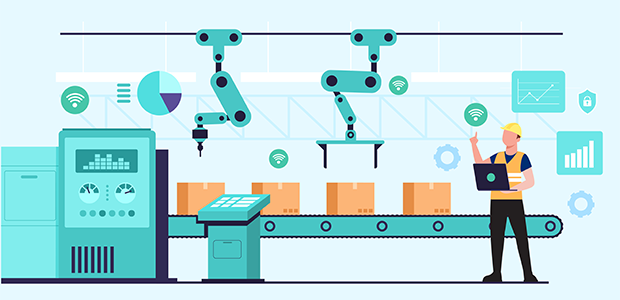
As we now know a second Trump presidency looms on the horizon, the American manufacturing sector finds itself at a critical juncture. The policies and priorities of a potential Trump administration could significantly reshape the landscape of US manufacturing, with far-reaching implications for the industry’s competitiveness, workforce, and global positioning.

As we enter 2025, startups face an environment marked by fast-paced technological advances, competitive pressures, and a heightened need for strategic agility. In this context, leaders must re-evaluate how they plan and execute strategy to stay relevant and resilient.

Technological advancement is having a profound impact on society and our lifestyles, at home, or on the go. It is influencing how we conduct our work, speak to one another, and absorb information.

As the year draws to a close, it’s the perfect time to reflect on some of the standout moments from The Cereal Entrepreneur podcast. This year we have had the pleasure of talking to a wide array of figures in the startup ecosystem, from founders of early-stage startups, to angel investors and venture capitalists, to all of the winners of the 2024 Hustle Awards.

Managing suppliers can be a major efficiency driver for small and medium-sized businesses (SMBs), but it also risks being a drain on resources. On average, SMBs engage nine times as many suppliers as they have employees, while only working closely with a few. This disconnect presents a big opportunity for streamlining, as inactive suppliers cost UK businesses an estimated £1 billion annually.

Over the course of 2024, the interest in gen AI has spread like wildfire. Data from McKinsey indicates that while AI adoption among organisations stayed at around the 50% mark for six years, the past year alone saw it jump to 72%.
Remember when the world shifted from paper to computers? Or from desktops to mobile devices? We’re on the cusp of a similar revolution with AI. What once felt like a futuristic, magical tool is quietly weaving itself into our daily lives.

It is widely acknowledged that many coaching businesses fail in their first few years and, far from the lucrative impression about the coaching profession where you can earn £500 per hour, earnings for the majority of coaches are under $30,000 per year.

The entrepreneurial journey is a thrilling yet challenging endeavour. Whether launching a startup, expanding your small business, or pursuing a passion project, success often hinges on your ability to adapt, innovate, and persevere.

The Singapore FinTech Festival (SFF) 2024 showcased the financial sector’s rapid evolution, emphasising the transformative potential of Artificial Intelligence (AI) and Quantum Computing. These technologies promise unprecedented efficiencies and insights, but their success hinges on one critical element: precise and responsible transaction data management.
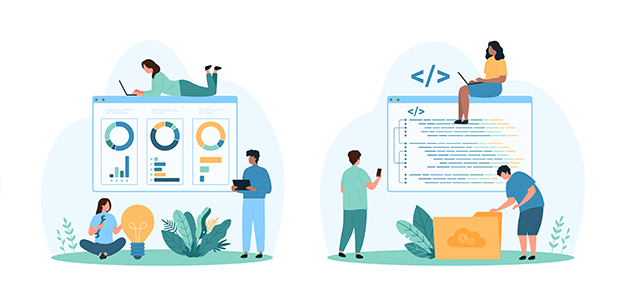
In a striking paradox, small-and medium-sized enterprises (SMEs) make up an impressive 90% of all companies and contribute nearly two-thirds of global employment and GDP according the World Economic Forum. Yet, 67% of them struggle with resource constraints, short-term pressures, and limited expertise, making it hard to adopt the technology they need.

Minc is the startup house of Malmö, right in the heart of the city. Established in 2002 by the City of Malmö, Minc has provided a platform for hundreds of entrepreneurs, specifically tech founders, aiming to make a positive impact on the world. Being a not-for-profit organisation, Minc exists for the good of the community, with the founders at the centre of its mission.

In the 1936 classic Modern Times, Charlie Chaplin plays a factory worker whose entire life revolves around tightening bolts on a relentless assembly line. The repetitive work drives him to the brink of madness – literally sucking him into the gears of the machine.

Dr Silvia Tedesco, Associate Professor of Sustainability at the University of Salford’s Centre for Sustainable Innovation, shares her trend predictions for a greener 2025.