

People-powered productivity in the AI era

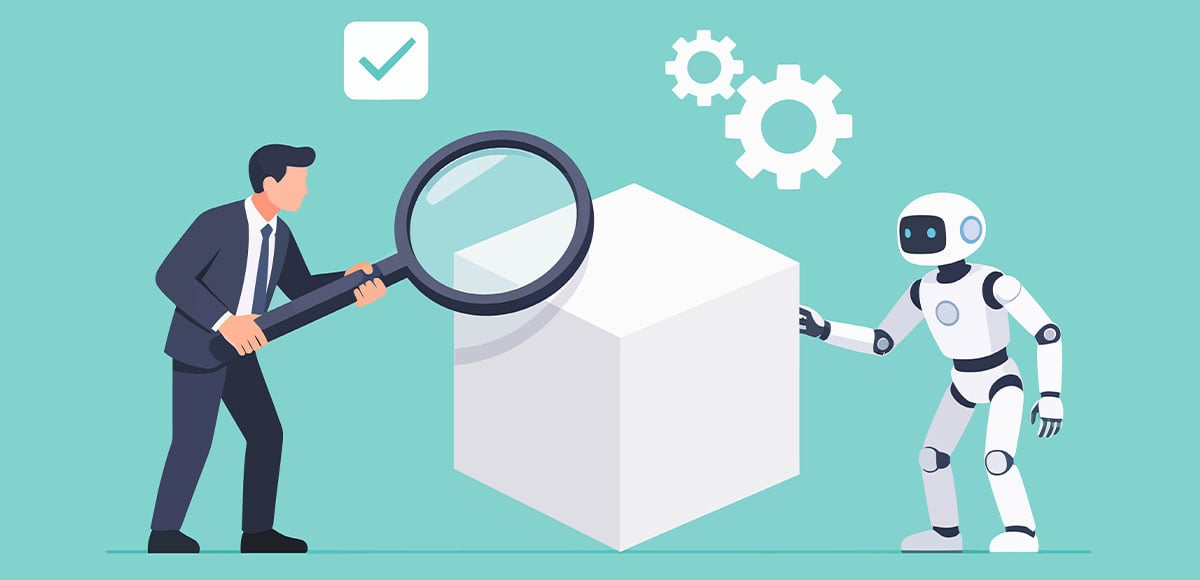

Employee productivity has been cast into the spotlight in recent months, thanks to the acceleration of AI. Our new research shows that 50% of businesses are prioritising employee productivity over the next two years, budgeting for resources that promote individual staff performance and effectiveness. This isn’t just a passing trend, but a reflection of deeper recognition that people remain central to growth, even in a technology-driven economy.
AI’s growing role in the workplace is, of course, a key driver of this trend. But it’s not the only factor. Increased remote work, hybrid teams, and other operational challenges mean businesses are looking to maximise efficiency and get the best possible return on their investment. This complexity is pushing leaders to rethink traditional management approaches and seek smarter, more sustainable ways to motivate their people.
We’re now seeing businesses take a holistic approach to promoting productivity. While AI offers significant benefits, it isn’t going to change things overnight. And if we have people in our business, it’s our duty to create the right environment for them to flourish. Compared with the previous year, our research shows that:
• 63% of business owners are providing more training and development opportunities to encourage productivity, up from 51%
• 66% are encouraging work/life balance and staff wellbeing, up from 54%
• 60% say they set clear goals and performance metrics to encourage productivity, up from 49%
• 60% say they use employee engagement initiatives to boost productivity, up from 47% in 2023
This data suggests business owners are using all available tools to improve efficiency. Taking a holistic approach creates a culture of productivity that permeates the business, no matter where teams are based.
This focus encourages employees to consider what they bring to their role beyond their job title. Businesses want people who bring their whole selves to work, which can feel challenging for those accustomed to separating professional and personal personas. But employees who embrace their full contributions can find a role that fits them perfectly, generating greater job satisfaction, engagement, and long-term security.
Despite all these changes, people remain the ultimate differentiator in productivity. As a business owner, I’m always looking at ways to increase efficiency, including which tasks can be completed quickly and accurately by AI. AI can be highly efficient, but it relies on precedent. Humans are the ones who can achieve something truly different.
Unlike machines, we can understand nuance and emotional signals. AI may follow a process and deliver a product, but it cannot detect a client’s feelings or adjust its communication style accordingly. Humans have empathy, and that enables us to connect with people in ways AI simply cannot replicate.
The UK government hasn’t yet acknowledged the connection between developments like the new Employment Rights Bill – which grants employees greater protections and rights from the very first day of employment – and the growing influence of AI in the workplace. For business owners, however, that link is hard to ignore. Stronger employee rights inevitably mean greater responsibility and potential risk for employers, which makes productivity a far more pressing priority.
This is why many leaders are now looking more closely at their teams. The question is no longer just whether someone can perform the role they were hired to do, but if they bring additional value to the organisation, whether that’s through creativity, collaboration, problem-solving, or leadership.
At the same time, the rapid rise of AI presents an enticing alternative. For some tasks, AI can appear to be the safer and more efficient option: a tool that delivers output without the legal and financial risks that come with hiring and managing people.
And yet, this shift doesn’t diminish the importance of people – it highlights it. AI can streamline processes, reduce costs, and handle repetitive tasks at speed. But human beings bring something irreplaceable to the workplace: the ability to innovate, to connect ideas in new ways, to empathise with customers and colleagues, and to build cultures that drive long-term success. Machines can produce, but people create.
The businesses that thrive in this new landscape will be those that balance both. They will embrace AI where it adds value, but also double down on nurturing human potential. Investing in people-powered productivity is not just about keeping pace with regulation, but about building organisations that are resilient, adaptable, and capable of sustained growth in a world where technology alone isn’t enough.
Looking ahead, businesses will need to continuously evaluate how AI and automation interact with human work. Organisations that combine technology with human insight, while keeping employee wellbeing at the forefront, will gain a competitive advantage in an increasingly fast-paced and complex business landscape.
People continue to play a crucial role in sustaining businesses. With AI taking on more manual processes, humans can focus on social, creative, and relational aspects of work. This makes it essential to define clearly what productivity means for your team. As leaders, we must take the time upfront to identify this, even if it’s less tangible than traditional metrics.
By communicating what success looks like, businesses can create achievable goals that best utilise employees’ unique skillsets. Employees can also actively demonstrate their skills, showcase their spark, and highlight what makes them a valuable team member.
The rise in employers committing to employee-first productivity practices is encouraging. Ultimately, people are still at the heart of every organisation. AI will continue to develop, but with teams that bring personality, creativity, and critical thinking to their roles, businesses can boost efficiency without losing the human element.
This article originally appeared in the November/December 2025 issue of Startups Magazine. Click here to subscribe
