In the startup world, the dream is often framed as a clean, glossy finish: the exit. The big sale. The headline moment.

New research from HiBob, the company behind Bob, the HR platform transforming how organisations operate in the modern world of work, reveals how one resignation at a small or medium sized business (SMB) can destabilise an entire company.
Innovation has never been more essential, or more misunderstood. As UK businesses race to stay ahead in a dynamic global economy, they’re under mounting pressure to innovate while justifying every pound spent. In these circumstances, redefining what constitutes research and development (R&D) has become a necessity.

EnsiliTech has raised its second oversubscribed funding round, securing £4.5 million in Seed funding to improve the way life-saving medicines are stored and transported globally.

Like any business, startups are vulnerable to theft. Whether it’s financial fraud, cybercrime, intellectual property (IP), or physical goods. But while recent data shows a sharp rise in theft-related insurance claims, with tool theft claims alone increasing by 54%, many businesses, including startups, aren’t seeing payouts.

Whilst the UK prides itself on being a hub for entrepreneurship and innovation, a striking number of new business startups are failing.

Q-CTRL has announced its selection for two awards under DARPA’s Robust Quantum Sensors (RoQS) programme. With this selection, DARPA has awarded Q-CTRL contracts valued at A$38 million ($24.4 million) to augment Q-CTRL’s field-validated quantum sensing technologies for demanding real-world use cases in high-performance military vehicles.

New research reveals finance leaders are stepping out of the back office and into the boardroom, driving change across recruitment, sustainability, and digital transformation.

The past year has seen small businesses and entrepreneurs face a storm of economic pressures. From rising salaries to skyrocketing energy costs, SMBs are facing a major squeeze. Our recent survey revealed that half of small business owners are concerned that one more major cost increase could force them to close their doors.
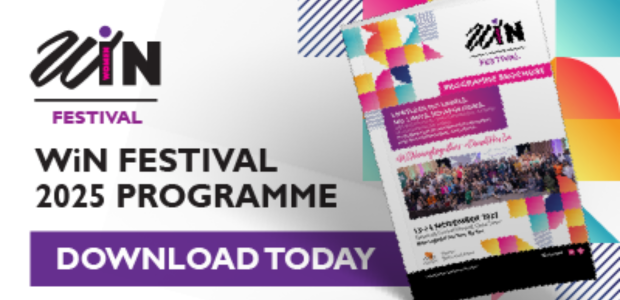
Cape Town, South Africa – The countdown is on for the WomenIN Festival 2025, taking place on 13–14 November at Newlands Cricket Ground, where women who stand out, show up, and shake the world will come together for an unforgettable two-day experience. With over 60 powerhouse speakers, 1,000+ attendees, and voices spanning 17 industries, the festival promises to be a transformative celebration of leadership, wellness, collaboration, and personal empowerment.

Over the past few years, it’s been encouraging to see organisations investing more heavily than ever in mental health support. Employee Assistance Programmes (EAPs), wellbeing apps, occupational health, and private medical insurance are becoming the norm, not the exception. And yet, despite all this provision, we still see high rates of absenteeism, presenteeism, and a troubling number of employees falling through the cracks.

I started Menotracker because of a personal wake-up call. When one of my closest friends was passed over for a promotion simply because her hot flashes during meetings were seen as “unprofessional,” I was shocked. Honestly, I didn’t know much about menopause myself at the time. I had no idea how much it could impact women’s lives and careers.

Three quarters (75%) of SME leaders believe that the better they feel, the more successful their business is, according to findings from American Express’ latest Business Barometer survey.

Glasgow-based medtech company Seluna is set to improve the diagnosis and management of childhood sleep disorders following the launch of a major clinical validation study with the Royal Hospital for Children in Glasgow.

Hyundai CRADLE, Hyundai Motor Group’s global open innovation hub, is entering a partnership with UNCAGED Innovations, the biomaterials company, to create sustainable, animal-free leather for automotive interiors using grain byproducts.
Gen Z employees are helping older, more senior colleagues get to grips with AI in the workplace, new research has revealed.
After a period of unprecedented global trade disruption, pan-European data from global fintech, SumUp, has revealed that European businesses are facing increased costs due to supply chain disruption.

New analysis from the global charity, Made By Dyslexia, shows that dyslexic entrepreneurs contribute a staggering £4.6 billion or more to UK GDP every year whilst supporting more than 60,000 jobs.

iStock, an e-commerce platform providing premium content to SMBs, SMEs, creatives, and students everywhere, reveals how SMBs can incorporate visual content in SEO to stay competitive in today’s AI driven landscape.
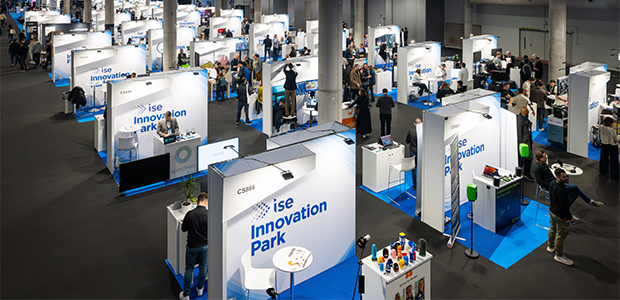
Integrated Systems Europe (ISE), the world-renowned annual tech show for the audiovisual and systems integration industry, introduced Innovation Park at ISE 2025, a dynamic business hub aimed at showcasing startup ventures and presenting exciting new ideas.