
“No”. A word that leads many of us to experience disappointment, rejection, frustration, even anger. From childhood it’s often the hardest word to hear.

As hybrid work matures and occupier expectations continue to evolve, 2026 is shaping up to be a pivotal year for the UK’s commercial property market. The pandemic-era shockwaves have settled, but their impact on how we work, meet, and use space has created a lasting shift and it’s just about to enter its next phase.

A recent global risk management survey revealed that macroeconomic volatility, trade disruptions and increasing competition have pushed cash flow and liquidity into the top 10 risks for business leaders – for the first time since 2019.

Europe stands at a crossroads. There’s never been a better time to be a tech founder here: the continent has the talent, ambition, and ideas to lead. Yet Europe still hasn’t realised its full potential on the global stage. That’s why Atomico’s eleventh State of European Tech report sets out a bold roadmap for action, and a rallying call to power Europe’s first trillion-euro tech company.

Emm, the UK-based pioneer in biowearable technology, has raised £6.8 million in an oversubscribed seed funding round, to bring the world’s first smart menstrual cup and connected app to market. Creating a new category of “smart menstrual care”, Emm will equip users to understand their individual menstrual baseline and track key metrics for personalised, actionable insights into their menstrual health.

In 2024, Black Friday was forecasted to boost the UK economy with £7.1 billion in sales. And with three in five adults predicted to be heading to the shops for the Black Friday weekend in 2025 – that’s 31.9 million potential customers for UK SMBs.

Dost, an AI-powered financial automation platform, has announced its official UK market launch following a £6 million Series A funding round led by Octopus Ventures.

Cellbyte, the AI-native platform that helps pharmaceutical companies accelerate drug launches, has announced that it has raised $2.75 million in seed funding. The round was led by Frontline Ventures, with participation from Y Combinator, Pace Ventures, Saras Capital, and Springboard Health Angels.

TMT ID, the mobile data and identity intelligence company, has secured a £30 million investment from BGF, the UK and Ireland’s most active growth capital investor, to support its expansion and help global firms combat cybercrime, prevent fraud and build digital trust.

Condukt, the next-generation compliance platform for financial services, has announced $10 million in funding led by Lightspeed Venture Partners and MMC Ventures, with participation from Cocoa Ventures.

A new study by Markel Direct has revealed which UK universities are producing the most business founders and where student-led startups are booming.

Despite being home to some of the world’s most innovative startups, empowered by early-stage R&D, Europe’s startup ecosystem still trails behind its US counterpart in valuation and scale. Valued between 29% and 52% isn’t solely down to capital availability or investor appetite. European founders face critical barriers in the support they receive.

Alibaba.com has named 15-year-old Harrison Nott as its Grand Winner of CoCreate Pitch – the product-driven startup competition – for his small business, CoolTowel.

Irish advertising technology innovator, Buymedia, has officially launched its UK operations in Manchester with the backing of Greater Manchester Mayor, Andy Burnham. The announcement marks a significant milestone in Buymedia’s international expansion and underscores Manchester’s growing reputation as a hub for digital innovation.

A new report from reputation management consultancy Infinite reveals that UK media are up to five times more likely to frame tech unicorns through the lens of failure compared to their US counterparts – a trend that reflects, and may be contributing to, the UK’s struggle to support startups in scaling.

Kilo Health, the global health and wellness company, has rebranded to Kilo, to reflect the company’s expansion into new business opportunities in longevity, anti-ageing, beauty, and personal development. This change also demonstrates Kilo’s growing focus on co-founding, venture building, and early-stage startup investments.
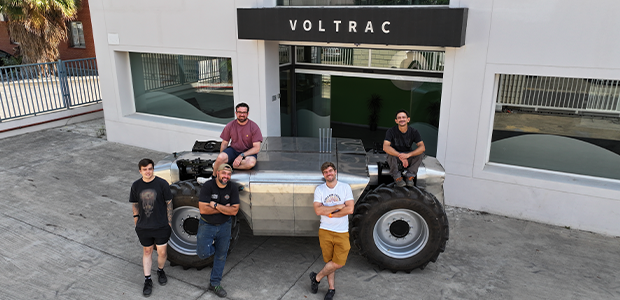
Voltrac has announced it has secured a €7 million seed round. The round was led by Extantia, with participation from FoodLabs, Antler, PUSH, and Prototype Capital. This new round quickly follows its €2 million pre-seed, and enables Voltrac to scale production to 100 units per year in 2026.
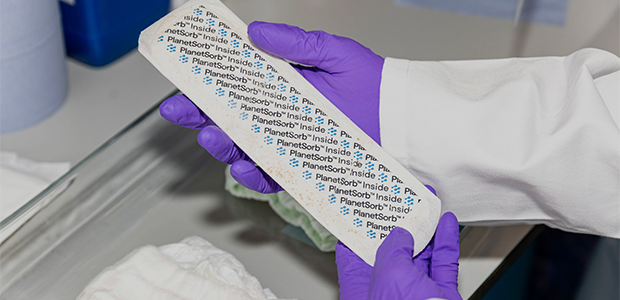
Planet Smart, a London-based biomaterials startup, has raised $1 million in pre-seed funding to launch its first product. The company is developing PlanetSorb, a naturally biodegradable superabsorbent polymer (SAP) designed to replace the fossil-based plastics used inside nappies and sanitary products.

UNiDAYS has teamed up with Student Venture and Canopy Community, to launch a nationwide Student Startup Accelerator programme, designed to discover and accelerate the next generation of entrepreneurs.

New research from Avilio has found that 36% of respondents experienced burnout in the last year which – when applied to the UK working population – means that 11.9 million UK workers would fall into this category.