Soaring fuel and energy costs have seen average household energy bills in the UK forecasted to rise to more than £3,000 this winter, this is also going to have a significant impact on offices too. While rocketing energy costs are certainly a cause for concern for many businesses, there are some reliable ways to increase the energy efficiency of your office and reduce outgoings.
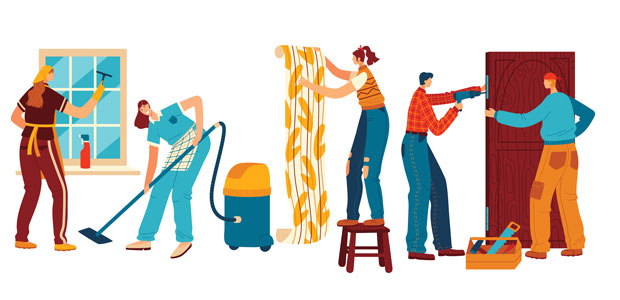
Since handymen and labourers returned to work following national lockdowns, competition is back to pre-pandemic levels. The rising cost of living, altered working schedules and the new remote culture have led to an increased reliance on contractors. More so than ever before, it’s essential that your jack-of-all-trades company name is well-known, and that your services stand out from the crowd, but how can you get the best results from your handyman business?
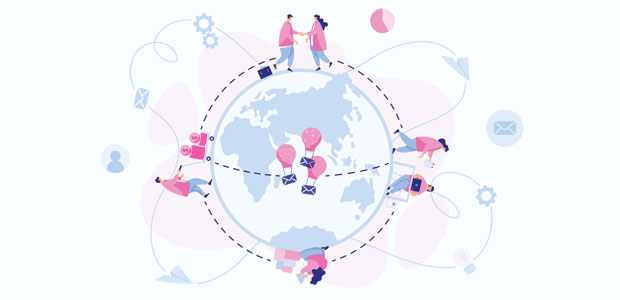
Driven by the goods and services that address an increasing expectation, the anywhere economy is built upon solid foundations: anything, anytime, anywhere, all enabled by the Internet. After the traditional economy faltered during the pandemic, the anywhere economy surged. Companies like Zoom, Netflix and Amazon became providers of essential services for work, life and sanity.

For the past 10 years, the Écho Touristique has been rewarding the companies and startups that create the most innovative concepts.
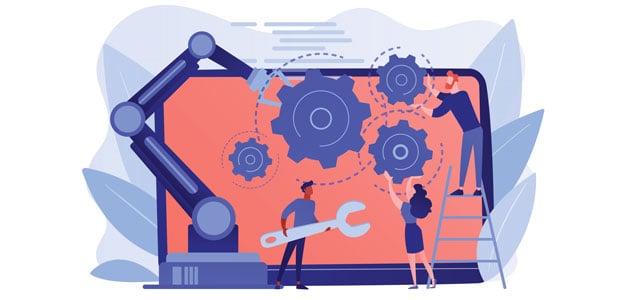
The UK’s tech sector has become one of the standout industries of recent years. Despite the harsh impact of the global pandemic, which has slowed down the performance of most sectors, the UK tech industry is one that has remained resilient.
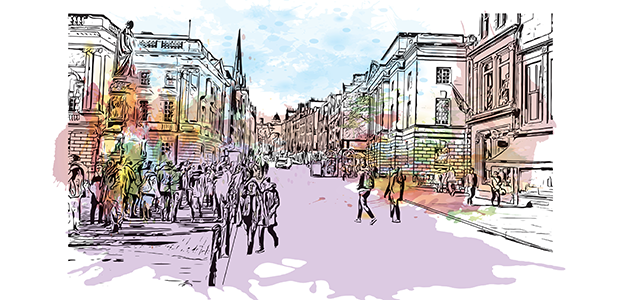
This issue we’re delving into Scotland’s astonishingly beautiful capital city, Edinburgh. Well known for its dramatic cityscape, historical charm, stunning architecture and infamous Edinburgh Fringe Festival, Edinburgh is also an up-and-coming startup hotspot. Let’s delve in as to why the city is predicted to become the UK’s next technology hub.
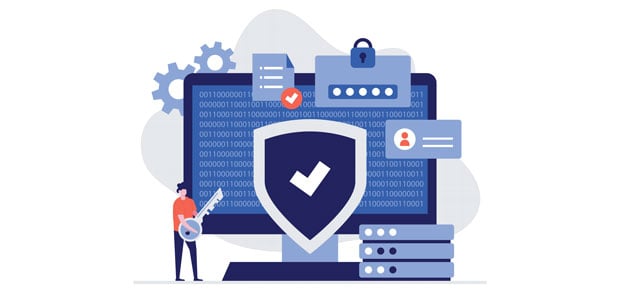
Workplaces across the globe have borne witness to rapid shifts towards digitalisation. New and innovative emerging tech has facilitated remote working, increased productivity, and changed the way in which businesses operate.

As a Branding Advisor for Virgin Startup, I often get questions from the business community. A recent question that came up was about team building and company culture.

Storage is an essential factor in this age of digital technology. Many businesses have adopted the trend of storing data in a storage area network. This dedicated network comprising several storage devices allows multiple computers and servers to access shared storage. As a result, organisations can manage storage from a central place and apply data protection, security, and disaster recovery standards.
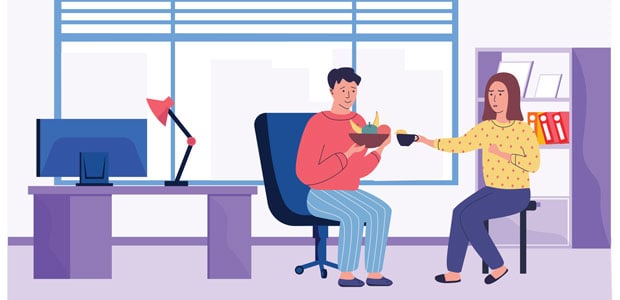
Companies are beginning to realise how important good food is in attracting talent and creating healthy workplaces that look after their employees. A recent study revealed two-thirds of respondents believe an organisation which prioritises their health and wellbeing would make them more likely to stay in their current role, so healthy food and beverage provisions should not be overlooked.

The average entrepreneur considers quitting 15 times while setting up a new business, but new research suggests the key to success is finding a tribe to cheer you on.

Stemming from the continued effects of the COVID-19 pandemic, the climate crisis, and now the cost of living crisis, the Great Resignation is still a critical issue across numerous industries. Led principally by Generations Y and Z, employees have left their posts in droves for various reasons, from personal to political.

Iconic British menswear brand, T.M. Lewin, is ‘Back to Business’ following its official online relaunch which was announced just six weeks after the heritage brand secured a rescue deal with T.M. Lewin Shirtmaker Limited.

The past two years have been like no other. The business has been turned on its head and workers have had to rethink the accepted norms multiple times, through multiple lockdowns. The sudden shift to remote working interrupted childcare, and widespread job losses in certain industries have led many workers to rethink their lives and careers. This has contributed to the much talked about great resignation. In just one month last year, almost 3% of the workforce left their jobs, the highest number on record. In the UK, the situation was just as stark with the number of open jobs surpassing one million for the first time.

An image of a plane making an attempt to take off just a few yards before the mountain edge has become a common representation of startups managing their financial runway to avoid going bust.
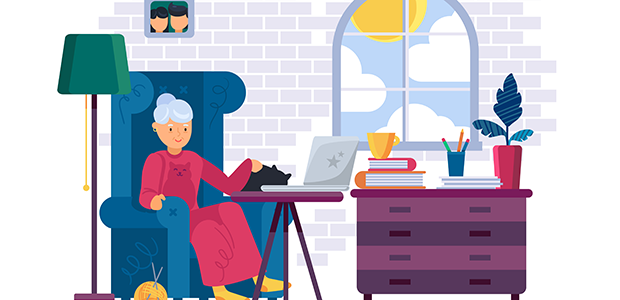
Twilio, the customer engagement platform, has released research that uncovers how older consumers are being left behind when businesses digitise their customer facing operations.

The Covid-19 pandemic proved to be a turning point for the corporate work culture, as companies reevaluated their practices and found new ways to respond to the evolving needs of the workplace. Amid lockdowns and social distancing, many employers rose to the occasion, strengthening their communications and relationships with staff while reimagining the workplace to accommodate hybrid work and a more supportive and encouraging environment.
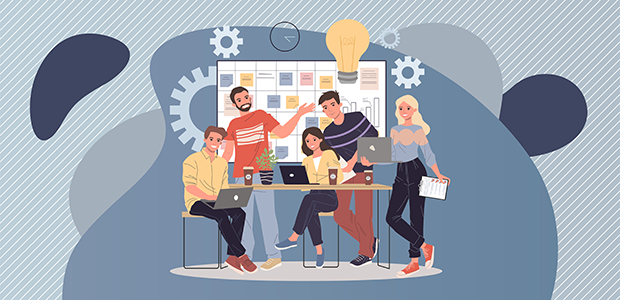
Working with the right partners can make the difference between success and failure in almost any scenario, but this is even more true when running an early-stage business. As a founder, it is simply not possible to know everything that needs to be done and the best way to do it.

ST Engineering and Skyports have been working closely on a range of projects since 2021, including reservoir inspection operations and beyond visual line of sight ship-to-shore parcel deliveries.

Classrooms have moved beyond the clunky desktop computers and square televisions wheeled out on a trolley that were once the norm for students across the UK. The new standard is for classrooms to be tech-infused with tablets, interactive online courses and sometimes robots.