
One of the biggest challenges that businesses are experiencing today is recruitment. Described as The Great Resignation, the UK has seen higher-than-usual numbers of employees voluntarily leaving their jobs since the pandemic, which is having a huge impact on businesses finding and retaining talent.

As TikTik consumption is increasing, we spoke to someone with expertise, Cat Anderson, Head of Marketing EMEA at Sprout Social on why B2B startups should bother with TikTok, and how entrepreneurs can work on growing their social presence.

Once starting up, the competition can be fierce, and it can be difficult standing out from the crowd. You always need to be ahead of the game and prepare for the unexpected.
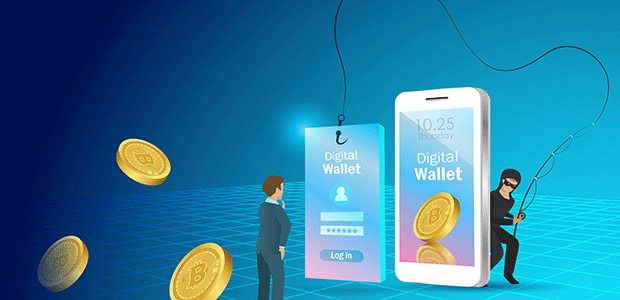
iDenfy, the global remote identity verification and fraud prevention company, joined forces with Peccala, the cryptocurrency investment platform that provides tokenized crypto Robo-investor services

bloss, the family life-focused technology platform, launches its much-anticipated app.

Harvard Business School conducted a recent survey where they discovered 70% of people believe it is important for businesses to make a positive impact. They also found 25% of consumers take a zero-tolerance stance on companies that employ questionable ethical practices.

It’s been 50 years since mankind last set foot on the Moon. During this time, human space exploration has focused on manned low-Earth orbit missions and unmanned exploration. The space industry is worth £240bn worldwide with the UK accounting for £16bn of that.

From wearable devices to smart feeders and bowls, we all enjoy spending money on our pets. The PetTech market is set to hit $20bn by 2028, according to research. The market is being driven by the increasing introduction of AI-enabled solutions that enhance the analytics capabilities of products.

The customer is always right, and one of the most important factors when it comes to business decisions. So how do you keep the customer happy?

A survey amongst 1,024 UK adults in full-time employment has explored the connection between mental health and financial wellbeing.
Rishi Sunak was plauded by most for responding so quickly to support small businesses as COVID hit. But what a shame that the years of campaigning didn’t trigger such a revolutionary business rates consultation before an unprecedented global pandemic hit the already underperforming high street retail and shopping center sector, or Brexit, the war in Ukraine, spiralling fuel prices and a cost of living crisis.
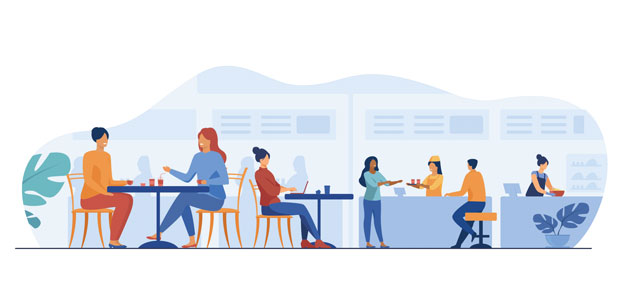
Peckwater Brands runs a range of virtual restaurant brands. These are virtual restaurants that exist solely on third-party delivery platforms, like Deliveroo or Uber Eats, without their own brick-and-mortar location.
A new economic landscape is quickly materialising as consumers become more discerning with spending, and the pressure is on startups to work harder to generate love for their brand across many different surfaces.

AWS is launching a one-of-its-kind programme that gives more women founders the support they need to accelerate their businesses.

If you are in the process of starting a new small business, you will be well aware of the various challenges that you may have to face in the near future. In Britain alone, you will be competing with another 5.5 million small businesses which means that you will have to pull out all of the stops in order to make enough revenue to stay afloat.
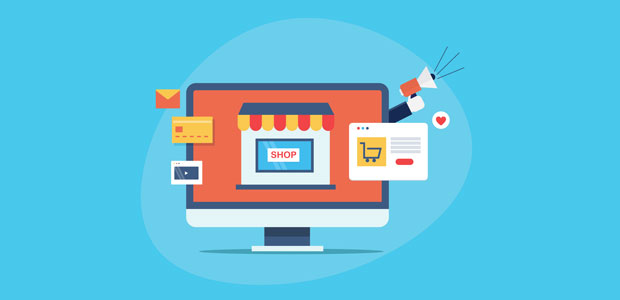
eCommerce is a growing trend, and the demand for eCommerce platforms will rise over the next few years. The good news is that several different eCommerce platforms are available to help you get started. The bad news? Building an online store isn’t easy—nor should it be!

LiveEO, provider of satellite analytics, has secured €19m in funding, in what is one of the largest investments to date in Earth Observation in Europe.

In the face of rising care backlogs and staffing shortages, healthcare services urgently need innovative solutions to deliver sustainable transformation and support. As an Accident and Emergency doctor, I witnessed first-hand how poorly implemented, inflexible tech put additional pressure on clinicians and affected the ability to provide the best patient care.

Our brain is constantly evolving. According to Zimmer, the brain has up to 100 billion neurons which create 100 trillion neural connections, making our brain into a highly complex thinking machine. We can take seemingly random pieces of information and connect them to completely unrelated subjects and create something new, which is why as humans we are incredibly creative and innovative. It seems like a paradox then, as despite this, we can find it so difficult to break negative habits that may even be detrimental to us.
FuturePlus, the online sustainability measurement platform, has announced an exciting new sustainability partnership with electric vehicle (EV) technology startup Diode – which will make switching to EV smarter, easier and more affordable.