
A fund of €700,000 has been secured to trial next-generation methane-reducing technologies on 10 additional dairy farms in West Cork, expanding the reach of Carbery’s Farm Zero C project – a research and demonstration initiative aiming to create a blueprint for an economically viable, sustainable dairy farming model.

LADbible Co-Founder Arian Kalantari is launching Plus1 Assembly, a global innovation agency designed for brands that want to lead culture, not follow it.

Future Labs Live USA returns to Philadelphia this October, bringing together industry leaders, innovators, and disruptors from across the United States and Europe for two transformative days of insight, collaboration, and discovery. As the laboratory industry continues to experience rapid development, this event serves as a critical platform for those shaping the future of lab environments across sectors.

Former Everton and Norwich player Steven Naismith has invested a six-figure sum in sportstech platform ScribePro. The ex-footballer is backing the medical app and online portal that logs real-time interactions between athletes and clinicians.
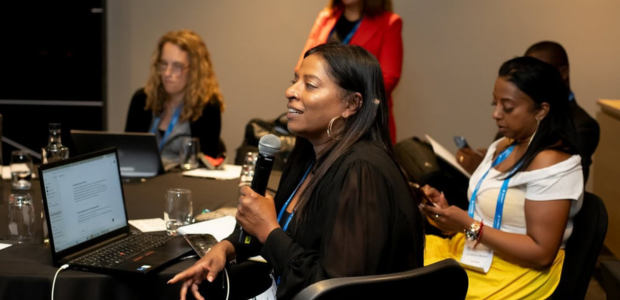
The upcoming Carbon Markets Africa Summit (CMAS) programme features the continent’s entire carbon markets value chain in what is a compelling combination of successful early carbon market movers, climate-finance-ready projects, regulatory bodies as well as global institutional development organisations and investors. The event is taking place in Johannesburg from 22 to 23 October, with pre-conference sessions on 21 October.

Remote hiring is becoming increasingly popular. 82.9% of tech firms utilise it to optimise costs, tap into a global talent pool, and scale their operations efficiently. Startups use this strategy to remain agile, innovate fast, and compete in volatile markets.

XPANCEO, a deeptech startup that is focused on redefining computing through smart contact lenses, has confirmed the close of its $250 million Series A funding round, pushing its valuation to $1.35 billion and marking its entry into unicorn territory.
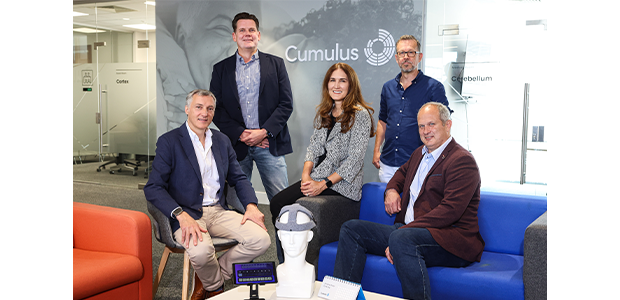
Belfast-based digital health technology company Cumulus Neuroscience has successfully closed a £3.25 million equity funding round that will be used to scale up its commercial operations.

Mark Kearsley, partner at DSG Chartered Accountants discusses what a Virtual Finance Office (VFO) is and how businesses stand to benefit the most from this new finance model.

In the fast-paced, ever-changing world of startups, time is the one resource founders can’t raise, borrow, or buy more of. Every founder is familiar with the relentless pressure of trying to balance it all: leading the company’s vision, pitching to investors, securing funding, managing growing teams, building products, and scaling operations.

If you are a manager or startup founder reading this – and you probably are, based on the title of the magazine – then you are probably already overloaded with ambiguous, random advice on how to build culture. Or you’re inundated by LinkedIn posts telling you how you’re a terrible person if you don’t let your staff work from Bali year-round on a four-day work week. Or you’ve read a couple of Walter Isaacson biographies and now you’re thinking the trick is to act like a dictator.

Applications are now open for Purina Europe’s BetterwithPets Prize (BWPP). Nestlé Purina Petcare Europe is calling for organisations and social entrepreneurs who help improve the health and wellbeing of people in vulnerable situations to apply for the prize.

AI-powered lending technology platform Abound has more than doubled revenue in a year and delivered a twenty-five-fold increase in profit.

upLYFT, a startup in the smart technology sector, is excited to announce the successful completion of a £500,000 investment through the Deepbridge Capital UK Innovation Seed Fund, alongside TIME Interconnect (HK) Limited.

The AI startup ecosystem is growing, in part helped by the technology maturing and the models improving, contributing to an explosion in funding.

When it’s time to scale, many businesses grind to a halt – not because of market conditions, but because their internal systems aren’t built for growth. These businesses often have the demand, the talent, and the ambition, but their outdated financial systems hold them back. This is the scale-up trap: when growing businesses stall not for lack of opportunity, but because they’re not operationally ready.

New research from Boostworks, a provider of employee reward, recognition, and benefits solutions, has revealed that Generation Z workers are facing significant financial strain, and they are increasingly turning to their employers for practical support.

Following the success of standout alumni like Impli and Hera Biotech, Women’s Health Week Europe doubles down on innovation with two targeted startup showcases.

You cannot operate in organised chaos while expecting success. Strong foundations distinguish those geared for success from those that are not. Most companies follow a typical data analytics journey, and we do not use the term journey lightly.

Small and medium sized companies are the backbone of the global economy. In the UK alone, these businesses account for three-fifths of employment and almost half of turnover in the UK private sector. But their influence is not limited to UK borders. They are internationally ambitious, often purchasing from global suppliers, and sending goods and services to buyers overseas. Their growth, and that of the economy, relies upon favourable and fair market conditions – something which has been found lacking in recent months.