HR
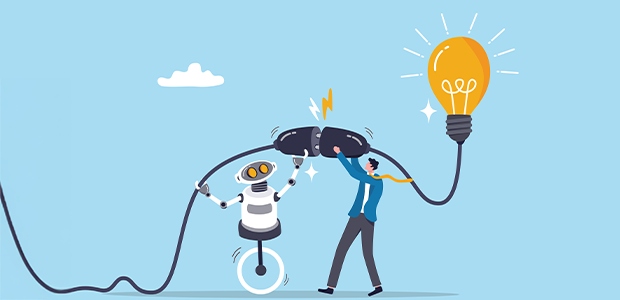
AI is increasingly becoming the workplace’s first line of support, with a third (33%) of Gen Z professionals now using AI tools for work-related questions before asking their manager or colleagues, according to new findings from global talent solutions partner Robert Walters.
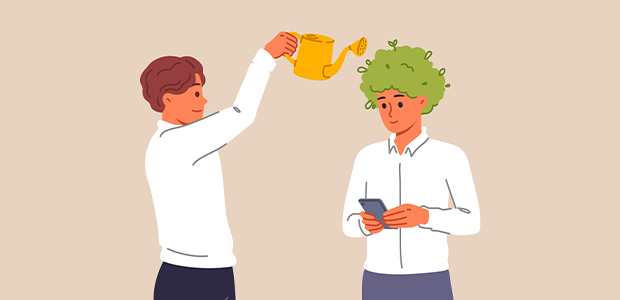
Recent research – conducted by social research agency Hark – has revealed a troubling trend: one in 10 children report feeling a complete lack of confidence about their ability to build a future career by the time they reach Year 9. Meanwhile, employers are witnessing a growing number of Gen Z professionals struggling to adapt in the workplace, grappling with confidence issues, uncertainty, and a lack of direction that can ultimately derail early careers.
Another season, another HR buzzword, welcome to the age of ‘Job Hugging’. Between mass redundancies, a tough job market, and low pay growth, employee behaviour has fundamentally shifted away from the apathy of quiet quitting and into fear mode. Today’s workforce is holding tight to their current roles out of a desire for stability amid uncertainty.
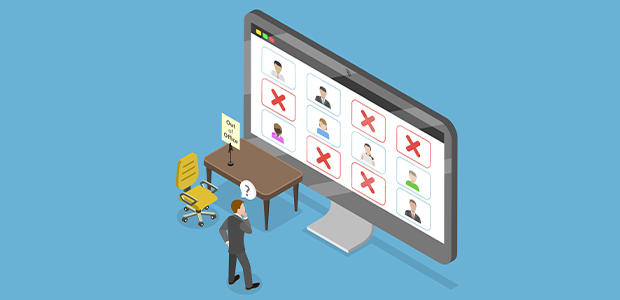
UK employees were off sick for nearly two full working weeks (9.4 days) on average in the last 12 months. This is a significant jump compared to pre-pandemic levels (5.8 days), and 7.8 days in 2023 when this survey was last carried out.
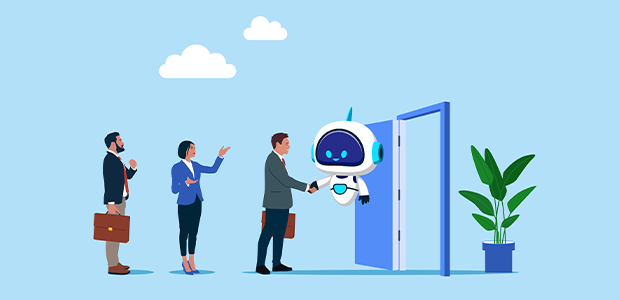
Microsoft laid off 9,000 workers, citing artificial intelligence (AI) developments. Goldman Sachs announced it is deploying digital co-workers to enhance human performance and drive productivity. One story grabs headlines. The other reveals the future.
New research from HiBob, the company behind Bob, the HR platform transforming how organisations operate in the modern world of work, reveals how one resignation at a small or medium sized business (SMB) can destabilise an entire company.

Over the past few years, it’s been encouraging to see organisations investing more heavily than ever in mental health support. Employee Assistance Programmes (EAPs), wellbeing apps, occupational health, and private medical insurance are becoming the norm, not the exception. And yet, despite all this provision, we still see high rates of absenteeism, presenteeism, and a troubling number of employees falling through the cracks.

Every so often, a new trend takes over social media. Recently, TikTok has been filled with people talking about ‘fibremaxxing’, a health craze where people dramatically increase their fibre intake. The idea comes from a good place – fibre is important for health – but too much can do more harm than good.
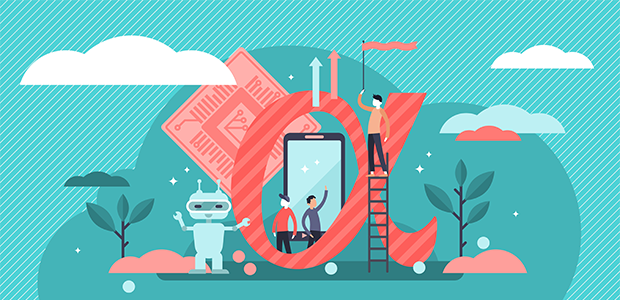
Born from 2010 onwards, Generation Alpha is the first to be raised entirely in the 21st century. They’ve never known a world without smartphones, AI, or social media. They understood ‘Skip Ad’ before they could read, were using global gaming platforms before they became teenagers, and they’ll begin entering the workforce from next year.
If you run or manage a small business, chances are you didn’t get into it for the admin.
While the UK’s skills shortages have persisted during the last few years, recent data has revealed a promising improvement. Skills shortage vacancies fell from 36% in 2022, to 27% in 2024, according to the Department for Education’s latest Employer Skills Survey.
The CIPD reports competition for well-qualified talent increased over the past year, with over half (56%) of organisations experienced retention challenges. With the battle for talent heating up, small and medium businesses (SMBs) find themselves competing for the same talent as big enterprises – turning to their playbooks to give themselves an edge.

Entry-level jobs are slowly whittling away, as recent grads struggle to get hired in a decreasing number of corporate positions. AI has begun its workforce domination, and young professionals are going to have to adapt to a new way of working – and thinking – in order to stand out.
Today’s world of work has evolved well beyond the days when permanent, full-time employment was the archetype of workforce planning. The focus has shifted from maintaining fixed employment structures to building flexible systems that can readily absorb skills and talent on demand, unbound by geographical boundaries.
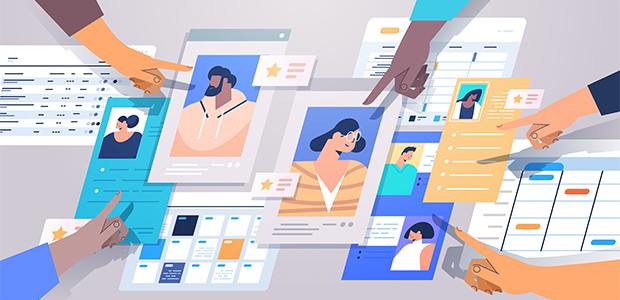
In the early days of a startup, hiring feels like building the plane mid-flight. You need people, fast. But not just any people.

Gallup’s State of the Global Workplace Report 2025 reveals that employee engagement has fallen once again, for only the second time in the past 12 years. An engaged and thriving workforce starts at the top and, as a leader, your actions can set the tone for your entire team. In a startup environment, where teams may be more founder-led, the actions, habits and processes of this leader are even more important.
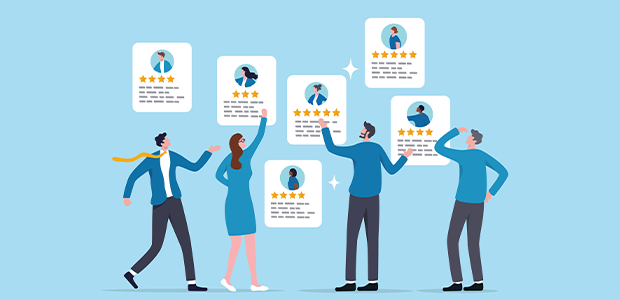
You need to bring in diverse talent from the outset, and not in the way that you might think.
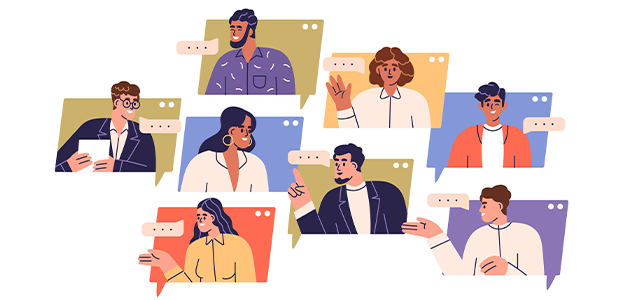
Despite the ongoing return to office movement, hybrid and remote roles are still in high demand. In fact, our data at Flexa shows that demand for hybrid roles has increased by 50% since the start of the year. This means that startups offering these types of flexible working arrangements will have a competitive edge when it comes to attracting talent.
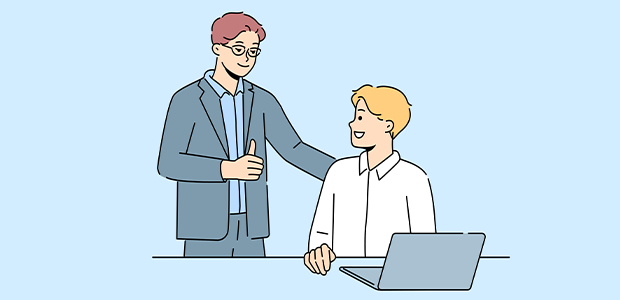
The 24th of July marked International Safe Places to Work Day, which promotes the importance of psychological safety in the workplace. This means employees feel wholly free to be themselves, expressing their ideas and opinions without fear of humiliation or retribution.
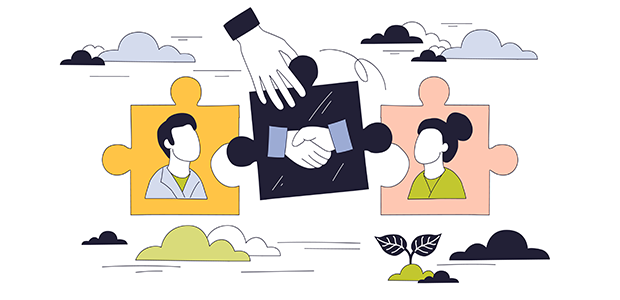
Have you got a ‘work wife or husband’? These amusing terms have appeared across platforms like TikTok alongside amusing videos about how we have replica ‘families’ at work. Here, mental health expert Noel McDermott looks at how they in fact point to a deep truth and may explain many of the dynamics at work that can baffle, frustrate, annoy us or in the case of these videos make us laugh in identification.