HR

The traditional CV is losing its grip on hiring decisions, with just four in 10 employers now rating them among the most reliable indicators of talent in an age of AI-generated applications, according to a new global study from Willo.

A fundamental shift is reshaping the startup landscape. As venture capital tightens and artificial intelligence accelerates innovation cycles, a new model for growth has emerged, one where success is defined not by the size of a company’s payroll, but by its agility. Startups are proving that lean, globally distributed teams can outperform larger, traditional organisations by leveraging specialised talent on demand. This move toward talent fluidity is no longer a trend; it is the core operating system for the next generation of market leaders.

A few weeks ago, I was speaking at a conference about Gen Z (we discussed how to hire them). At the end of the session, a woman raised her hand and asked: “I agree with you about Gen Z. But we’re far away from them yet. So, can you help me, how do I convince my boss that it is okay to start hiring MILLENNIALS?”
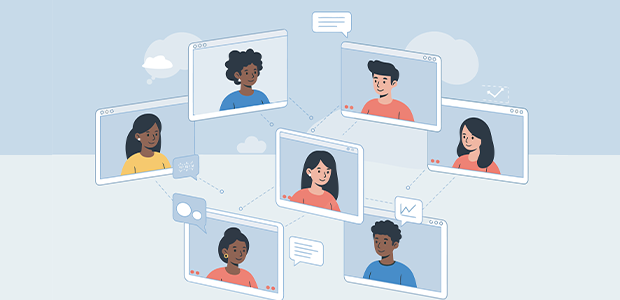
As startups scale remotely, the real challenge isn’t productivity. Often, it’s trust, cohesion, and clarity across distance. Leading a team you may never meet, spread across time zones and cultures, demands more than digital tools. It requires founders to intentionally design cultural practices and shared norms that sustain collaboration over time.

As International Stress Awareness Week takes place, new research from global hiring platform Indeed highlights a significant gap between UK employees’ aspirations for workplace happiness and their current experiences of work wellbeing.

Small business sales and jobs are still growing but losing momentum following a reasonable start to the year, according to the latest Xero Small Business Insights (XSBI) data from Xero, the global small business platform.

Every founder wants their team to feel valued. When people know their work matters, they bring more energy, loyalty, and creativity, but creating a culture of appreciation isn’t about handing out gift cards or ordering Friday pizzas. It needs to be intentional, consistent and led by example.

New research paints a stark picture: UK businesses are now facing a sick leave crisis that costs upwards of £20,000 per worker for long-term absences. The root causes are clear burnout, stress, and a growing sense of disconnection among employees, especially pronounced in frontline managers and younger professionals. This is not just about days lost to illness; it is a crisis of workplace wellbeing that threatens organisational productivity, innovation, and morale.

Being a leader is not just about status or influence. It’s about responsibility, strategic thinking, supporting others, and the ability to guide a team toward a common goal. However, even the strongest leaders sometimes reach a point where leading stops bringing satisfaction and starts to drain them.

Financial wellbeing is now the top priority for employees, with new data showing stability, security, and fair rewards matter more than ever.
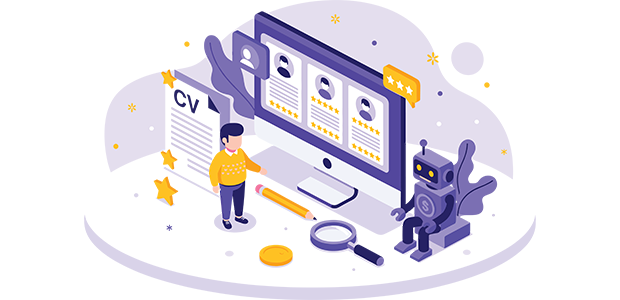
The hiring landscape is about to experience profound change. New research warns that by 2030, as many as one in ten CVs could be entirely AI-generated. While AI offers promising efficiencies for candidates to craft their applications, this shift brings significant implications for how employers attract, assess, and ultimately hire top talent.

Workplace mentoring and coaching are now essential drivers of business performance, staff retention, and employee wellbeing in the UK, according to a major new report from the Association of Business Mentors (ABM). The findings show that over two-thirds of businesses have seen a positive impact on overall business performance from their mentoring and coaching programmes, and a further 60% attributed an improvement in employee wellbeing to their programmes.

Nearly all (95%) UK business leaders say they are committed to building a culture of learning, according to Pluralsight’s 2025 Tech Skills Report, but the research reveals a stark gap between this intention and the reality for learners.

Experience shows that when we protect business purpose, performance follows. So, how do you hold fast to your values while pushing for higher returns? It starts by refusing to treat growth and values separately.

Despite more conversations being held publicly about the impact of menopause and the requirements for support, many women still feel alone in their struggles, especially the physical and mental health effects on their work and career.

We live and work in unprecedented times. As a founder of a high-growth business that specialises in work team transformation, I see first-hand how this impacts the organisations and teams that we partner with.
There is a growing disconnect between employee expectations and what organisations are delivering, putting pressure on HR leaders to rethink hiring, leadership development, and retention strategies. Research from Personio, Europe’s leading HR software provider for small and mid-sized businesses, reveals that more than half (54%) of employees in the UK are considering a job change within the next year as the gap between expectation and reality contributes to attrition.

Small businesses are grappling with significant hurdles when it comes to hiring, new data has revealed.

There is a growing disconnect between employee expectations and what organisations are delivering, putting pressure on HR leaders to rethink hiring, leadership development, and retention strategies.

As the seasons change, many Brits will be experiencing colds, coughs, and flus over the next few weeks. Working while sick, otherwise known as presenteeism, costs employers around £24 billion annually, according to Deloitte, due to reduced productivity, prolonged illnesses and leaving employees to work through a reduced capacity.