HR

In the wake of the global COVID-19 pandemic, there is no doubt that working life certainly looks a lot different. Completely reshaping our formally deep-rooted acceptance of the 9-5 office-based working day; a mixture of at-home and office work, has gained significant traction.

As an owner and director of a small business, it’s always important to stay on top of your company administration to comply with your legal obligations and keep your house in order. One very important aspect of this is your Shareholder Register.

A recent job satisfaction survey found that two-thirds of UK professionals have quiet quit their jobs. First coined by disgruntled Gen Z employees, quiet quitting, or the silent resignation, is used to describe employees who are disengaged from work.

Employers must undertake right to work (RtW) checks when hiring employees. These checks are relatively simple to follow, however a failure to undertake them correctly risks employing an individual with no legal right to undertake the work.

A reactive approach to offering wellbeing support is still the most common option among employers, according to research from Towergate Health & Protection. The figures show that 42% of companies still opt for directing employees to support when requested, which can fall short when it comes to encouraging engagement or effective utilisation.

Author and keynote speaker, Kim Campbell, shares her key learnings from her time in the armed forces and how this can apply to the role of a business leader.

It has recently been National Payroll Week in the US, a week which celebrates America’s employees and payroll professionals across the country.

Recently, remote working has been a central topic of office debates as employers continue to grapple with new ways of working and how to get the best from their staff with many companies, considering whether to call employees back into the office or to keep their remote working policies intact.

As World Suicide Prevention Day approaches, GRiD reminds employers that it is imperative to communicate support for mental health clearly and regularly, as employees need to be reminded that expert help is available should they need it.

For decades, when businesses thought about employee benefits and perks, they would invest in generic options like fruit bowls, gym memberships and healthcare. Finally, however, we are seeing financial wellbeing take centre stage.
Towergate Health & Protection has released details from one of its employee assistance programme (EAP) providers, which show an increasing demand for information and advice, not just mental health counselling, when it comes to supporting overall employee health and wellbeing.

Law firm, Irwin Mitchell, has recently conducted a nationally representative study into the ‘trend’ of quiet firing.

In increasingly fractured workplaces, where remote working is now an employee expectation, new research by 438 Marketing, which specialises in cultural transformation within businesses, has found that many employers are failing to engage with their internal audiences, within and beyond the day job, where poor comms and outdated use of technology are commonplace.
Demand for workers is higher than ever before − one in three employers struggled with staff shortages at the end of 2022. As a result, businesses seeking to increase retention and boost engagement levels need to ensure they are delivering flexible schedules that meet the needs of all employees.

According to new research from GRiD, the industry body for the group risk sector, affordability – competing with budget for other business needs – was cited as the biggest challenge in supporting the health and wellbeing of staff, by 30% of employers. However, 98% of those that measure the impact to the business in supporting staff say it is positive.

Wellbeing issues severely or significantly compromise the ability to function at work for over a quarter (26.4%) of overseas employees with wellbeing concerns, according to data released today by Towergate Health & Protection.

Let’s face it, so much of our day-to-day lives revolves around what’s happening on social media. Particularly when it comes to cultural themes and hot topics, which typically blossom from some sort of online trend.
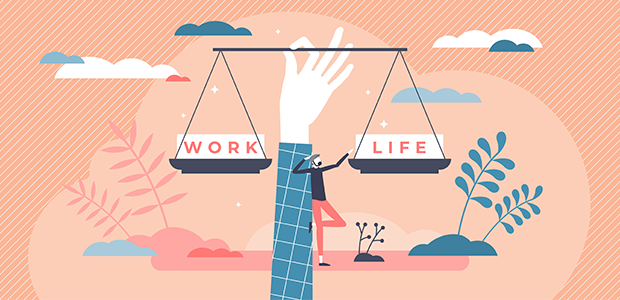
Global survey results from IE University, #WorkAnywhere and Remote have revealed office workers are experiencing the highest levels of burnout and lowest levels of happiness and job satisfaction. This is when compared to remote and hybrid workers – indicating that the office environment isn’t the effective separator between life and work that many believe it to be.

Amid the marked shift to remote and hybrid working models, many employers may have cause to consider whether their current establishment remains fit for purpose and offers value for money. But, while it can be tempting to up sticks and relocate, there is often also a compelling business case for staying put and refurbishing. For employers rethinking their workplace approach, Adrian Gleeson, strategy directory at Rhino Interiors Group, explores the key considerations to determine whether improving or moving is right for you.

As Gen Z continues to enter the workforce and assume positions of influence, organisations worldwide are experiencing a shift in common working styles. By 2025, Gen Z is projected to make up 27% of the workforce. The generation born between the late 1990s and early 2010s is bringing fresh perspectives to the workplace. Is this reshaping the future of work? RADA Business shares insights into Gen Z leadership styles.