HR

HR leaders and wellbeing professionals should implement practical strategies to combat summer burnout and alleviate anxieties about taking paid time off (PTO) throughout the year. This guidance comes from Sonder, an early intervention platform focused on employee health, safety, and wellbeing, which aims to shift companies from a reactive to a proactive and preventative approach in supporting their staff.
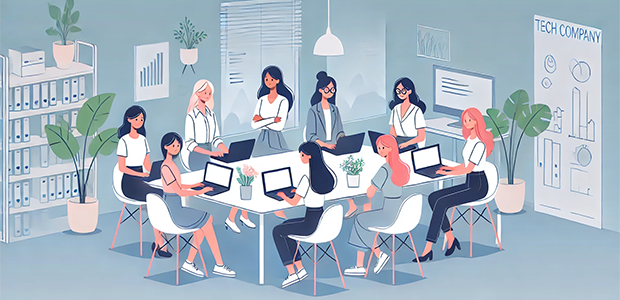
Gender diversity within teams is crucial for every company, but with recent data showing that tech startups, in particular, have a poor track record of attracting and retaining female talent, what more can be done to support and retain female engineers?

The flexible working landscape continues to evolve and shift here in the UK. With that comes fresh opportunities, but also challenges for startups and SMEs, says Firmin Zocchetto, CEO at PayFit.
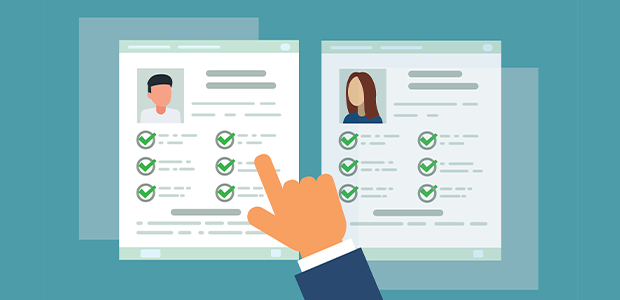
New research has uncovered that more than one-third of younger workers believe they have encountered discrimination during the hiring process.

A study by Towergate Health & Protection revealed that 57% of employers identified mental health as their top concern for employees in the era of hybrid working.

A recent survey by GRiD, the industry body for the group risk sector, revealed that 81% of employers assess how much employees value their benefits. Despite this, there is a stark disparity in perceptions: two-thirds (66%) of employers believe their staff highly appreciate these benefits, whereas only 21% of employees share this sentiment.

As companies worldwide adapt to the demands of remote work and evolving business landscapes, Lydia Kothmeier, VP of Operations at Storyblok, offers a unique perspective on achieving operational excellence.

Cloud accounting software facilitates online accounting and securely stores information in the Cloud, making it accessible to designated individuals anywhere, at any time.

The past few years have been relentless in their challenges for business owners.

The modern workforce is a unique blend of four different generations. In this article, I will provide strategies that can help you navigate the needs and perspectives of each generation, to create a supportive and open workplace culture.

New research from NCG reveals that nearly two-thirds of senior decision-makers in UK businesses plan to increase in-office attendance for their employees. This finding comes from an independent survey of 1,002 senior leaders commissioned by the digital infrastructure experts.

A limited company is a separate entity in law and as a director, you act on behalf of the company in all respects.

We all know that the work landscape has changed dramatically in recent years. This is no more apparent than in Techspace’s latest Scaleup Culture Report, which highlights a significant shift in tech workers’ preferences for in-office workdays. And much to the chagrin of every late-night talk show host’s punchline, it would appear that Monday in the office is back!
In recent years, there has been an undeniable shift in societal awareness towards mental health, especially within the workplace.

The legal infrastructure surrounding Human Resources (HR) is one of the most important aspects, yet many entrepreneurs overlook this in the heat of starting up a business.
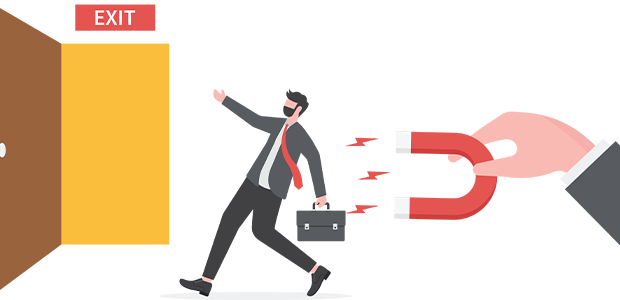
Research by Octopus Money suggested that UK businesses faced a retention crisis, with leadership largely unaware of the scale of the problem. Despite nearly half (46%) of employees revealing they planned to look for a new job this year, 60% of the C-suite thought their workplace was prepared to meet the needs of the future workforce.

When you measure the positive impact of health and wellbeing using data analytics, organisations are in a much stronger position to direct initiatives appropriately to optimise return on investment. By effectively measuring and monitoring progress, you can increase that return further.

Employers are ramping up health and wellbeing support for their employees, according to the latest research from Towergate Health & Protection. Nearly three-quarters (74%) of employers say they now offer more support than they did two years ago, with 42% offering “much more” support. This positive move can help alleviate many problems faced by employees.

There’s a formidable team of people at Valda Energy in Bicester who recognise that a thriving workforce is the cornerstone of success, and in a fast-paced world where the lines between personal and professional lives are increasingly blurred, fostering a supportive work environment is more critical than ever.

The number of people satisfied with their work/life balance has declined over the last two years, despite the increase in flexible and hybrid working, a new survey has found.