HR
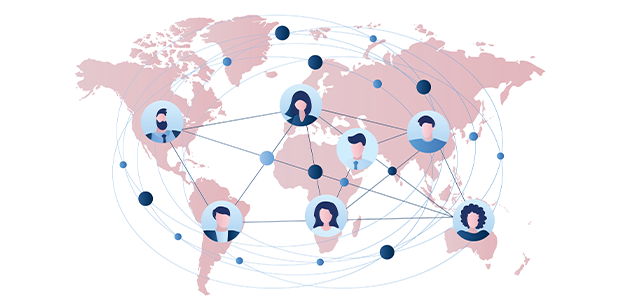
57% of Companies Risk Inadequate Support by Offering Identical Benefits to Overseas and UK Employees
Towergate Health & Protection’s latest study unveils that 57% of businesses with international staff are exposing themselves to potential challenges by extending the same health and wellbeing benefits to employees overseas as they do to those in the UK.

Economic instability, marked by hiring freezes and cost-cutting measures, has led to a downturn in the job market, with recruitment analysts noting a significant and ongoing drop in permanent job placements.

On the 6th April, the work landscape in the UK will be undergoing a big change. The date marks the introduction of the Flexible Working Bill.

A recent international study by Sage has found that HR professionals are embracing AI as a solution to reduce administrative burdens, tackle time-intensive tasks, and alleviate burnout.
A new study indicates that businesses should prepare for an influx of flexible working requests as over half (55%) of employees plan to apply for new flexible working arrangements following the introduction of the Flexible Working Bill in the UK this weekend.

Employment Hero, the people management platform, is forecasting a significant rise in parents opting for early work starts following the introduction of new Flexible Working regulations.

Over three-quarters (76%) of employers now evaluate the effects of their health and wellbeing support for staff, a study by GRiD, the group risk sector’s industry body, has found.

Towergate Health & Protection’s recent study indicates a significant 91% of companies maintain a hybrid workforce. The findings suggest a mere 9% of businesses currently operate without any hybrid employees. On average, 39% of employees engage in hybrid working, with 27% of companies reporting over half their staff working in this mode.

New research conducted by the women’s health startup frendo reveals that 25% of women employed in UK offices have felt shamed or pressured into returning early from health-related leave.

According to new data from Indeed, 74% of UK businesses report that hiring has become more challenging over the past five years.

UK SMBs witnessed a 37% increase in daily cybersecurity warnings over the last year, according to a study by cybersecurity provider, Censornet.
The UK is facing an unprecedented skills shortage, with the latest government statistics revealing that 9.25 million people aged 16-64 are currently out of the workforce. As a result, employers have a dwindling pool of talent to select from to plug skills gaps.

The first few months of every year are a popular time for top talent to job hunt and for businesses to recruit. While we’re coming to the end of the hiring flurry for 2024, talent shortages and skills gaps continue to persist, and businesses in all industries need a competitive edge to succeed. According to the global mobility platform Localyze, businesses must look to the global talent pool to win the war for the best employees.

A recent study by YuLife, a technology-focused insurance firm dedicated to inspiring life, has revealed a concerning trend in the UK’s healthcare standards. This research, conducted in partnership with YouGov, indicates a widespread perception of decline, with approximately 73% of UK adults believing healthcare standards have deteriorated throughout their lifetimes, including 55% who feel the decline has been significant. Moreover, 59% of adults in the UK perceive a worsening in healthcare standards over just the past year.

One in five (21%) employees are choosing to work from home more often to avoid annoying behaviour of co-workers, with a quarter (25%) of senior managers abandoning their offices to dodge irritating staff.

Hywel Carver, CEO of Skiller Whale, argues that you can’t hire your way out of this problem: companies need to look to at live team coaching to get the outcomes they need.

Building trust within a workplace is of utmost importance, and managers and business owners need to know how to build trust within their workplace and amongst teams.

If you’re leading a small business or team, time is your most precious commodity.

The theme of this year’s International Women’s Day is to ‘inspire inclusion’, and Towergate Health & Protection is reminding employers of the importance of providing female employees with equal, adequate, and appropriate support.

This Employee Appreciation Day, Capital on Tap has given some top tips for how business owners can ensure that your employees feel appreciated.